
Українською читайте тут.
The NGO “Detector Media” has presented the results of its annual study on media consumption and digital education among Ukrainians.
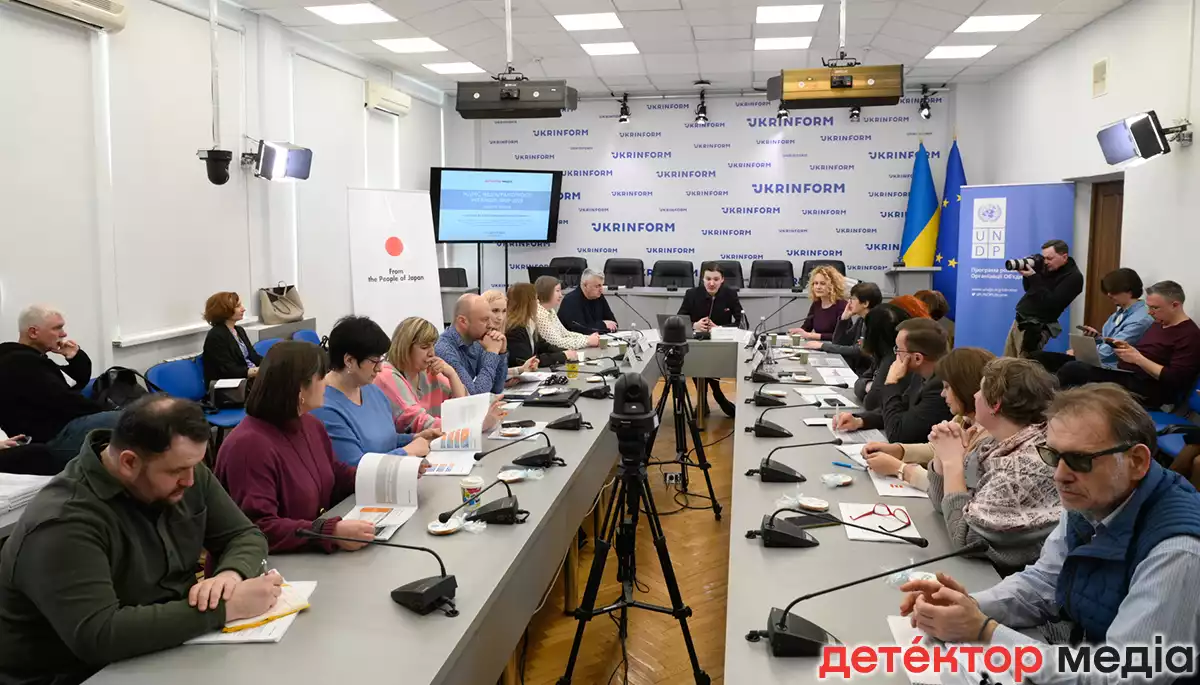
On March 13, the results of the annual study “Media Literacy Index of Ukrainians” were presented. The event was jointly organized by the NGO “Detector Media,” the State Committee for Television and Radio Broadcasting, and the Ukrainian National News Agency Ukrinform.
The presentation took place at the Ukrinform press center.
Participants in the discussion of the Media Literacy Index included Nataliia Lygachova, head of the NGO “Detector Media”; Hanna Krasnostup, Director of the Department of Strategic Communications and Promotion of Ukrainian Culture at the Ministry of Culture of Ukraine; Olena Ursu, Head of the Democratic Governance and Inclusive Society Team at UNDP in Ukraine; Serhii Cherevatyi, Director General of Ukrinform; Olha Kravchenko, head of the national media literacy project “Filter”; Halyna Petrenko, Director of the NGO “Detector Media”; Marta Naumova, PhD in Sociology, Associate Professor and Senior Research Fellow at the Institute of Sociology of the National Academy of Sciences of Ukraine; and other media experts.
The event was moderated by Vadym Miskyi, Program Director of the NGO “Detector Media.”
The study's presentation is being carried out within the UNDP project “Supporting Inclusive Recovery to Ensure the Resilience and Security of People in Ukraine,” funded by the Government of Japan.
Nataliia Lygachova said that this year researchers significantly expanded the survey questionnaire. According to her, more than 30 new questions were added, including those related to perceptions of censorship and trust in bloggers and the media.
“These new questions emerged primarily thanks to our expert council, and we are very grateful to everyone involved. Adding 30 questions has truly increased the value of this study,” Lygachova said.
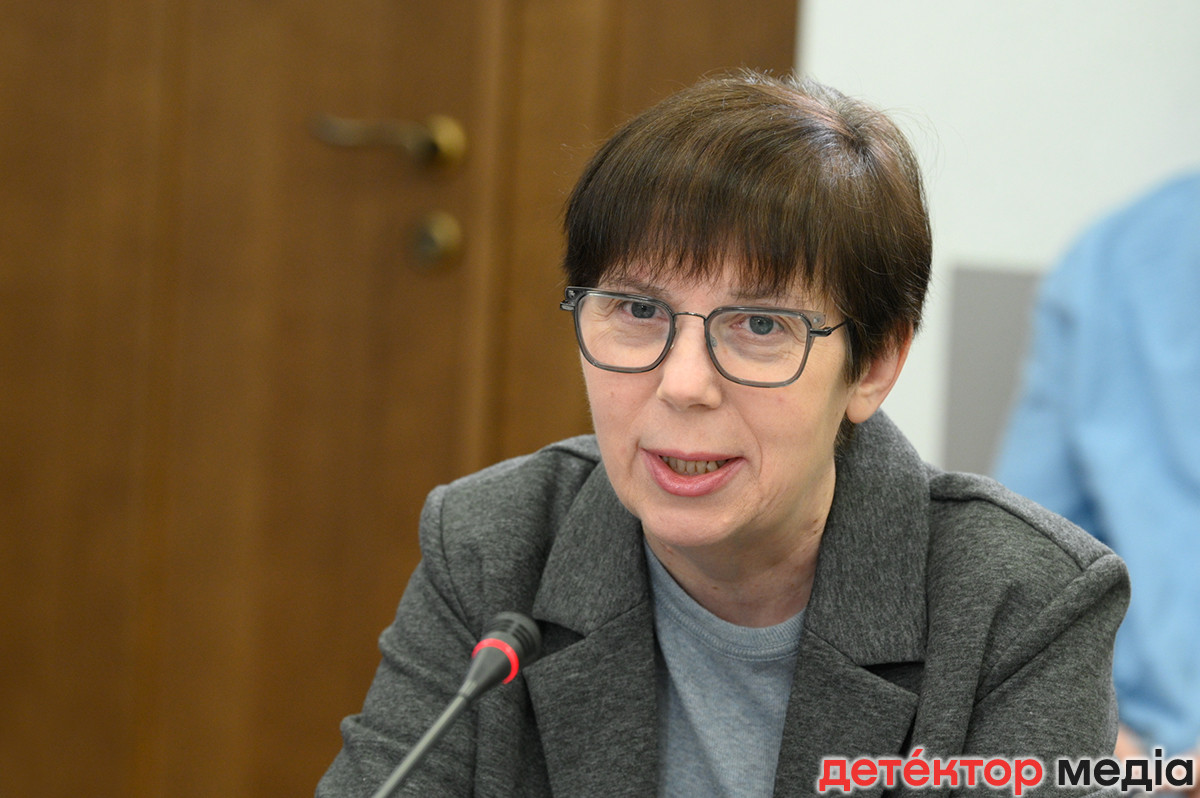
Nataliia Lygachova
Hanna Krasnostup, Director of the Department of Strategic Communications and Promotion of Ukrainian Culture at the Ministry of Culture of Ukraine, emphasized that media literacy is an important component of societal resilience:
“The sixth wave is not just a sociological study. It is material that allows us to identify trends, draw correlations, and adjust information policy.”
According to her, debunking fakes or disseminating official information alone is not enough—what is needed is a resilient population.
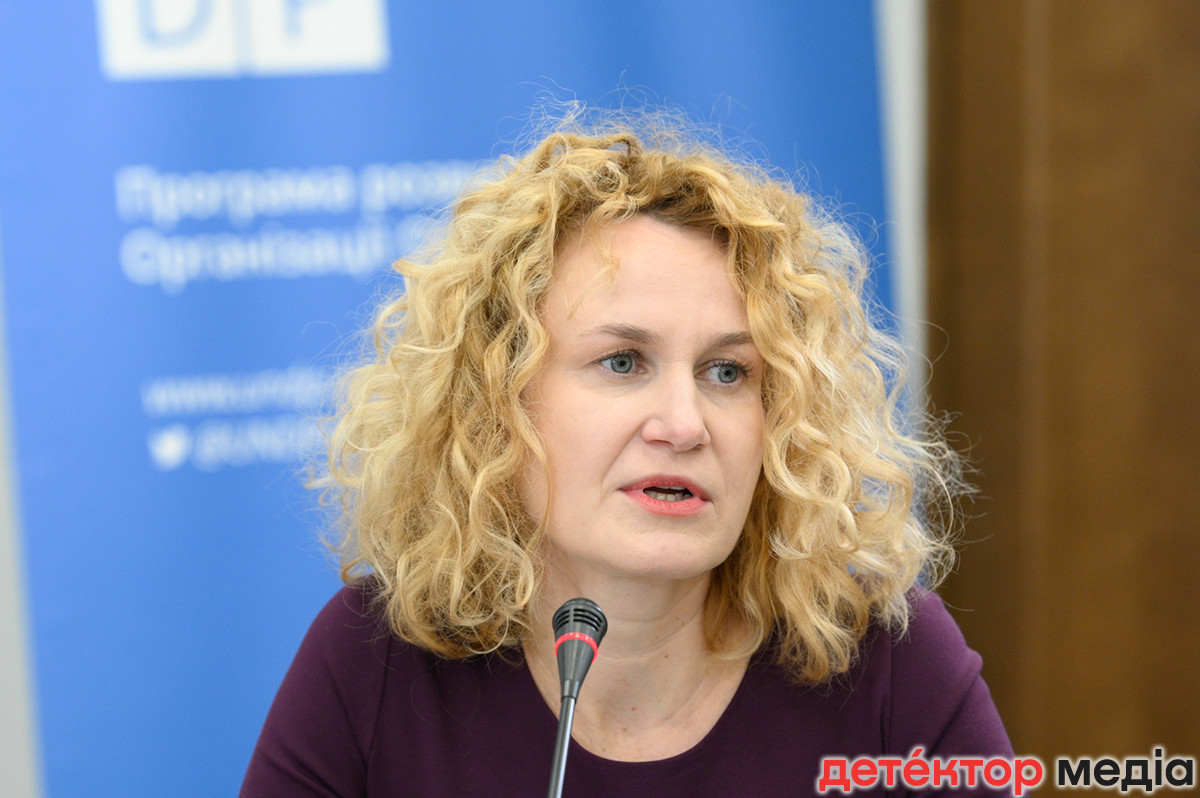
Hanna Krasnostup
Olena Ursu, Head of the Democratic Governance and Inclusive Society Team at UNDP in Ukraine, noted that media literacy is not a standalone program area for UNDP. Still, the organization implements many projects aimed at developing the communications sphere:
“We have many projects aimed at strengthening the effectiveness of democratic governance in Ukraine, building the capacity of state institutions, working on strategic communications, and promoting social cohesion. We fully understand that media literacy is a factor that influences all these processes, and it is extremely important to understand the current situation. It is very important that this is already the sixth wave, which allows us to draw conclusions about trends and the gaps that still need to be addressed.”
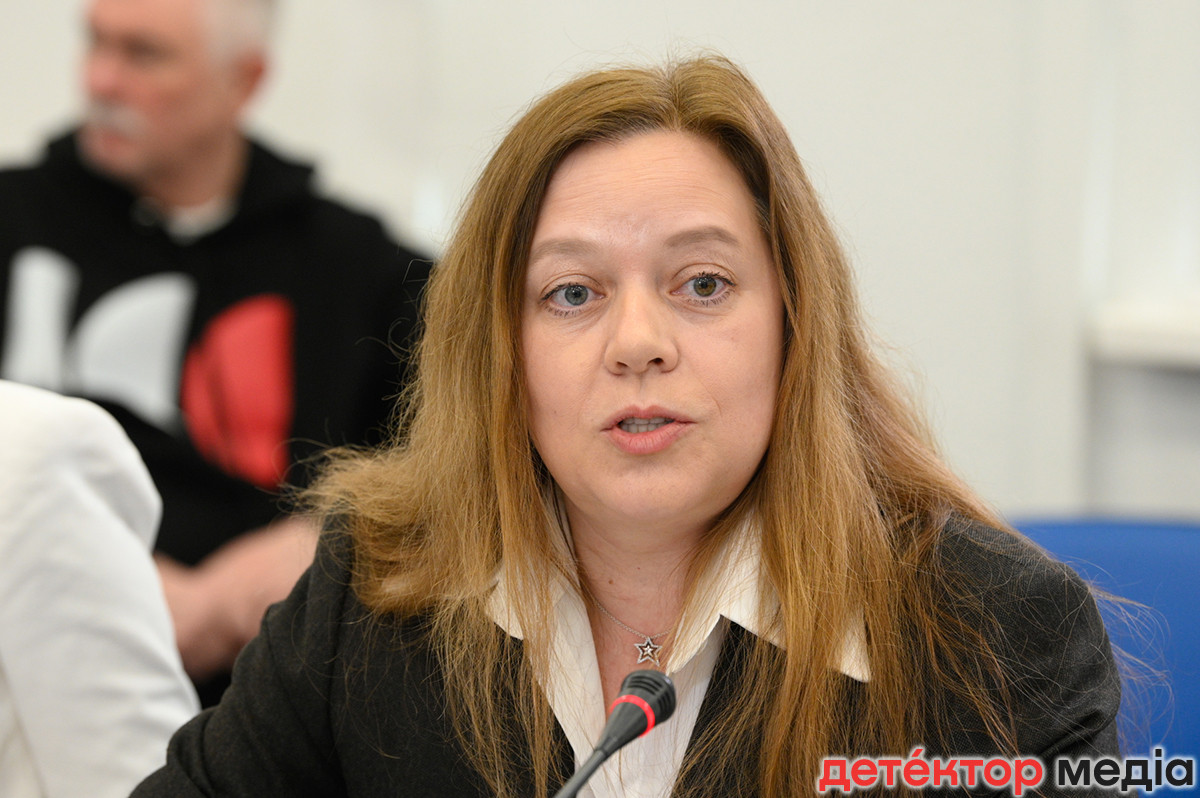
Olena Ursu
Marta Naumova, PhD in Sociology and Senior Research Fellow at the Institute of Sociology of the National Academy of Sciences of Ukraine, reported that the overall media literacy index in 2025 remained on average at the same level as before.
At the same time, she noted that Ukrainians are gradually returning to pre-war internet usage practices. In particular, the use of streaming platforms, e-commerce, and online payments is increasing, which are also elements of digital competence.
Researchers also examined audience attitudes toward content authors. According to Naumova, only 37% of Ukrainians almost always pay attention to who the author of a piece is, 31% do so sometimes, and about 30% do not pay attention to this at all. At the same time, journalists remain the leaders in terms of responsibility to audiences for the information they disseminate.
Halyna Petrenko, Director of the NGO “Detector Media,” said that the most common ways of verifying information remain searching for confirmation in other media, consulting primary sources, assessing the reliability of the source, and reviewing user comments if the material is published online.
At the same time, in 2025, the use of artificial intelligence systems was added as a response option. According to Petrenko, 7% of respondents already verify information this way.
“This is a rather alarming indicator for the future, because we can predict that as artificial intelligence becomes more popular, we will see an even greater number of people verifying information with the help of AI,” she said.
Petrenko also drew attention to the risks of information manipulation. According to her, Russia is already using so-called LLM grooming—the practice of spreading large amounts of false information to “train” chatbots.
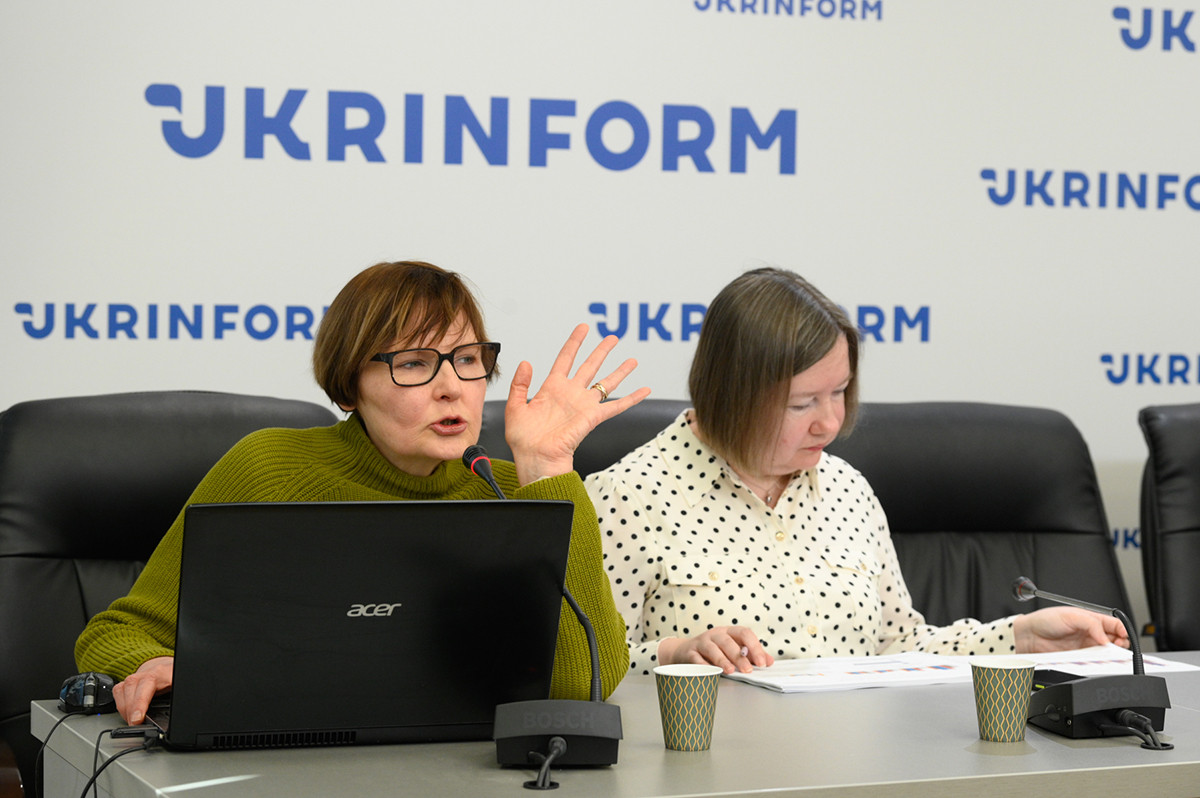
Marta Naumova and Halyna Petrenko
According to Marta Naumova, the majority of Ukrainians—between 40% and 60%—only partially trust various media outlets. The highest level of trust is placed in official accounts of state institutions, particularly the Ministry of Defense and the Verkhovna Rada.
Second place is held by international media and organizations such as BBC, Radio Free Europe/Radio Liberty, Deutsche Welle, CNN, and Euronews. Third place is occupied by the “United News” telethon and Suspilne Broadcasting. At the same time, 7% of respondents trust anonymous Telegram channels.
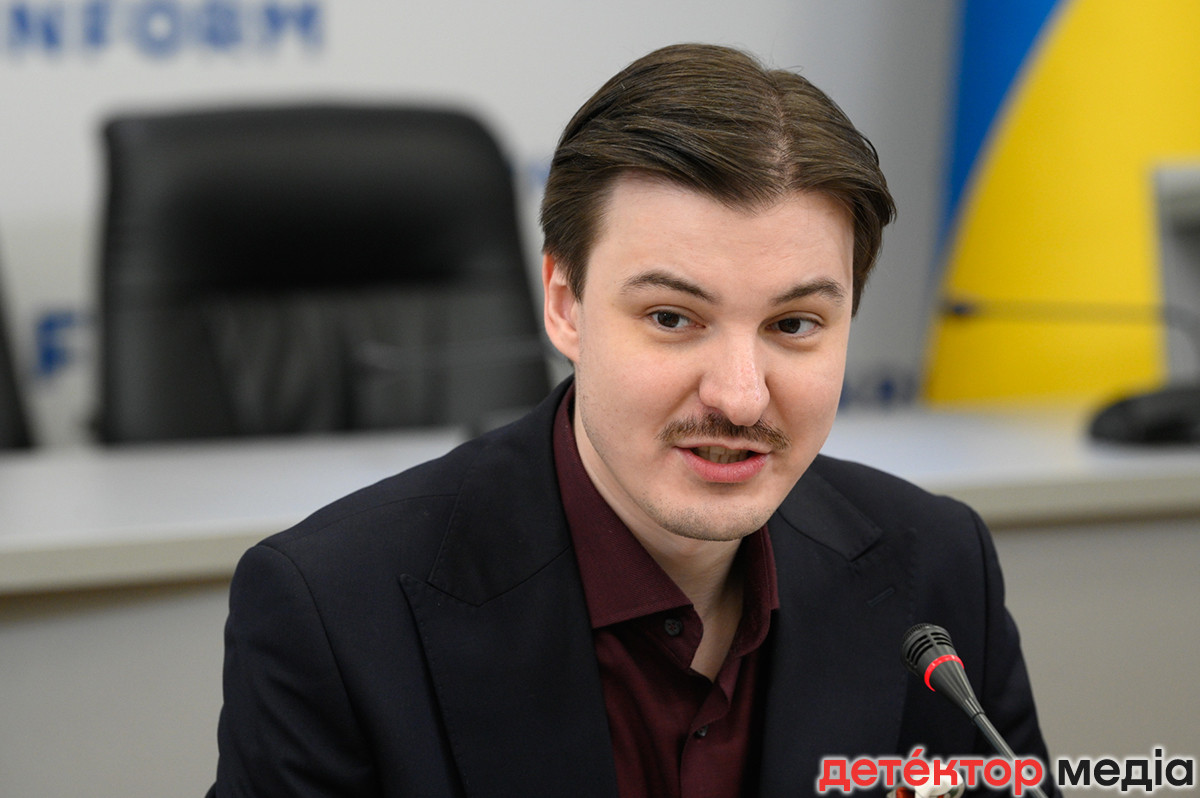
Vadym Miskyi
During the discussion, Vadym Miskyi, Program Director of the NGO “Detector Media,” noted that next year researchers may test audience perceptions of other platforms, particularly TikTok, similar to how attitudes toward Telegram were analyzed in previous waves.
You can view the results of previous waves of the study here (for 2020), here (for 2021), here (for 2022), here (for 2023), and here (for 2024).
The study is conducted with the support of the United Nations Development Programme (UNDP) in Ukraine and funded by the Government of Japan. The views and conclusions expressed in this study do not necessarily reflect the position of UNDP, other UN agencies, or the Government of Japan.
Photo: Maksym Polishchuk