
Українською читайте тут.
In September, Detector Media (Telekrytyka) celebrates its 25th anniversary. As we reach the first quarter of a century, we decided, after all, not to assess the media ourselves :), but instead to turn to some of our well-known readers and ask them to share their thoughts about us. We asked about various things: from our influence on Ukraine’s media landscape as its watchdogs to… the character of our team.
Throughout September, we will publish the responses of those who know us on the Detector Media website and our social media, in various formats — blitz interviews, surveys, and more. We hope this will also be interesting to our readers, because the history of DM–Telekrytyka is, in fact, a large part of the history of independent Ukrainian journalism as a whole.
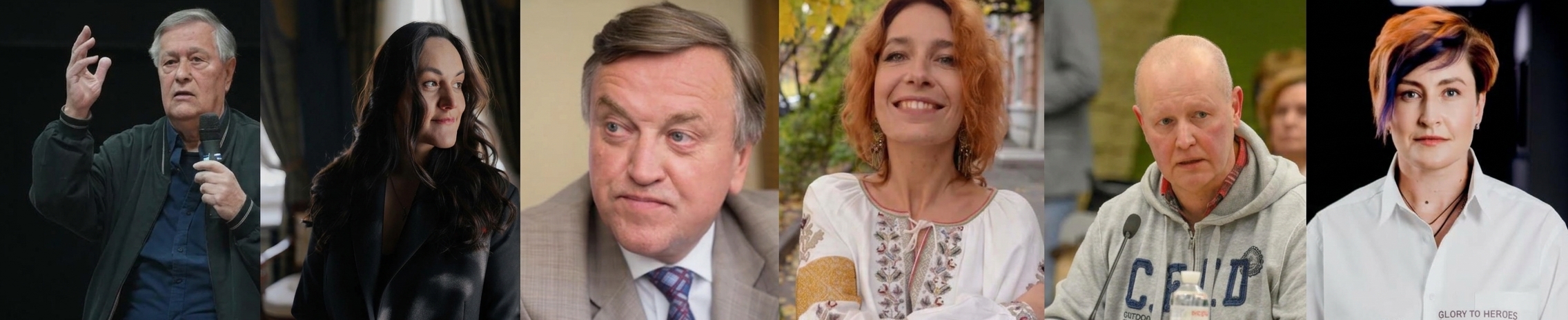
Today, we publish the responses of Kostiantyn Kvurt, Olha Siedova, Tetiana Berezhna, Oleh Nalyvaiko, Nataliia Nahorna, and Roman Balayan. Read the thoughts of other DM readers at the link.
Kostiantyn Kvurt, Chairman of the Board of the NGO Internews Ukraine
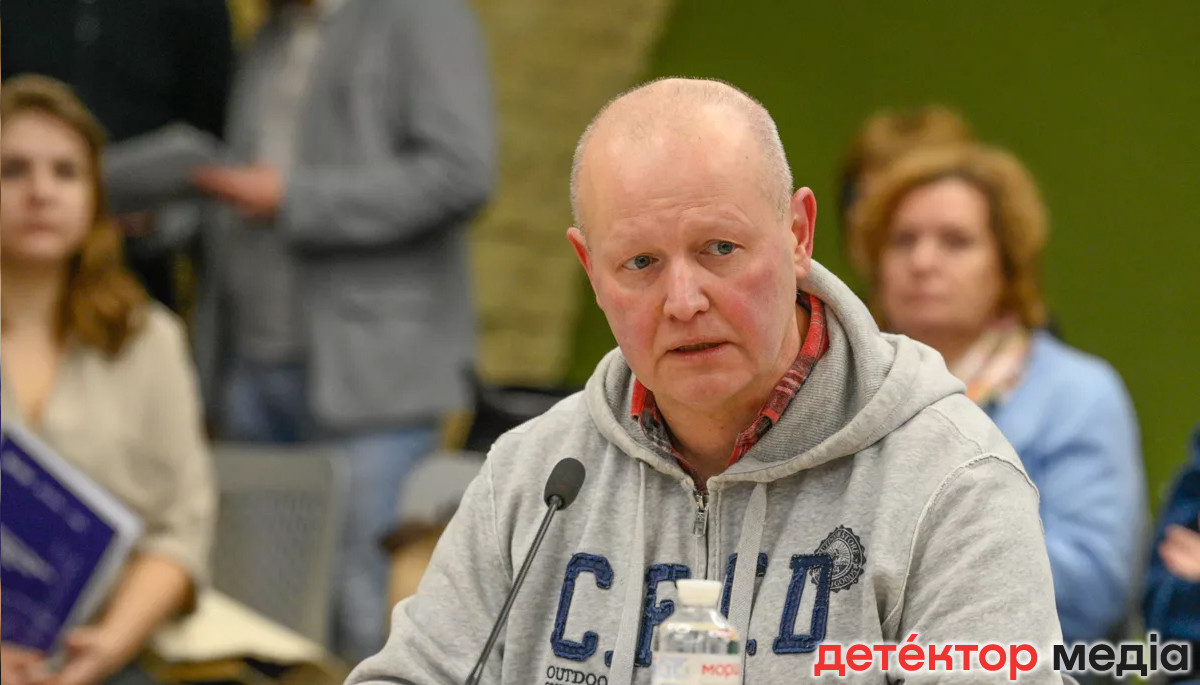
― In your opinion, how has Detector Media influenced the Ukrainian media and public discourse, as well as Ukrainian civil society, over these 25 years?
― Over 25 years, Detector Media has accustomed the Ukrainian media community to the idea that someone is watching them. Not in a negative sense, but in the sense that there is an institution that records every day: here there was paid-for journalism, here — a violation of standards, and here — manipulation disguised as news.
DM has helped make the media more visible to society, and society more demanding of them. This is not always a comfortable role. But without the principled, independent, and professional discussion that DM often initiates, Ukraine would have neither strong journalism nor a mature civil society.
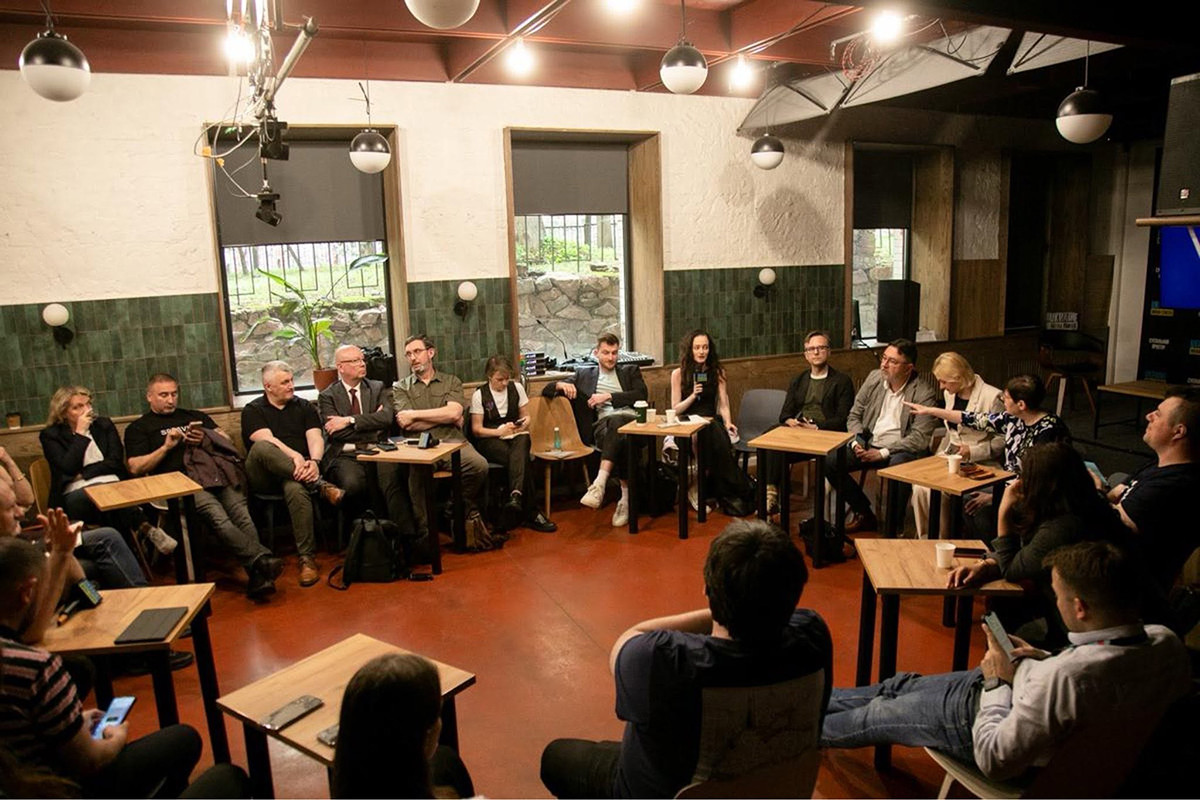
2026. Detector Media, together with the Ukraine Media Center, brought together representatives of the media, the Ministry of Defence, the Defence Intelligence of Ukraine, the Armed Forces of Ukraine, bloggers, and experts in a Chatham House format to discuss high-profile journalistic materials that generated significant public interest — The Kyiv Independent’s reports about the Yellow Ribbon and Zla Mavka movements and about Symon Petliura, as well as Realna Hazeta’s investigation into the strike on Starobilsk.
― What role did the publication play during key events (the Orange Revolution, the Revolution of Dignity, the full-scale war)?
― I remember the emergence of Telekrytyka in 2001 as a very timely response to the state of the Ukrainian media. At the time, public discussion about censorship, political pressure, and professional standards was only beginning to take shape. And during the Orange Revolution, Telekrytyka became one of the platforms where journalists could openly say that they would no longer work according to editorial directives. This was an important moment of professional solidarity, both for the media and for society as a whole.
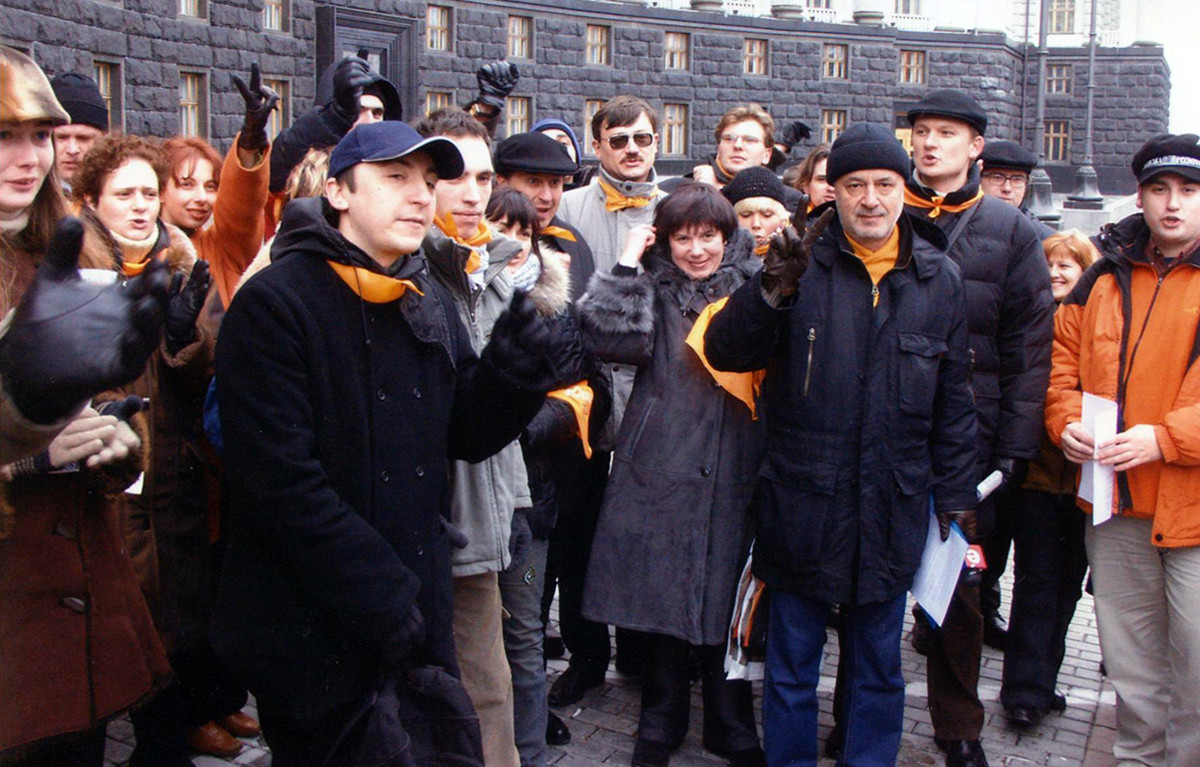
2004. Journalists’ “We Don’t Lie!” action during the Orange Revolution
Participation in the “Stop Censorship!” movement and its active role during the Revolution of Dignity became a natural continuation of this process.
The full-scale war, meanwhile, presented all of us with a different task. In addition to constant missile attacks, Russia is trying to sow distrust, fear, and hostility among Ukrainians. Under these circumstances, DM’s work monitoring, exposing, and explaining Russian information attacks is part of our collective resilience.
― What was your first, or perhaps most memorable, contact with Detector Media or with Telekrytyka? Do you remember a piece that affected or outraged you the most?
― My first contact with Telekrytyka was, essentially, even before it appeared in the public space. It was born as a project of Internews Ukraine. Later, the team went its own way and grew into an independent organisation. But this shared starting point will always remain special for Internews Ukraine. We saw how a necessary but, at the time, risky idea grew into one of the key institutions of Ukraine’s media environment.
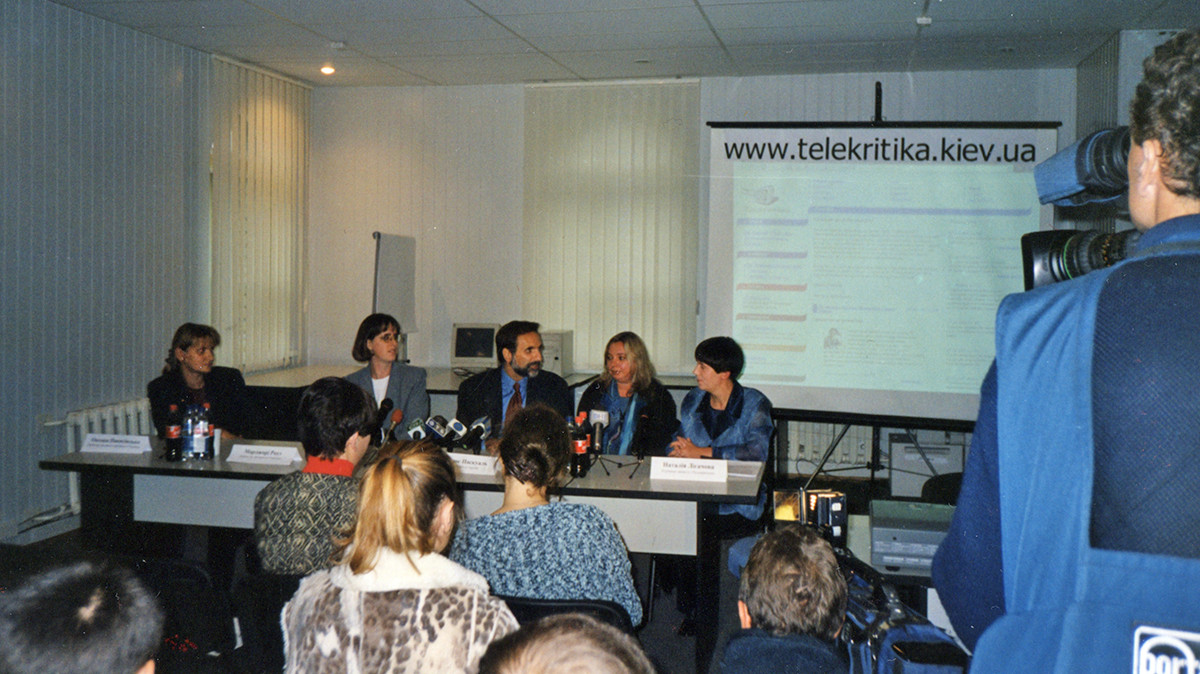
27 September 2001. Presentation of the newly established Telekrytyka online publication at the Internews Ukraine office, attended by US Ambassador to Ukraine Carlos Pascual and Marjorie Rose, head of the Internews Network office in Ukraine
― What main character trait of the DM team would you single out over these 25 years of work?
― I would say — principledness. Principledness in the ability not to back down from important things, even when it is inconvenient. Over 25 years, political circumstances, technologies, and the media market itself have changed. But the DM team has never adjusted its assessments to the current situation, ratings, or someone’s hurt feelings. That is precisely why people trust it, even if they sometimes disagree with its conclusions.
― How would you like to see Detector Media over the next 25 years, and what would you wish for its team?
― Over the next 25 years, I see DM as an institution that manages to identify challenges before they become the norm. Once, it was necessary to explain why editorial directives were not simply peculiarities of editorial policy, but censorship. Today, we need to deal with Russian disinformation, anonymous Telegram channels, algorithms, and AI-generated content. Tomorrow, new challenges will emerge that we have not even learned how to name yet.
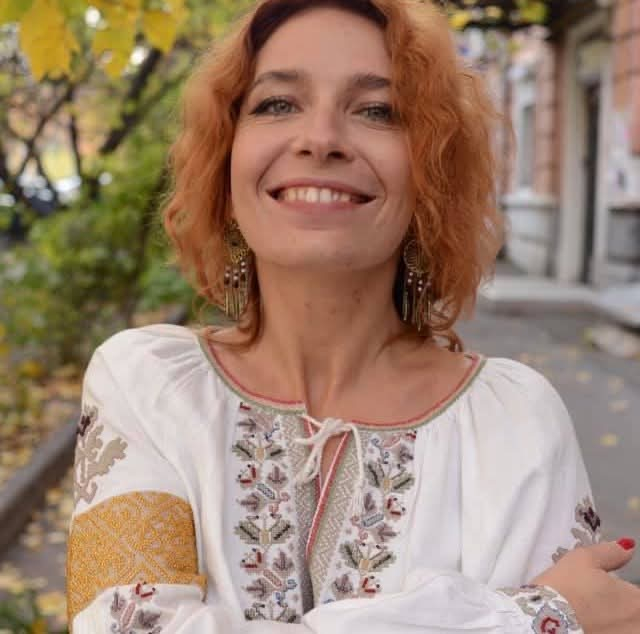
Olha Siedova, BBC Media Action, Director for Eastern Europe and Central Asia
― In your opinion, how has Detector Media influenced the Ukrainian media and public discourse, as well as Ukrainian civil society, over these 25 years?
― In my opinion, Detector Media is a very important, if not key, media analysis publication not only for Ukraine but for the entire region. Throughout all these years, the DM team (formerly Telekrytyka) has very accurately and uncompromisingly diagnosed the state of media freedom in the country and constantly kept its finger on the pulse of the media industry. During this time, platforms, technologies, media owners, the political situation, and the donor landscape have changed rapidly, while the DM team has always provided sharp, independent analysis and, at the same time, set a direction for movement. Without exaggeration, DM is an important objective voice of the Ukrainian media community, at the national, regional, and international levels alike. Detector Media’s materials and conclusions have always served as a kind of indicator of the state of freedom of speech and democratic processes in Ukraine. It is especially important that DM not only responds to events but also helps shape the agenda for the professional community, asks critical questions, and offers a vision for the development of the sector.
During the full-scale war, this role has become even more important. Detector Media outlines the challenges to information resilience, disinformation, and journalism standards in wartime at the international level, drawing on its own in-depth and innovative research (which it began conducting back in 2014, becoming the first in the country to do so). For me, DM is a source of expertise, in-depth analysis, and an independent perspective on where the sector is heading and the state of media freedom in Ukraine.
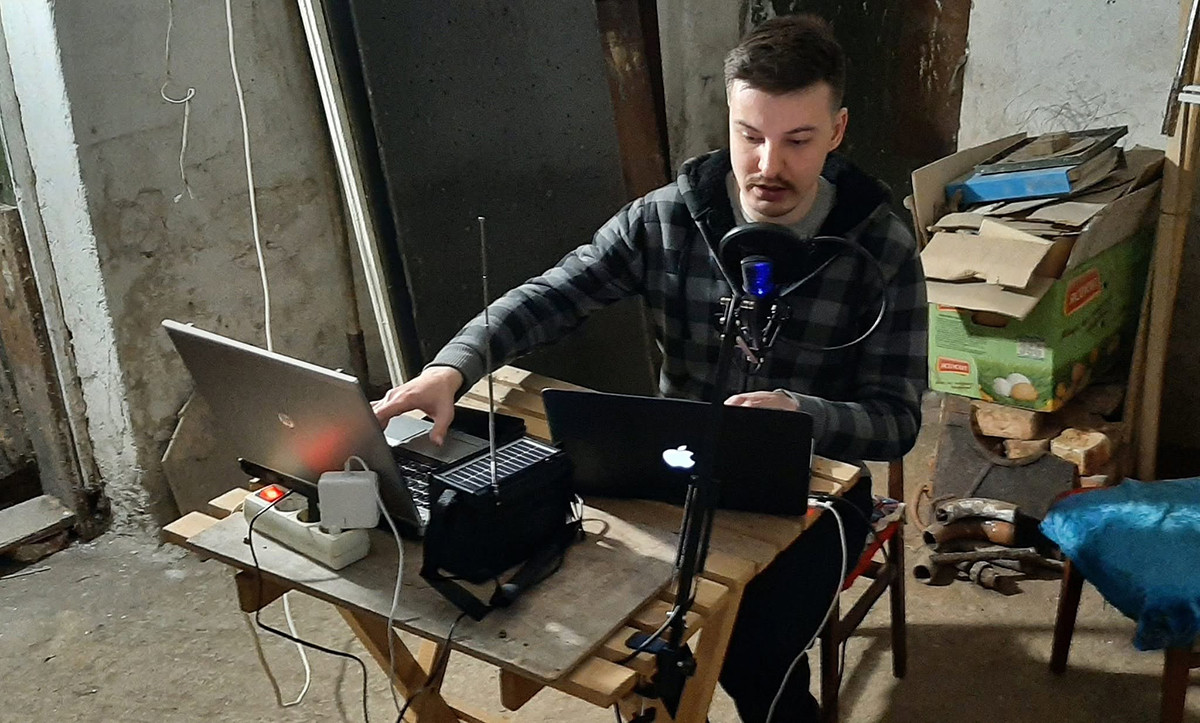
DM Programme Director Vadym Miskyi hosts a podcast in a shelter during the first days of the war. February 2022
― What role did the publication play during key events (the Orange Revolution, the Revolution of Dignity, the full-scale war)?
― DM is, to a certain extent, a system-forming organisation for the Ukrainian media sector. For me, one of the most striking examples of Detector Media’s influence is the reform of public broadcasting. Even during the Orange Revolution, the Telekrytyka team was one of the centres of the coalition promoting the idea of creating a public broadcaster in Ukraine. At that time, the political establishment was not ready to part with controlled state broadcasting, the “mouthpiece of the authorities”. But Detector Media persistently brought this idea back into the public discussion and did not allow it to be forgotten, even when there was not enough political will for the reform. After 2004, there were very difficult times. Governments changed, priorities changed, the organisation itself underwent transformations, but the TK team, and later DM, continued to work systematically on the issue. In 2007–2008, it was precisely around the expert community, in which Detector Media played an important role, that the concepts for the future public broadcaster were being developed.
After the Revolution of Dignity, we finally got a public broadcaster. I remember very well how Detector Media was among those who actively demanded this reform and supported it at every stage. That is why, for me, this is an example not simply of journalism or analysis, but of real influence on the development of democratic institutions in Ukraine.
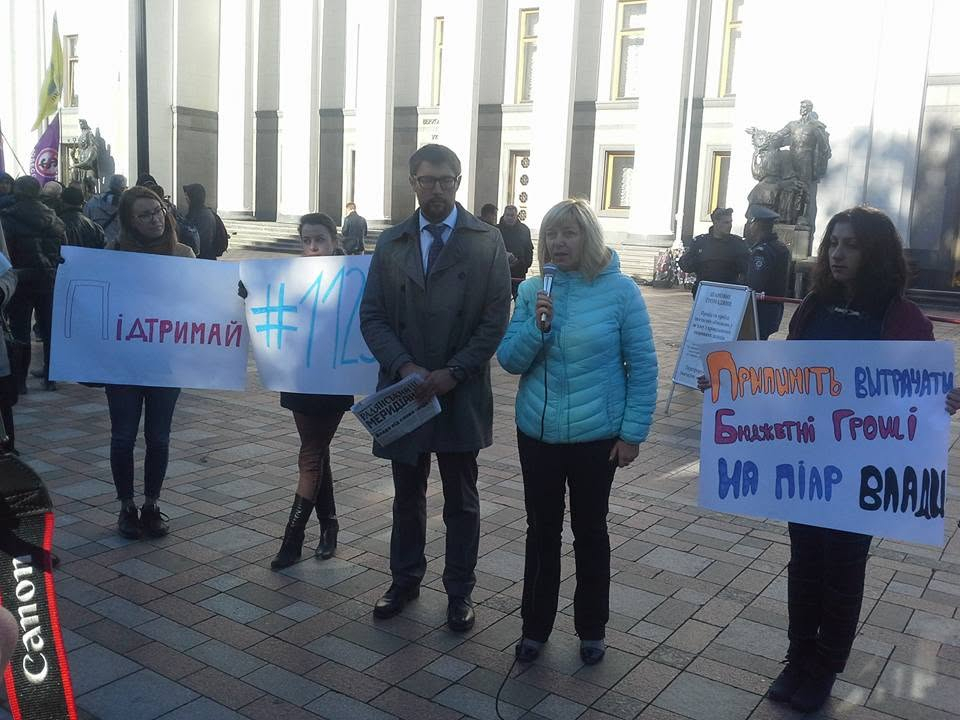
Svitlana Ostapa during a rally outside the Verkhovna Rada in support of Draft Law No. 1123 “On Reforming State and Municipal Print Media”. 2015
― What was your first, or perhaps most memorable, contact with Detector Media or with Telekrytyka?
― My first contact was with Telekrytyka almost 20 years ago. I began regularly reading the print publication and website, and learned a lot. I still have some of the printed issues somewhere.
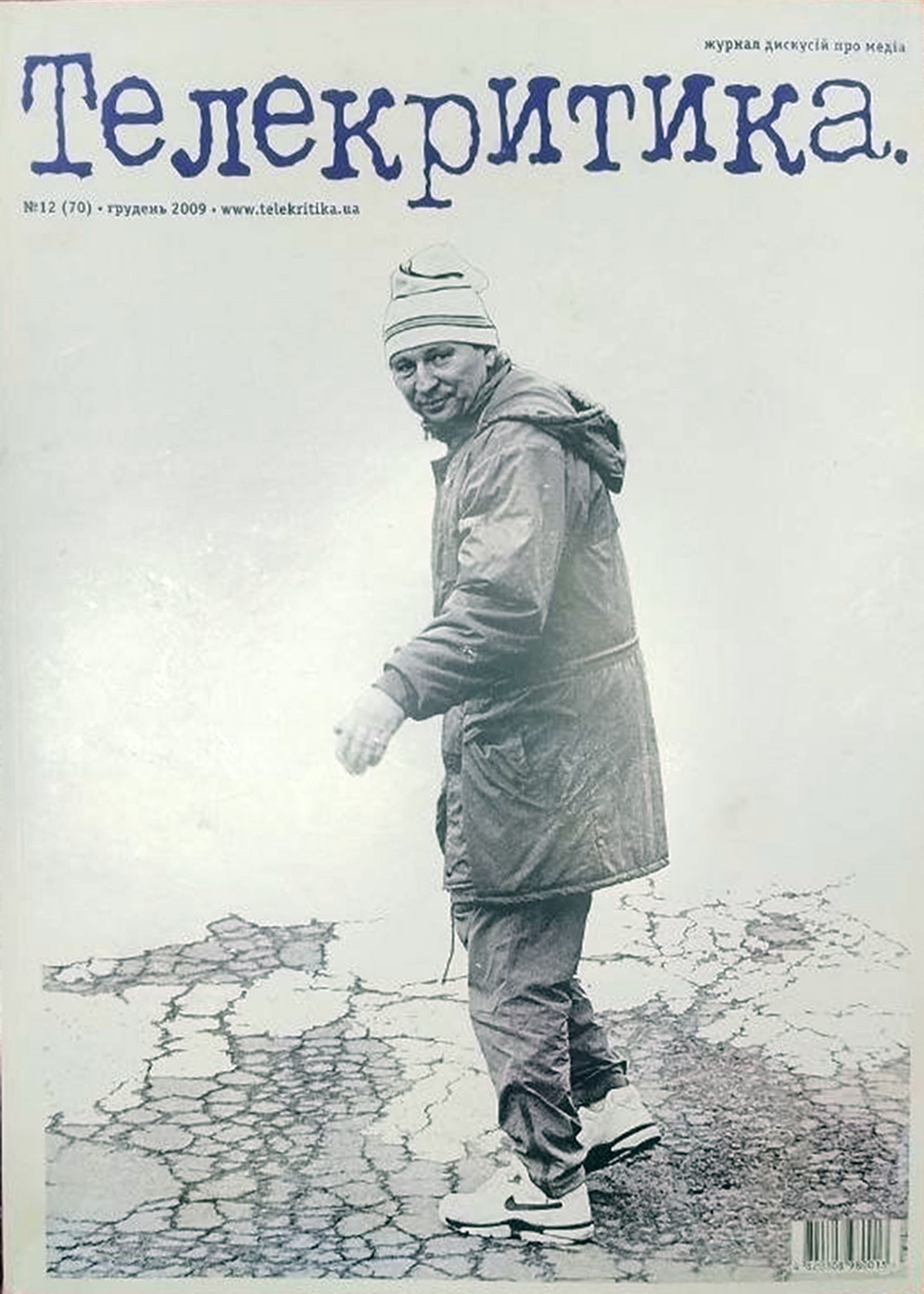
For me, DM has always been a source of very in-depth analysis of the media market.
I was always impressed by how such a small team managed to be everywhere: at parliamentary committees, presidential press conferences, specialised hearings, important media policy events, at the regulator, the State Committee, the Ministry of Culture, closed industry events, and international media and security conferences. It seems there is not a single important event in the media sector that they have missed.
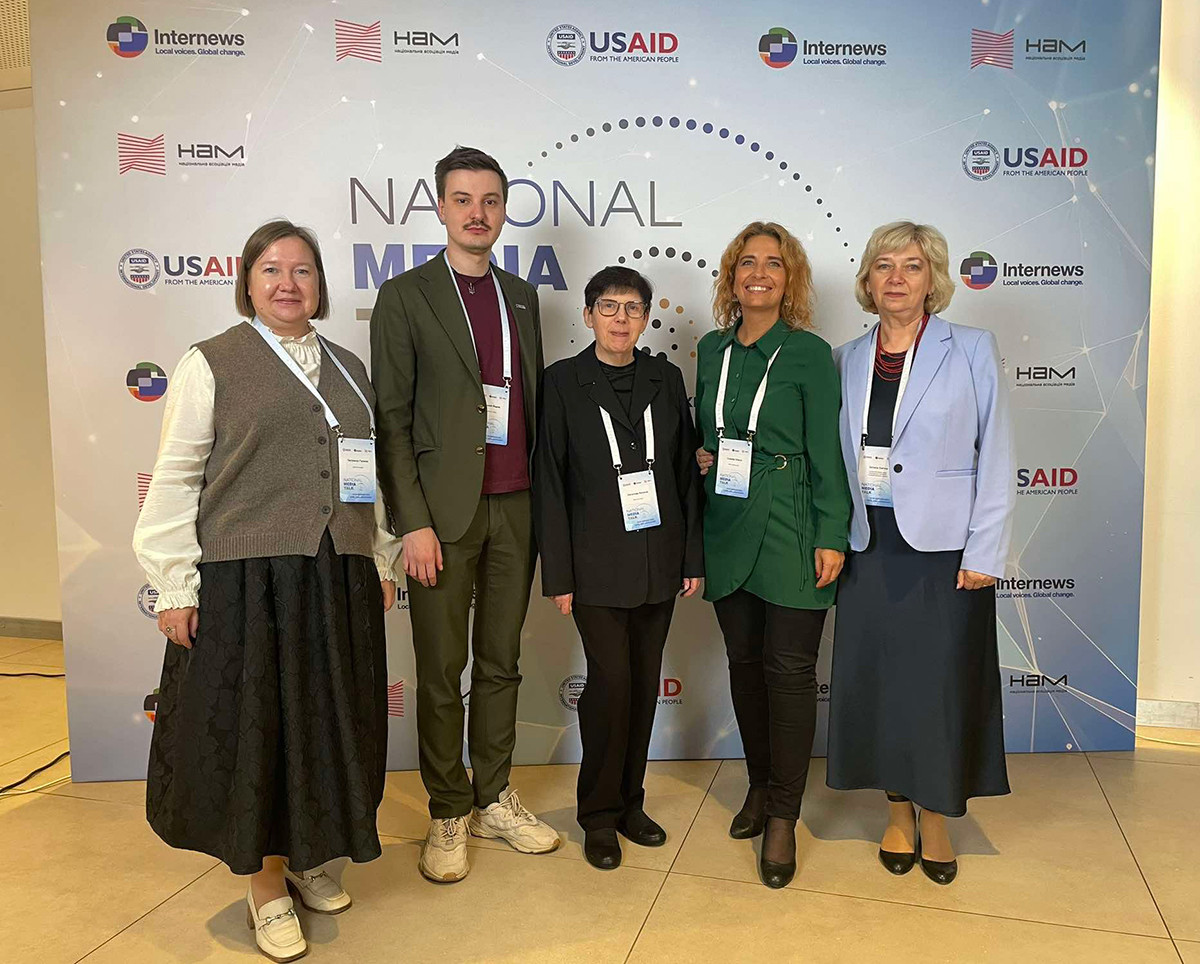
2024. Halyna Petrenko, Vadym Miskyi, Nataliia Lygachova, Olha Siedova, and Svitlana Ostapa during the National Media Talk conference
That is why what I remember most are not individual pieces, but this marathon-like ability to remain at the centre of events while maintaining independence and depth of analysis over the long term, regardless of the storms around them.
My favourite is not an individual piece, but the DM Public Broadcasting section of the website, created in 2010, during Yanukovych’s presidency, when the media community temporarily lost its chance to carry out this reform. I remember how, in Nataliia Lvivna’s office, we thought together about how best to unite and not lose hope. For four years, this subsection became a kind of light at the end of the tunnel — we saw trends in the region and developed a vision. And in 2014, the time for reform came, largely thanks to the strategic progress made by the DM team, for which I bow deeply to everyone involved.
― What main character trait of the DM team would you single out over these 25 years of work?
― For me, it is principledness and consistency.
I am extremely grateful to the team for maintaining, for 25 years already, a course of protecting freedom of speech and media freedom without compromise. Even when it is not easy. Even during the full-scale war, when security issues come to the fore, Detector Media continues to ask difficult questions and professionally assess the situation.
Another quality that I value highly is the depth of its analysis. In-depth analysis, a sharp perspective on problems, and expertise have always been distinctive features of the team.
I would also like to mention separately the period of transition from Telekrytyka to Detector Media. It was a very difficult period, but the team led by Nataliia Lygachova managed to rethink its approach, develop a strategy, find funding, build a new brand, and move forward. Not an organisation, but a phoenix. In my opinion, this also demonstrates great resilience and the ability to change.
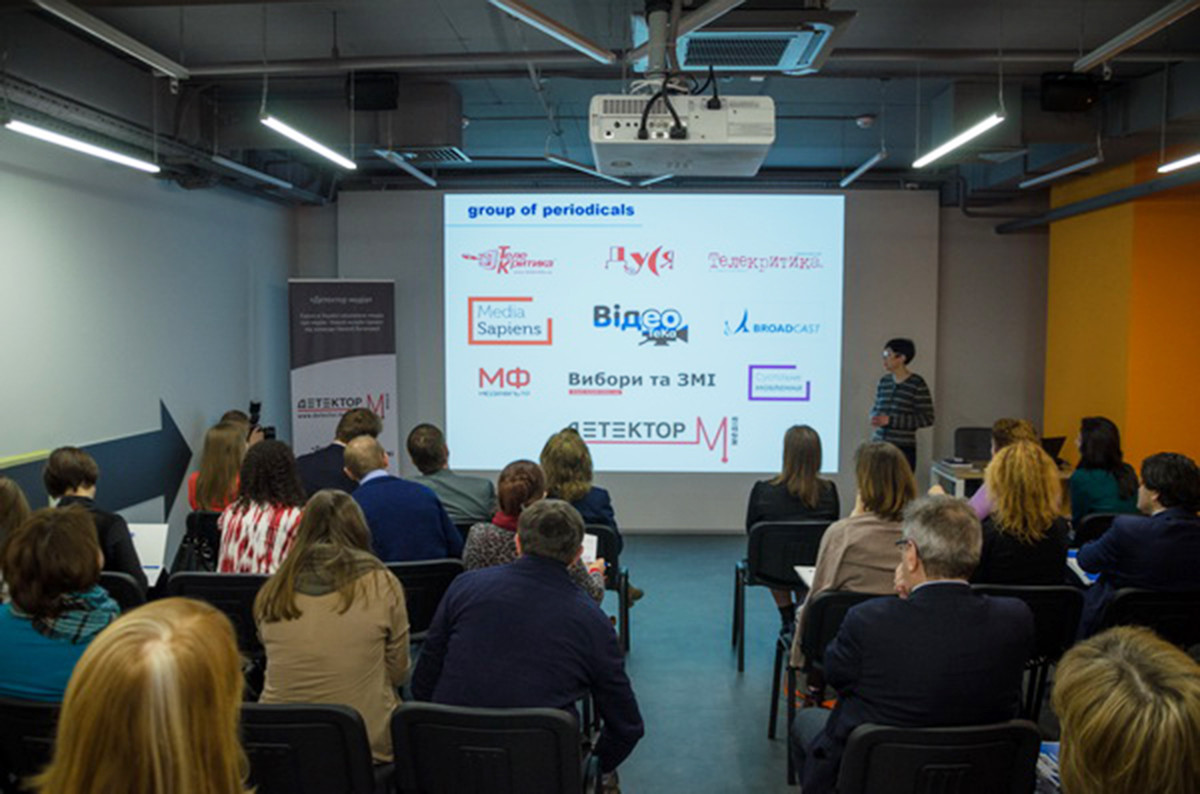
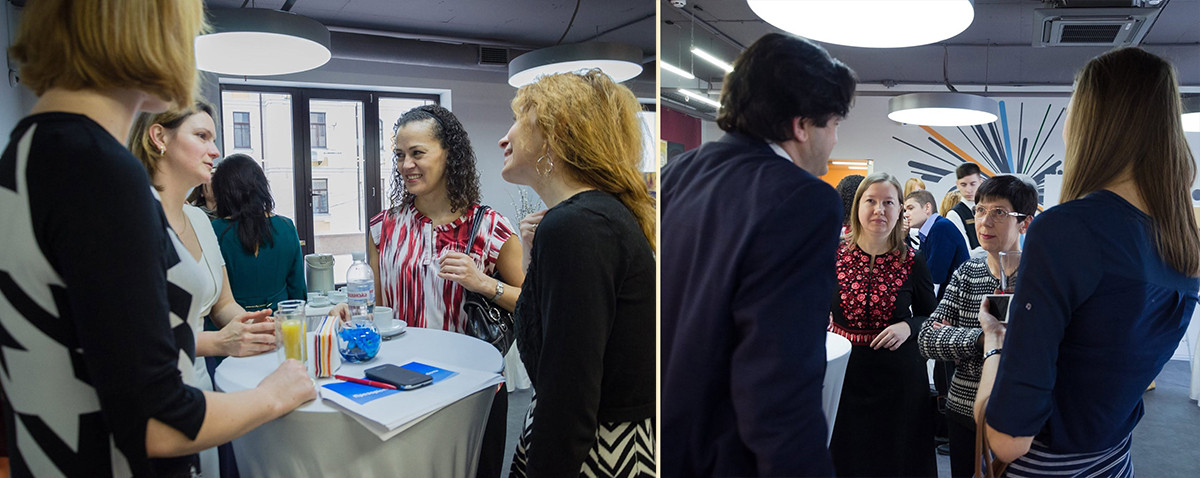
Presentation of Detector Media. 3 March 2016
― How would you like to see Detector Media over the next 25 years, and what would you wish for its team?
― I would like Detector Media to remain over the next 25 years the same guidepost for the Ukrainian media community that it is today.
Huge technological changes lie ahead: artificial intelligence, new information platforms, the transformation of journalism. But I am convinced that the need for independent analysis, professional expertise, and an honest conversation about the media will only grow.
Detector Media has always been able to combine the Ukrainian context with global trends and help us understand how global changes affect the Ukrainian media sector. I would like this role to only become stronger.
Tetiana Berezhna, Deputy Prime Minister for Humanitarian Policy ― Minister of Culture of Ukraine
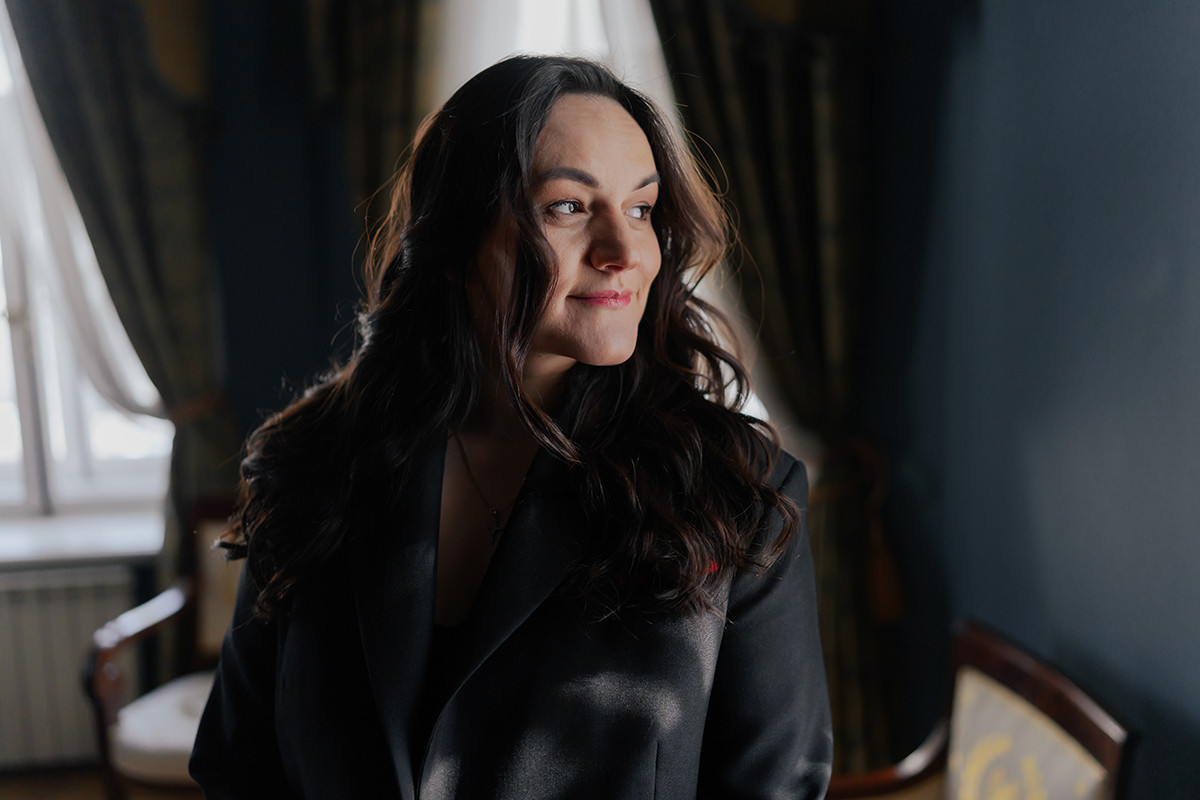
― How has DM changed public discourse in Ukraine over these 25 years? And what is its role during the war?
― Over 25 years, Detector Media has accustomed Ukraine’s media space to a very useful habit — looking at itself from the outside. Each of us should have someone who, from time to time, asks an uncomfortable but honest question. And for the entire Ukrainian media market, Detector Media has been there for this purpose for 25 years.
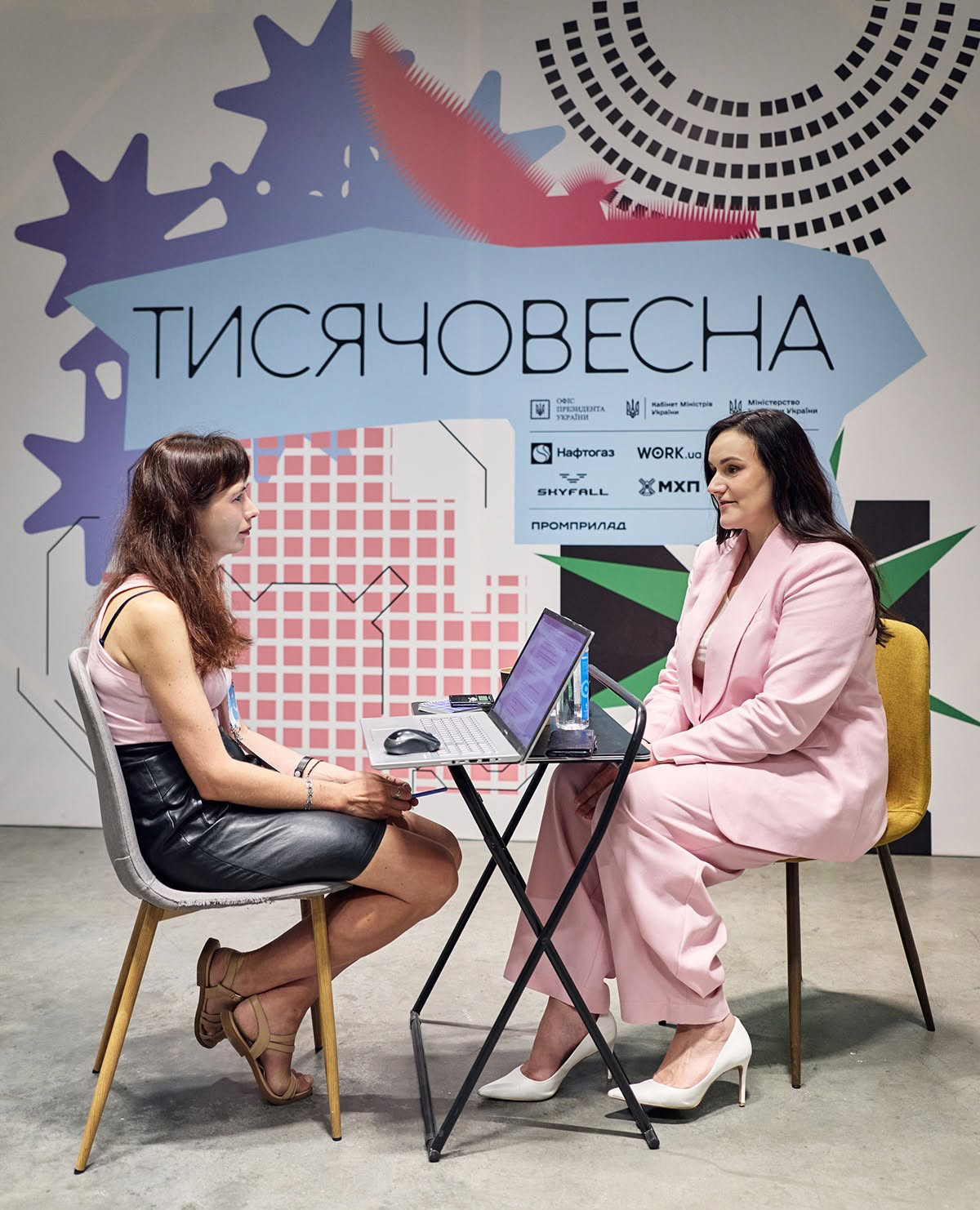
Tetiana Berezhna tells Nataliia Dankova about the pitching sessions of “Tysyachovesna”. Ivano-Frankivsk, August 2026.
It is also important to me that Detector Media gives different sides an opportunity to be heard. When a sensitive issue arises in the field of culture or media and we want to explain the ministry’s position, the editorial team is ready to provide its platform for this — an authoritative and important one for the professional community.
During the war, another extremely important function has been added to this — information security. Fakes and propaganda are weapons, while media literacy is one of the ways to protect against them.
― Describe Detector Media in just three words. What are the first ones that come to mind?
― Principled, meticulous, professional.
― Has criticism from DM ever helped you improve something in your work or, on the contrary, irritated you?
― Constructive criticism based on facts and specific arguments definitely helps. Most recently, I remember Lena Chychenina’s piece in Antonina about “Tysyachovesna” after her trip to Ivano-Frankivsk. I have great respect for the fact that, without looking for any intrigues or hidden motives, she came, stayed for all the days of the events, attended the pitching sessions, moderated a discussion, and spoke with various participants.
Only after that did she prepare a fact-rich piece. Yes, there was criticism in it, but it was well-founded. That is what professional journalism looks like to me. So, for that, huge respect to Antonina.
We understand that certain processes of the first competition need improvement. We are drawing conclusions, documenting the analysis, and preparing decisions so that the next launch will be stronger. That is why I see such criticism as an important part of the work that helps make government decisions better.
― What main character trait helped the DM team survive these 25 years?
― Stubbornness. In the best sense of the word. To closely monitor Ukrainian media for 25 years, ask uncomfortable questions, uphold professional standards, and continue your work under any circumstances — that definitely takes character.
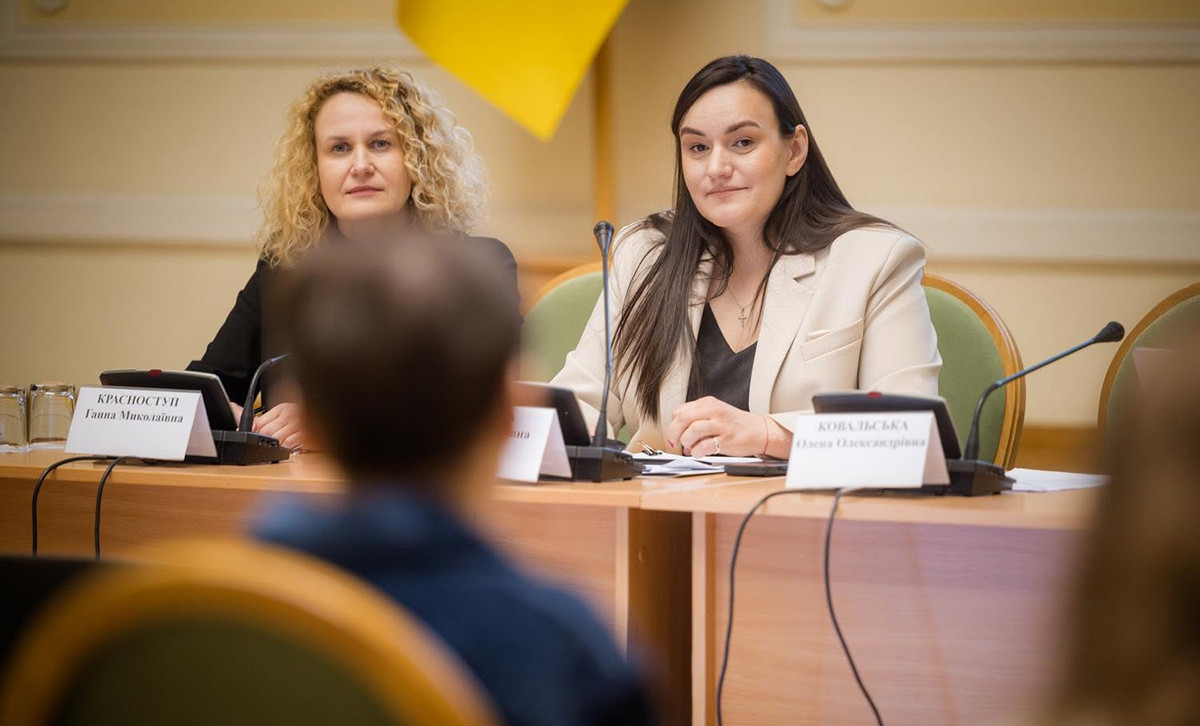
― Recall the most absurd rumour about yourself that Detector Media should definitely investigate in its fake news section.
― When I was appointed acting Minister of Culture, one article suggested that certain personal circumstances would prevent me from staying in the ministry for long, and motherhood was presented there as an obstacle. But time puts everything in its place. Now everyone understands that the birth of a child means even more inspiration, responsibility, and motivation to work for Ukraine and Ukrainian culture.
― How would you like to see DM in another 25 years, and what would you wish for the team?
― In 25 years, I want to open Detector Media and read a sharp discussion about new Ukrainian media, new technologies, and new challenges in a peaceful, strong European Ukraine. And I want Nataliia Lygachova to moderate it.
I wish the team to preserve its character and courage to ask difficult questions. And I especially wish Antonina many more years of not letting anyone in Ukraine’s media space relax :)
Oleh Nalyvaiko, Head of the State Committee for Television and Radio Broadcasting
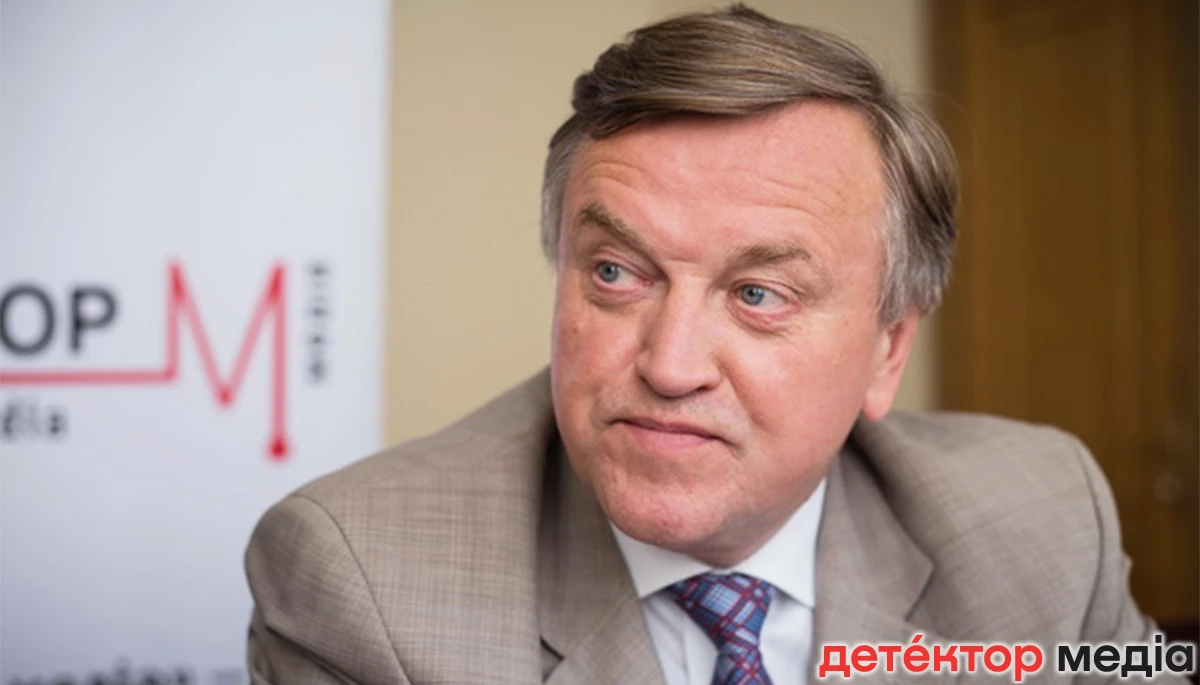
― In your opinion, how has Detector Media influenced the Ukrainian media and public discourse, as well as Ukrainian civil society, over these 25 years?
― DM, together with other organisations, contributed to the creation of pro-European legislation in the media sphere. It developed a package of journalistic standards and “red lines” that the market formally and informally endorsed.
The creation of public broadcasting and the reform of the state and local print press are also among DM’s achievements. Preparing draft laws and then continuously monitoring and providing methodological support for two major successful projects is a practical contribution to the development of the media sector. DM has always been and remains at the forefront of the fight against editorial directives, paid-for journalism, fakes, and disinformation, and for the social responsibility of media market players. Its voice in this area is very substantial and influential.
― What role did the publication play during key events (the Orange Revolution, the Revolution of Dignity, the full-scale war)?
― During both revolutions, the media came under enormous pressure from the authorities, but DM was always a stronghold of independence and a defender of its colleagues. And I remember very well how, during meetings of the commissions on protecting freedom of speech under Yanukovych, the chairwoman would first announce facts from the monitoring conducted by what was then still Telekrytyka, and the authorities could not ignore them.
After the full-scale invasion, DM journalists joined the ranks of those defending their country. Effective and professional fighting against fakes and disinformation, supporting colleagues, and finding balances with the authorities during the war against the aggressor, including on issues concerning the national telethon.
― Did you ever disagree with Detector Media, its assessments, or its criticism? Did you discuss these matters publicly or privately?
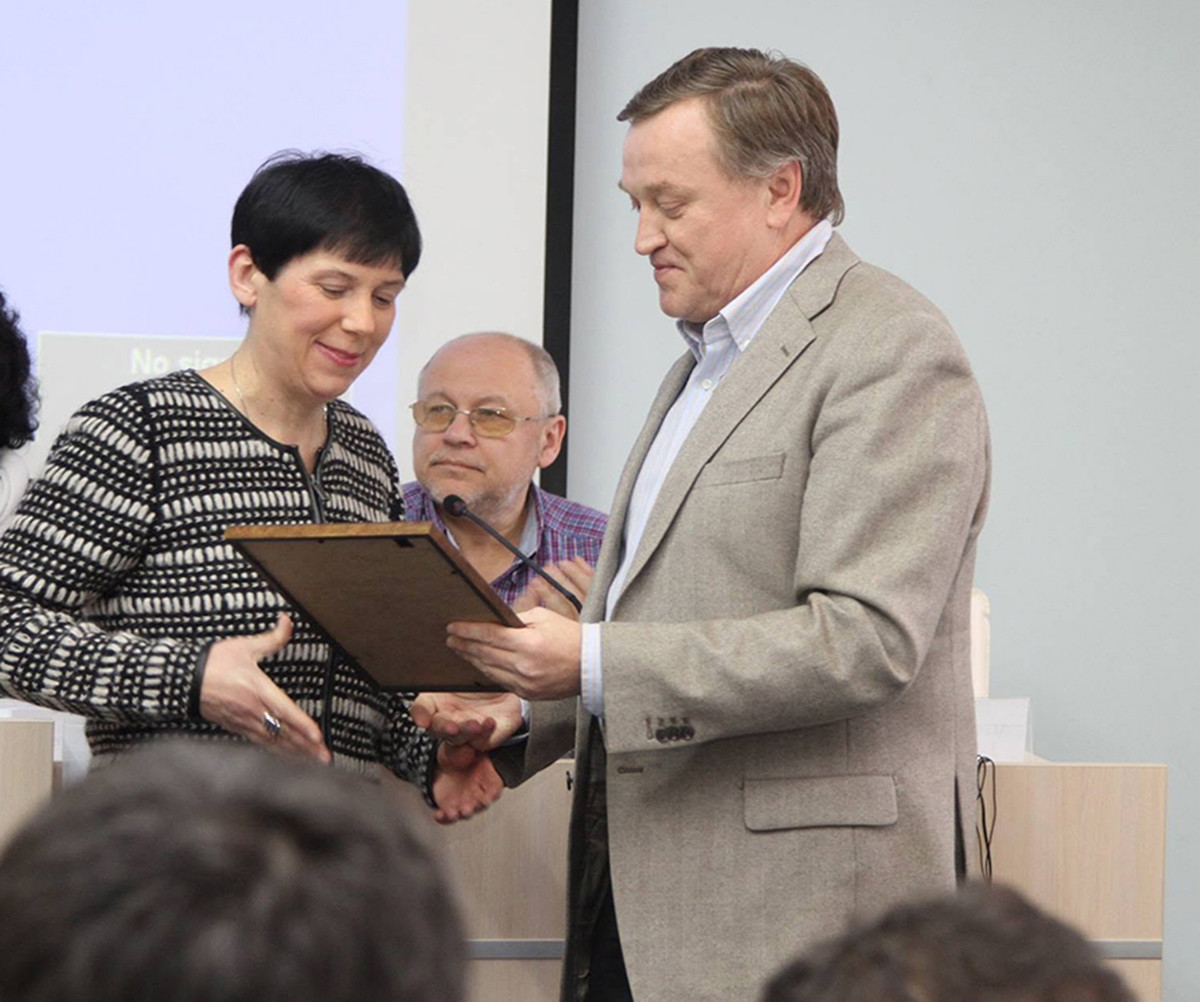
― 2002. I became the head of UNIAN, and almost immediately the so-called story of editorial directives began in the country, which also affected the agency. My Teacher Ihor Lubchenko sent me a piece by Telekrytyka with the note: “Are you with us or against us?” We then discussed the publication and what to do about it for a long time in his famous “back room”. After that, we all went forward together as one team. By the way, I am proud that one of the first NSJU Ihor Lubchenko Awards, in 2013, was presented by Nataliia Lygachova herself. She and Ihor Fedorovych belonged to different generations, but they were “of the same blood type”, as the legendary dean of the Kyiv School of Journalism, Anatolii Moskalenko, used to say.
― Describe DM in three words that would convey your thoughts about it.
― Professionalism and competence, Europeanness, a sincere desire to support media projects, uncompromising commitment to protecting freedom of speech and journalistic standards. Understanding and the ability to work off the record)))
― How would you like to see Detector Media over the next 25 years, and what would you wish for its team?
― To remain “our Detector” — honest, analytical, and providing such necessary partnership support to the market and the authorities.
P.S. And I should be awarded a distinction as the main user of the Detector Media archive and monitoring reports)))
Victory to us all!!!
Nataliia Nahorna, special correspondent for TSN, “1+1”
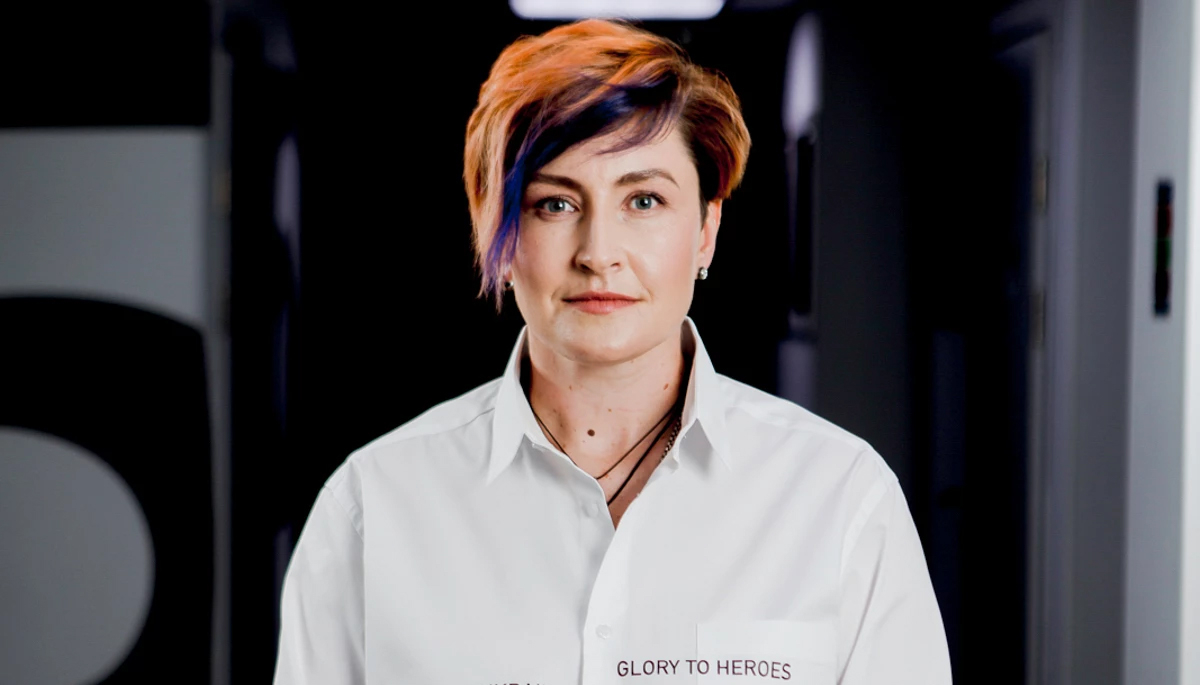
― Once, they wrote about me in “Dusia”. At the time, I was working at the Ukraina channel and spending my Saturday evening entertaining myself by meowing while preparing to record a promo for the Sunday programme))). And Borya Dolyna, the director who now serves in the Defence Forces, said that we should stop meowing because we were starting the recording. And when asked why I was meowing, I replied that I was meowing because Danylevych was a kitty. That evening, Bohdan Kutiepov, who is also now in the Defence Forces, was making a piece for “Dusia”. The resulting piece was called “Why is Andrii Danylevych a kitty?”, and I was reprimanded for it. I was asked why special correspondents were behaving inappropriately. I remember this story as a funny one :).
I used to read reports on media standards because they were written by my trainer, Ihor Kulias. At one point, he and Sasha Makarenko taught me a great deal. That is why it was always important for me to read his feedback on my reports.
I would like Detector Media to still exist 25 years from now. I don’t know what format it will be in or what platform it will be on. But if, 25 years from now, DM continues to write about the media, that will mean so much. It will mean that we stood our ground. That despite the great crisis that exists in journalism now (in my opinion), we still have media, they are Ukrainian, and DM writes about them in Ukrainian. Which means that we stood our ground, there are still people to write and film, people still need this, we have not been replaced by artificial intelligence, Ukraine stood its ground. And everything that was “in our time” was not in vain… Happy birthday! I would like to reread this memory 25 years from now. It only seems like that is a long time away. In 2017, for TSN’s 20th anniversary, we sealed a so-called time capsule into the TSN building. And now only some 11 years are left, yet I still remember what was written “for the future”. So 25 years is really very soon. The main thing is — stay alive and remain faithful to your cause. Thank you from the bottom of my heart for everything you have done.
Roman Balayan, film director
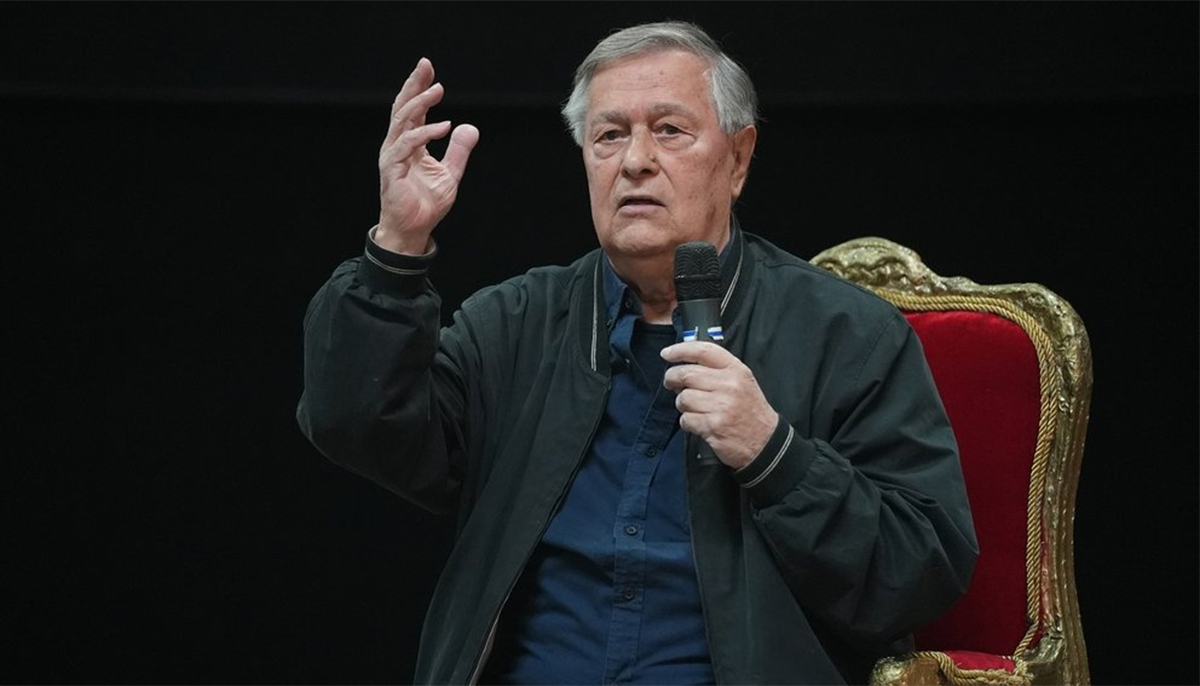
― I, of course, do not remember my first contact with Detector Media… What I remember more is DM’s critical attitude toward some programmes on various television channels. It was not malicious, but rather a simple lesson in courtesy and a reproach for unprofessionalism, which happened and still happens very often on our television channels. I would like to wish these news programmes to be more considerate toward today’s viewers and listeners, during such a difficult wartime period for them, when fascist Russia relentlessly and inhumanely torments Ukraine and its residents with missiles and drones… Thank you to Detector Media and personally to Nataliia Lygachova, whom I have known and respected for a long time, for your work and oversight in the media space! Glory to Ukraine!!!
Photo: DM and speakers’ archives, Maksym Polishchuk, press service of the Dovzhenko Film Studio