Українською читайте тут.
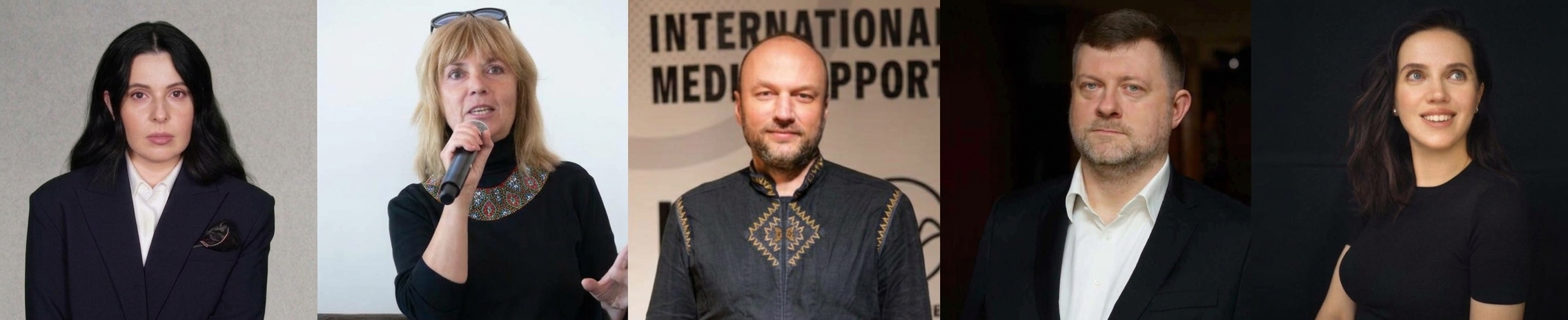
Without Telekrytyka / Detector Media, we might not have arrived at Public Broadcasting in the form in which it was launched after the Revolution of Dignity, believes the deputy speaker of parliament. In response to Detector Media’s questions for our 25th anniversary are Oleksandr Korniienko, Marta Dyczok, Yanina Sokolova, Roman Kifliuk, and Vlasta Lazur.
In September, Detector Media (Telekrytyka) celebrates its 25th anniversary. As we reach the first quarter of a century, we finally decided not to evaluate the media ourselves :), but instead to turn to some of our well-known readers and ask them to share their thoughts about us. We asked about different things: from our influence on the Ukrainian media landscape as its watchdogs to… the character of our team.
Throughout September, we will publish the responses of people who know us on the Detector Media website and on our social media, in various formats — blitz interviews, surveys, and so on. We hope this will also be interesting to our readers, because the history of Detector Media–Telekrytyka is, in fact, a major part of the history of independent Ukrainian journalism as a whole.
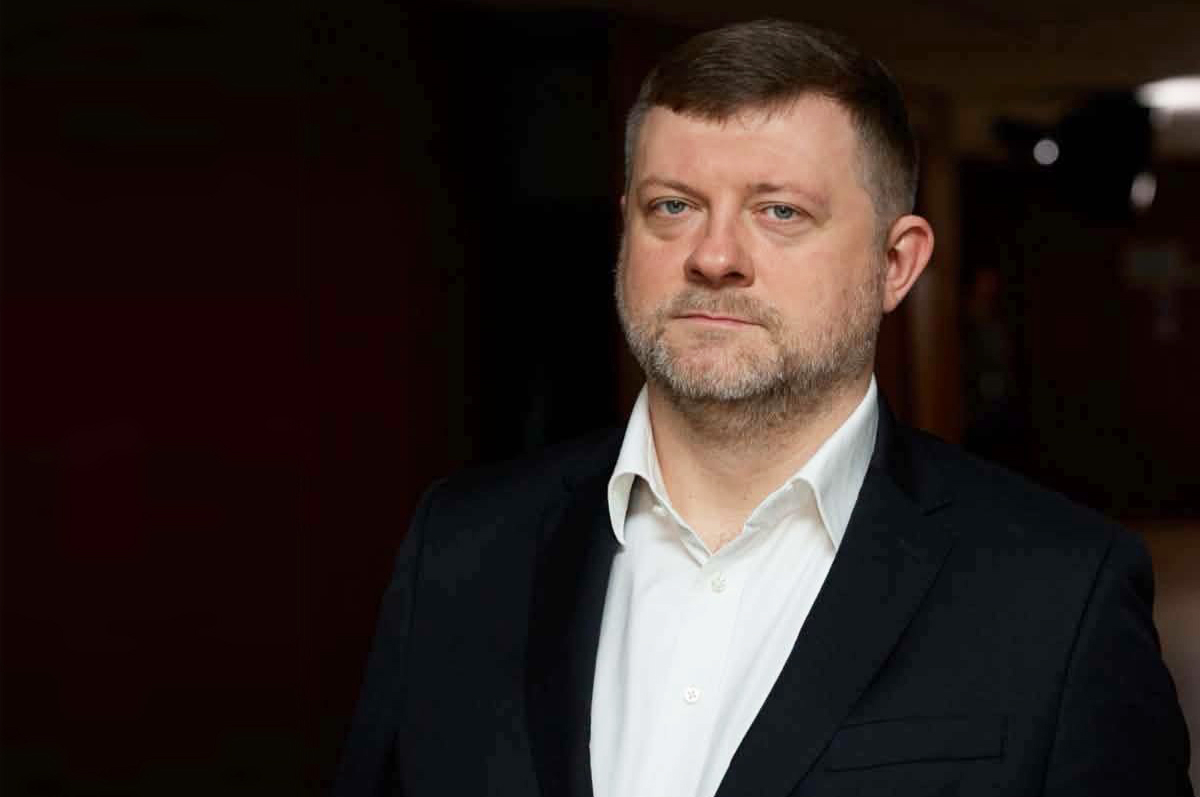
Oleksandr Korniienko, First Deputy Chairman of the Verkhovna Rada of Ukraine
In your opinion, how has Detector Media influenced the Ukrainian media and public discourse, and Ukrainian civil society over these 25 years?
I have been reading Telekrytyka since 2003, when I started working in serious media. I continued to follow it and read it all the time. So, one could say that I have known the publication and Ms Nataliia Lygachova since its origins.
How has the publication influenced the Ukrainian media and public discourse, and Ukrainian civil society over these 25 years? Of course, any industry-specific media outlet influences the industry depending on what its task is. There are industry media outlets that make money and monetize themselves, and there are those that perform the function of improving the industry and contributing to its development. I would put Telekrytyka in the second category. In my view, it worked very well and actively and was very influential precisely during the formation of Ukraine’s media landscape, when there were various newspapers, online publications were emerging, and television and radio were developing.
Telekrytyka had news, analysis, and “Dusya,” now “Antonina.” And, of course, it performed a watchdog function and conducted investigations. In my opinion, this always had a positive impact, because even “Dusya” / “Antonina” showed media professionals themselves certain things they had not noticed, certain blind spots.
I think that, in general, and even with a little bit of pathos, without Telekrytyka / Detector Media, we might not have arrived at Public Broadcasting in the form in which it was launched after the Revolution of Dignity, or we might have arrived there much later.
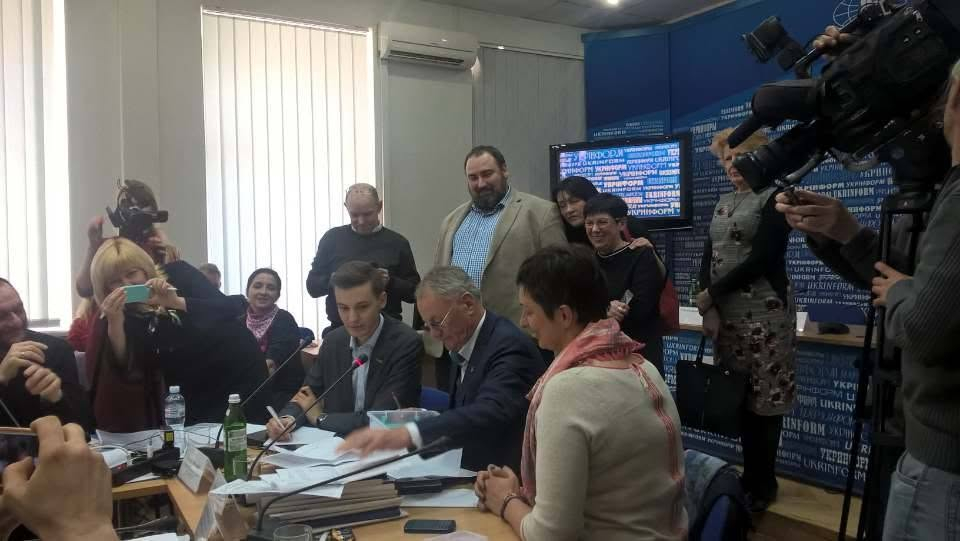
The election of the head of the future Suspilne. 2017
How would you like to see Detector Media over the next 25 years, and what would you wish for its team?
Over the next 25 years, honestly, it is difficult for me to say what will happen to the media in order to answer what will happen to Detector Media. It is a major challenge. AI, messengers, new generations with new media consumption habits, Zoomers — there is a lot one could list. I think, objectively speaking, over the next 25 years there will be a generational change and the arrival of new people. If I were in Detector’s position, I would prepare myself, my approach, for these people. Because sooner or later, you will have Zoomers. Perhaps Millennials will be making media about media for Zoomers…
If we are talking specifically about Ukraine, of course, there will be work here in the coming years, because our media landscape is developing in a unique way. It is somewhat separated from the European media landscape and global trends.
Clearly, this has happened largely locally or through the overdevelopment of Telegram, and perhaps this will change over time. After the war, I am sure that television formats and news channels will return, all of this will exist. But there are some things we will not restore. I am sure, for example, that we will not restore the monopoly of the T2 television signal, because OTT platforms already exist. We will not restore radio in the format we are used to; it will become narrower, but there will be podcasts.
And, in fact, Telekrytyka / Detector Media can also actively engage with all of this and research it. Study new forms, continue to be a watchdog. In a sense, be a very good industry media outlet. But the question is what the industry will be like. The kind of industry media outlet it will be will depend on that.
If the industry latches onto Telegram, messengers, and fast-food news, then Detector Media will probably be forced to focus more on analysis and figure out the different varieties of Telegram products. If some part of the industry turns in a better direction, then there will be more interesting work for DM as well.
At present, there are very large areas that, in my view, Detector does not study. For example, everything related to local history, the dissemination of information through local channels and local communities. There is quite a lot happening there.
If you had to describe Detector Media in just three words, what would those words be?
Honest media about media.
Marta Dyczok, professor at Western University, Ontario, Canada
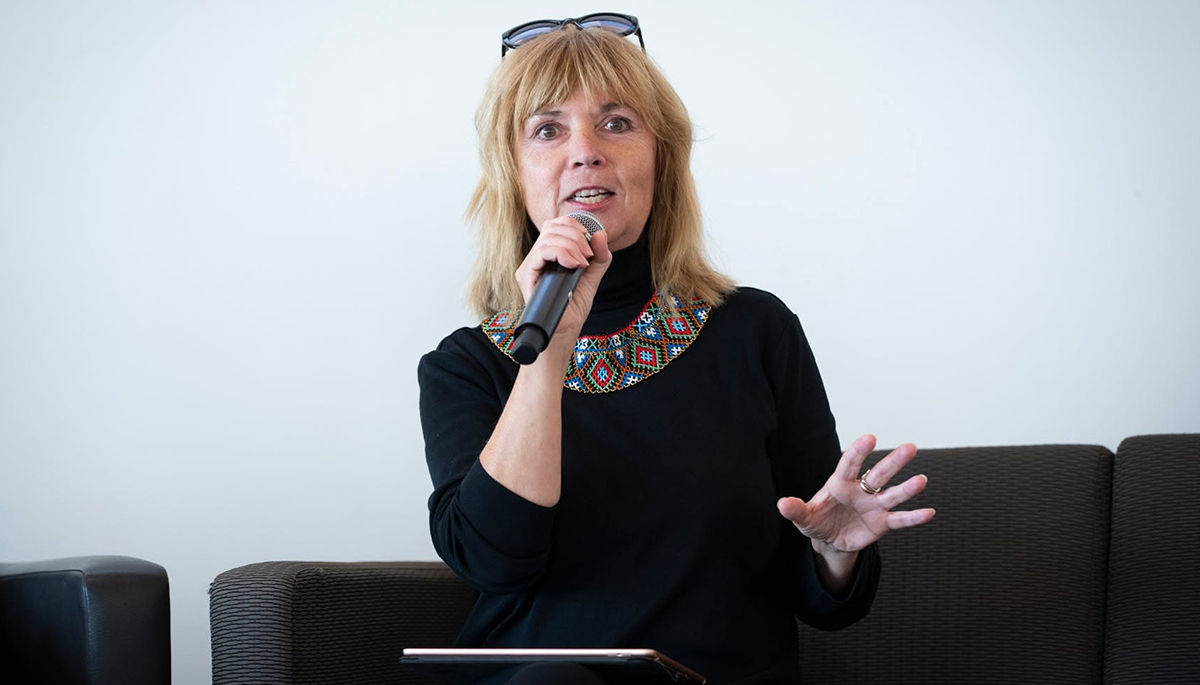
If you had to describe Detector Media in just three words, what would those words be?
Telekrytyka / Detector Media is a phenomenally unique space.
Do you remember your first contact with Detector Media or Telekrytyka?
I have the impression that TK / DM have always existed, because ever since I started conducting research on the Ukrainian media landscape, it was there. It has always been an interesting and substantive source of information, analysis, interpretation, and perspectives. But I do remember that Serhii Kvit, who later founded the School of Journalism at NaUKMA, introduced me to and recommended Nataliia Lygachova.
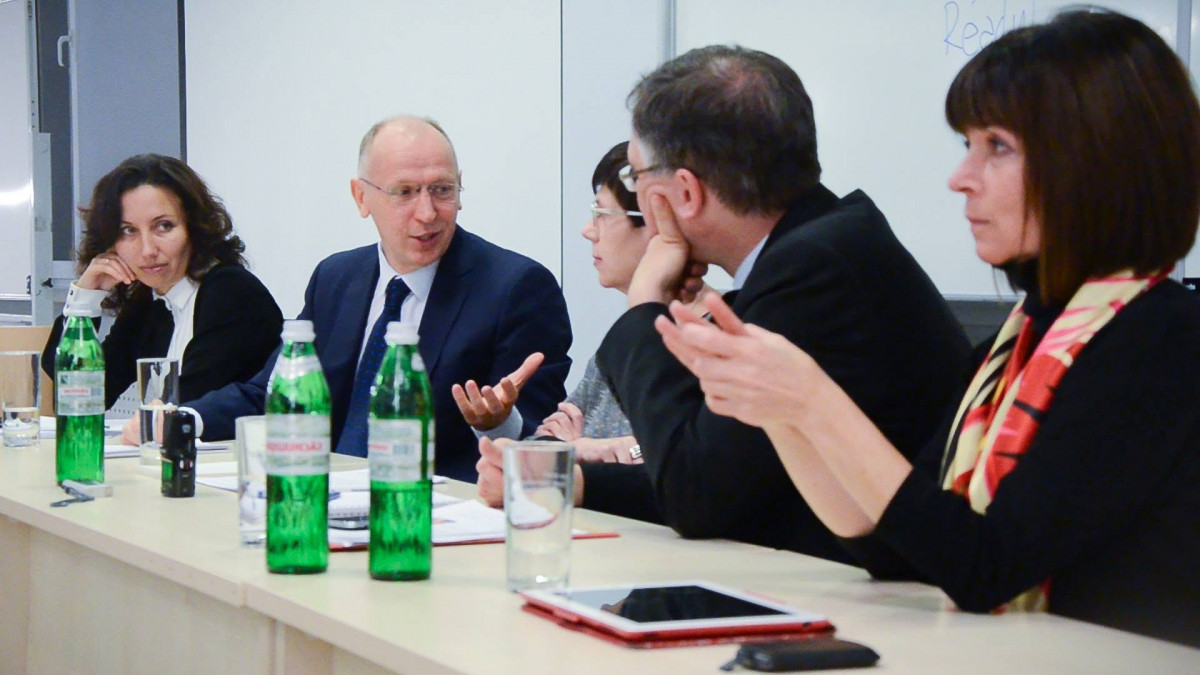
What do you wish for the team?
Further success!
Yanina Sokolova, journalist, presenter
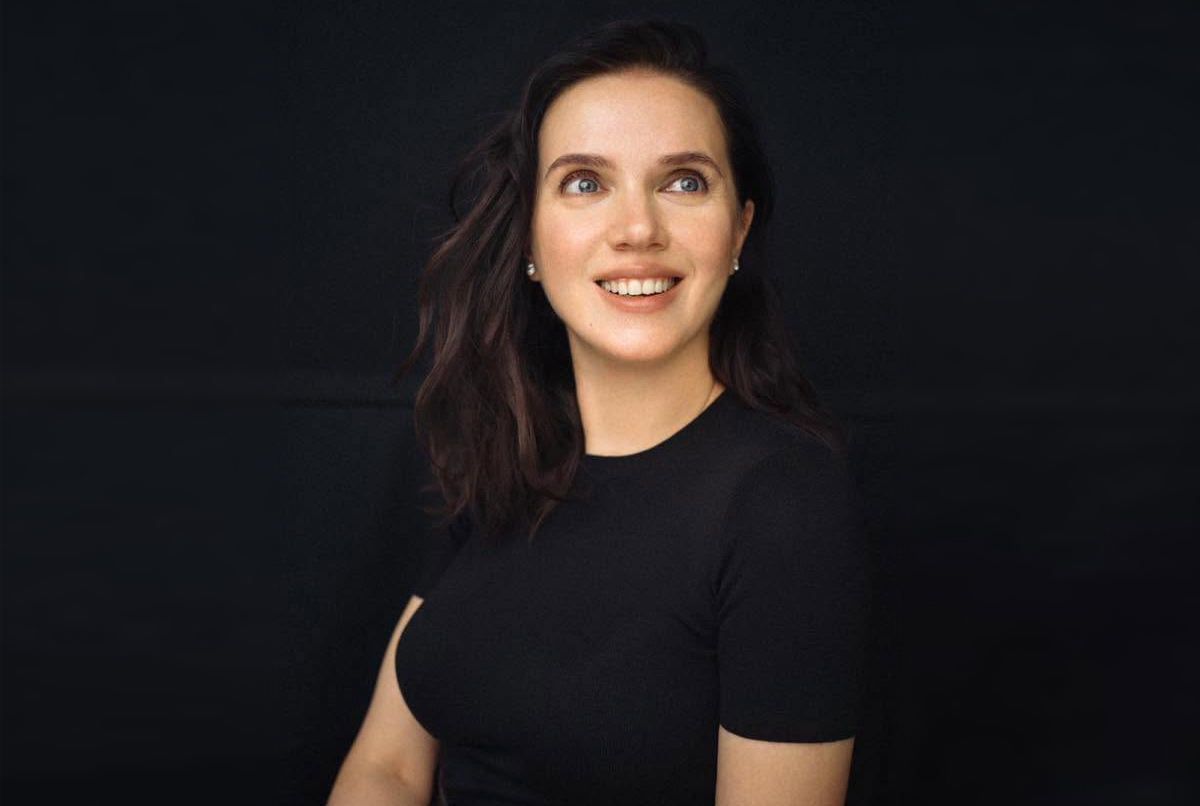
What was your first or otherwise memorable contact with Detector Media or, earlier, Telekrytyka? Do you remember a piece that affected or outraged you the most?
My first contact with Telekrytyka was a very long time ago — more than 15 years ago. At the time, I worked at 1+1, and then moved to Channel 5, and Telekrytyka did an interview with me. That was probably my first direct contact with the publication — not simply as a reader.
I like absolutely all the interviews published by Detector. It seems to me that the team approaches these interviews and the resonant questions very deeply, the questions whose answers you want to hear — and I usually find them at Detector. Of the most recent pieces, I really liked the interview with Yuliia Mostova. I read it twice — that is how strongly it resonated with me.
In your opinion, how has Detector Media influenced the Ukrainian media and public discourse, and Ukrainian civil society over these 25 years?
Detector Media has had a very strong influence on the Ukrainian media and public discourse. It has become a kind of litmus test not only of professionalism, but also of morality, responsiveness to the challenges of the times, and adherence to professional principles.
It seems to me that in the post-truth world, it is very important to have a mentor who helps media professionals measure the degree of their professionalism. For me, Detector Media is a kind of mentor in our imaginary journalism club. Likewise, in my view, Yuliia Mostova is a mentor within our imaginary journalists’ union.
Has DM’s criticism ever helped you improve a project or, on the contrary, hindered you?
Absolutely, it helped. It is always important to hear what colleagues think about what you are doing, especially professionals who have been analyzing media content for years.
What main character trait of the DM team would you single out over these 25 years of work?
Professionalism — that is the main trait. I would also name honesty and being contemporary. Despite the fact that many people call Detector Media a conservative publication, I feel the breath of modernity in it. I feel it in the texts, in the publication’s position — and I feel very close to that.
Describe DM in three words that would convey your thoughts about it.
Professionalism. Honesty. Modernity.
Roman Kifliuk, media expert, National Advisor for Ukraine at International Media Support (IMS)
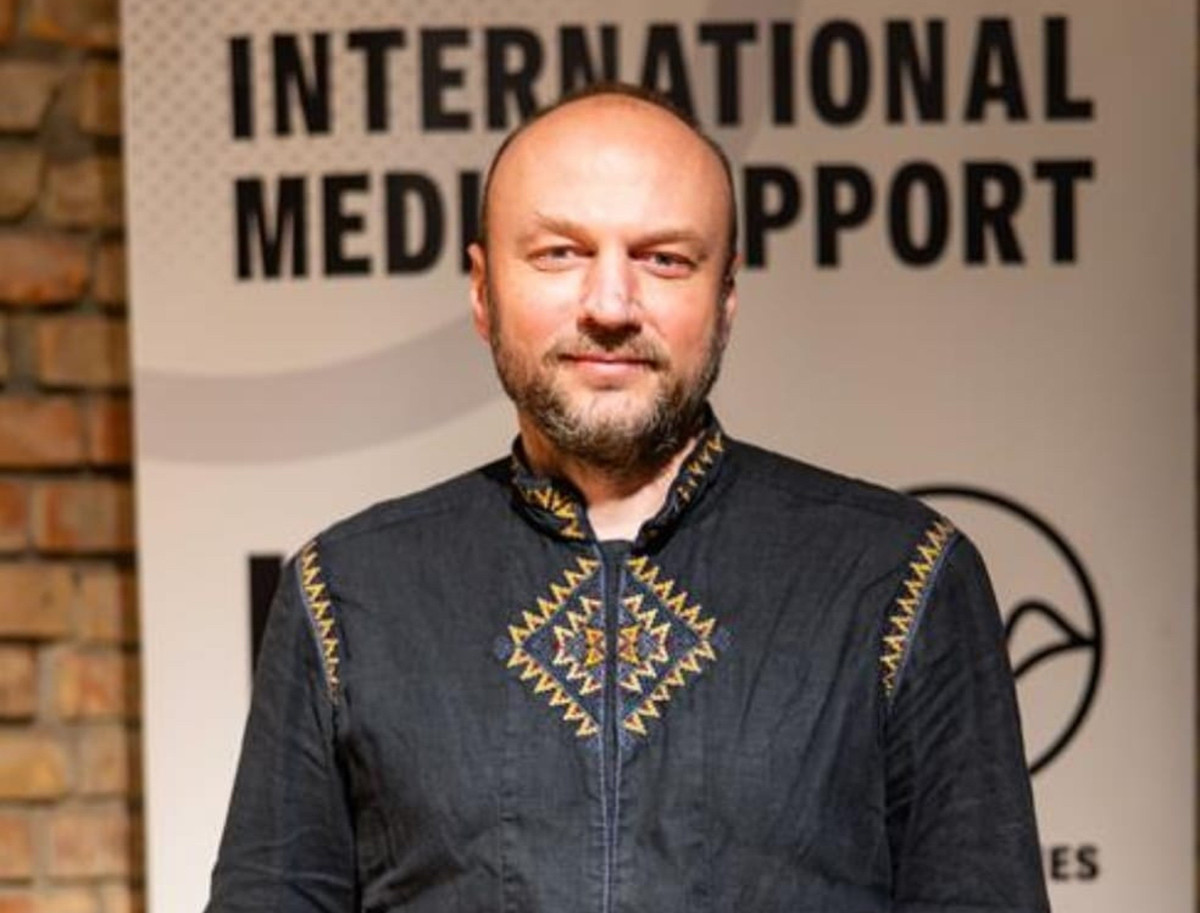
What was your first or otherwise memorable contact with Detector Media or, earlier, Telekrytyka? Do you remember a piece that affected or outraged you the most?
At the beginning of my work at the National Council, I worked in the organizational department, where we were responsible for organizing the Teletriumph Award. And I read about it on Telekrytyka to look at the event in which I played a modest role from the outside. My cooperation with DM became more conscious when, as members of the Independent Media Council, we provided expert opinions on materials that showed signs of inciting hostility under the old Law of Ukraine “On Television and Radio Broadcasting.” At that time, since 2014, I headed the National Council’s Department for Monitoring and Analysis of Television and Radio Broadcasting, and those opinions were very helpful in substantiating the National Council’s decisions on imposing sanctions.
In your opinion, how has Detector Media influenced the Ukrainian media and public discourse, and Ukrainian civil society over these 25 years?
For me, DM’s important role in the creation and development of Public Broadcasting is probably its most valuable contribution to the development of the country’s media ecosystem, since an independent, high-quality, and strong Public Broadcaster is an indispensable sign of a democratic society.
I would also like to mention the media literacy index study that DM conducted for many years with the support of Denmark and the UNDP. This is a very high-quality study that is constantly evolving, just like our society, and makes it possible to outline the state of affairs in this area and provides answers to numerous questions that subsequently become the basis for many projects in the media sphere.
Have there been times when you disagreed with Detector Media, its assessments or criticism? Did you discuss this publicly or privately?
There probably were some moments, but I think they were not critical, since in terms of values I am mostly in solidarity with the views of DM’s authors. Publicly, I almost always express my opinion during events organized by DM.
If you had to describe Detector Media in one word, image, or association, what would you choose and why? Describe DM in three words that would convey your thoughts about it.
Chroniclers — keepers of historical memory.
How would you like to see Detector Media over the next 25 years, and what would you wish for its team?
I would like to wish you resilience and sustainability, including that Nataliia Lvivna should continue to remain the editor-in-chief.
What main character trait of the DM team would you single out over these 25 years of work?
Principledness and expertise.
Vlasta Lazur, journalist, presenter at Radio Free Europe/Radio Liberty and Suspilne
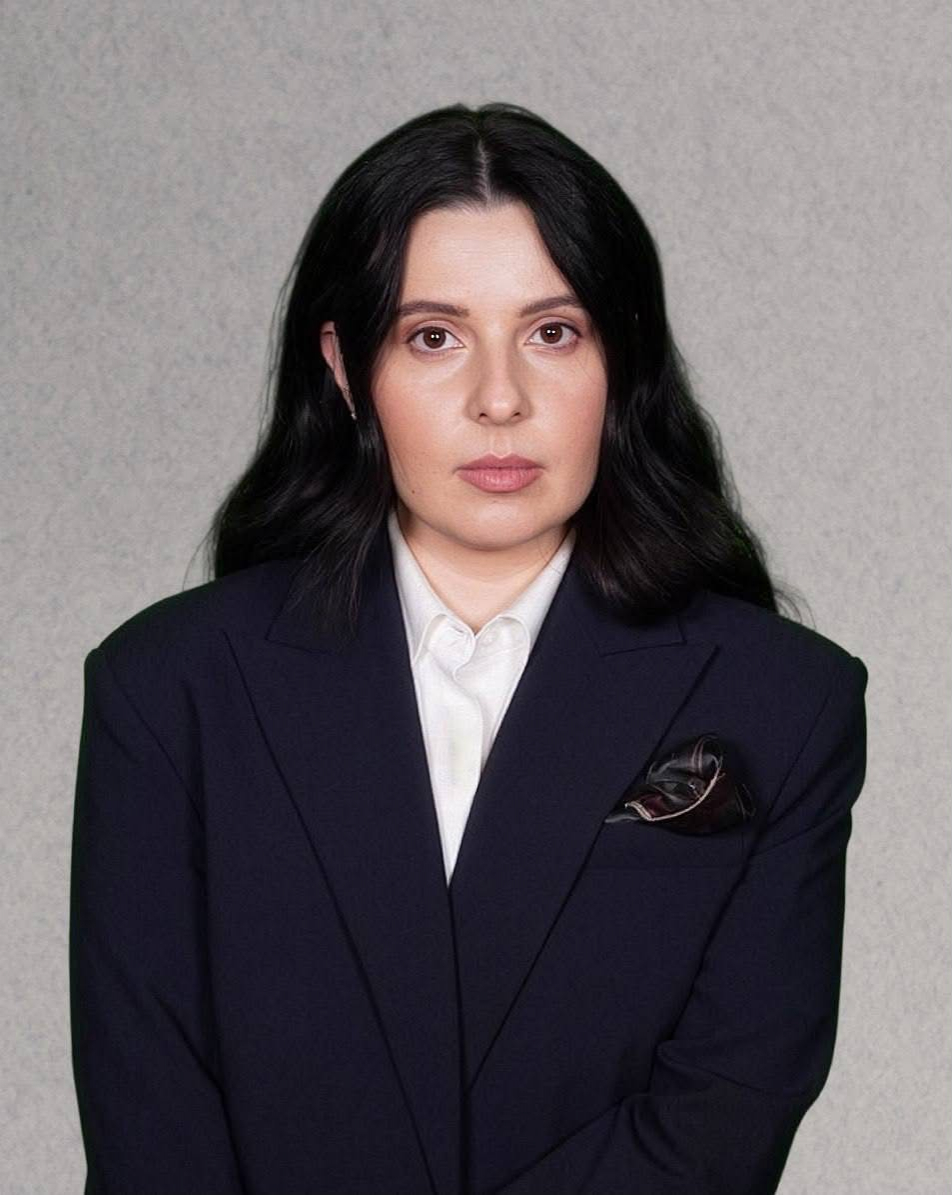
Have you ever been in a situation where you fundamentally disagreed with DM’s criticism? Did you discuss it publicly or perhaps privately with the editorial team — and were your arguments heard?
You know, there is this well-known meme character who talks out loud to the television. Well, I periodically catch myself realizing that I am exactly that character, only I talk out loud with Detector Media’s criticism.
Of course, there have been situations when I categorically disagreed with the assessments. In such cases, I did not remain silent: I wrote directly to the authors, and we continued the discussion within the media community. I do not consider the author of criticism to be the final authority or the bearer of absolute truth, but I am wholeheartedly “for” the institution of television criticism itself. And DM deserves great credit for creating this institution in Ukraine virtually from scratch.
Has criticism from DM ever helped you improve your projects or, on the contrary, annoyed you?
It helped, and sometimes it even worked proactively. There were situations when, before launching a project or entering a difficult stage in it, I needed a professional outside perspective or advice, and I would approach the authors of Telekrytyka / DM myself — for a kind of “preventive criticism.” It really helped me a great deal in my work, and I am extremely grateful to them for their willingness to cooperate. I sincerely dream of Ukraine having strong, in-depth, and objective television criticism, and I place great hopes in this specifically on DM.