Українською читайте тут.
For more than three years, the editorial team has been collecting testimonies from the occupation. Journalists tell the stories of people’s lives, resistance, and the crimes of the occupiers so that these territories do not disappear from the Ukrainian and global information agenda.
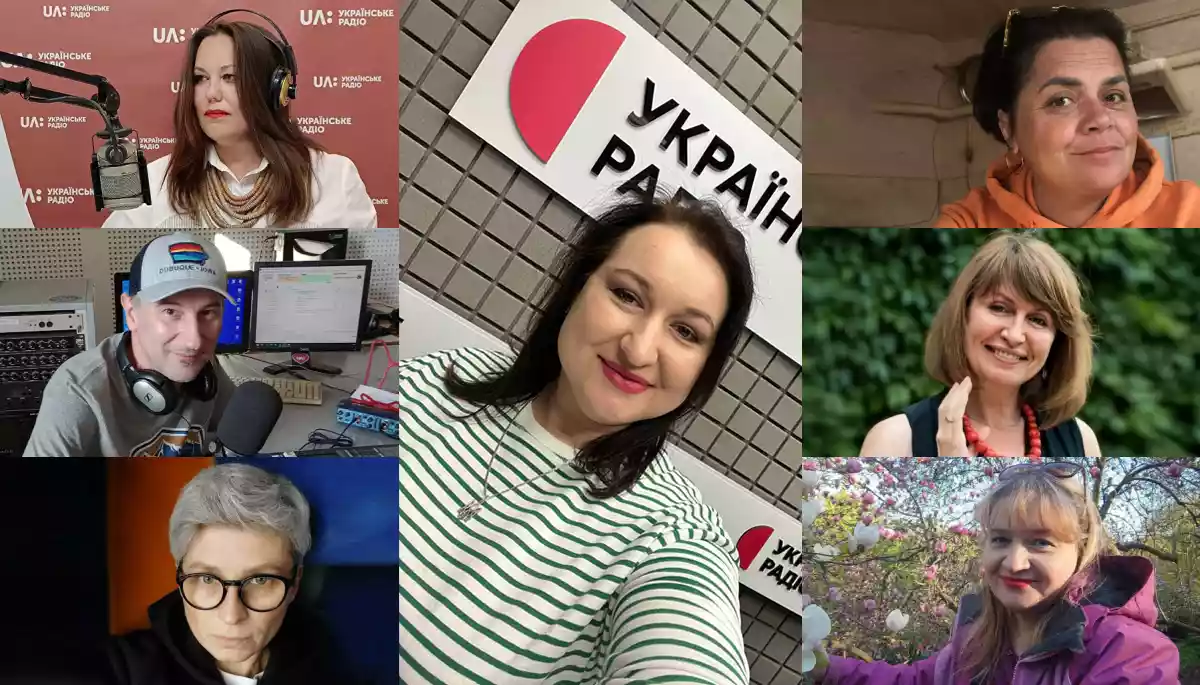
The editorial office broadcasting to de-occupied and temporarily occupied territories of Ukrainian Radio was created three and a half years ago. Its initial team included radio professionals from the Suspilne Donbas branch — Viktoriia and Oleksandr Marchenko and Alina Shevchenko — as well as correspondents of Ukrainian Radio from Kherson. The head of the editorial office was Oleksandr Marchenko, and after he joined the ranks of the Armed Forces of Ukraine, Viktoriia Marchenko became the head and has held this position for three years. The team now consists of seven people, including Kherson-based journalist Marharyta Laznyk, Larysa Bilozorova, who moved to the capital from Donetsk in 2014, Alina Shevchenko from Luhansk (who has lived in Poltava since 2022), as well as colleagues from other regions — Iryna Sanduliak from Lviv and sound engineers Mariia Petrychenko from Kyiv and Serhii Tkachuk from Lutsk.
The team produces the information-analytical program “Territory of Struggle,” which covers temporarily occupied territories, as well as frontline and de-occupied areas. The 20-minute program airs on Ukrainian Radio on Wednesdays and Fridays. They also produce the digest “Diary of Resistance” — a daily news roundup about temporarily occupied territories, broadcast on weekdays at 15:40.
Viktoriia Marchenko: Occupied territories are not just places where flags have changed — it is people’s suffering and the destruction of everything
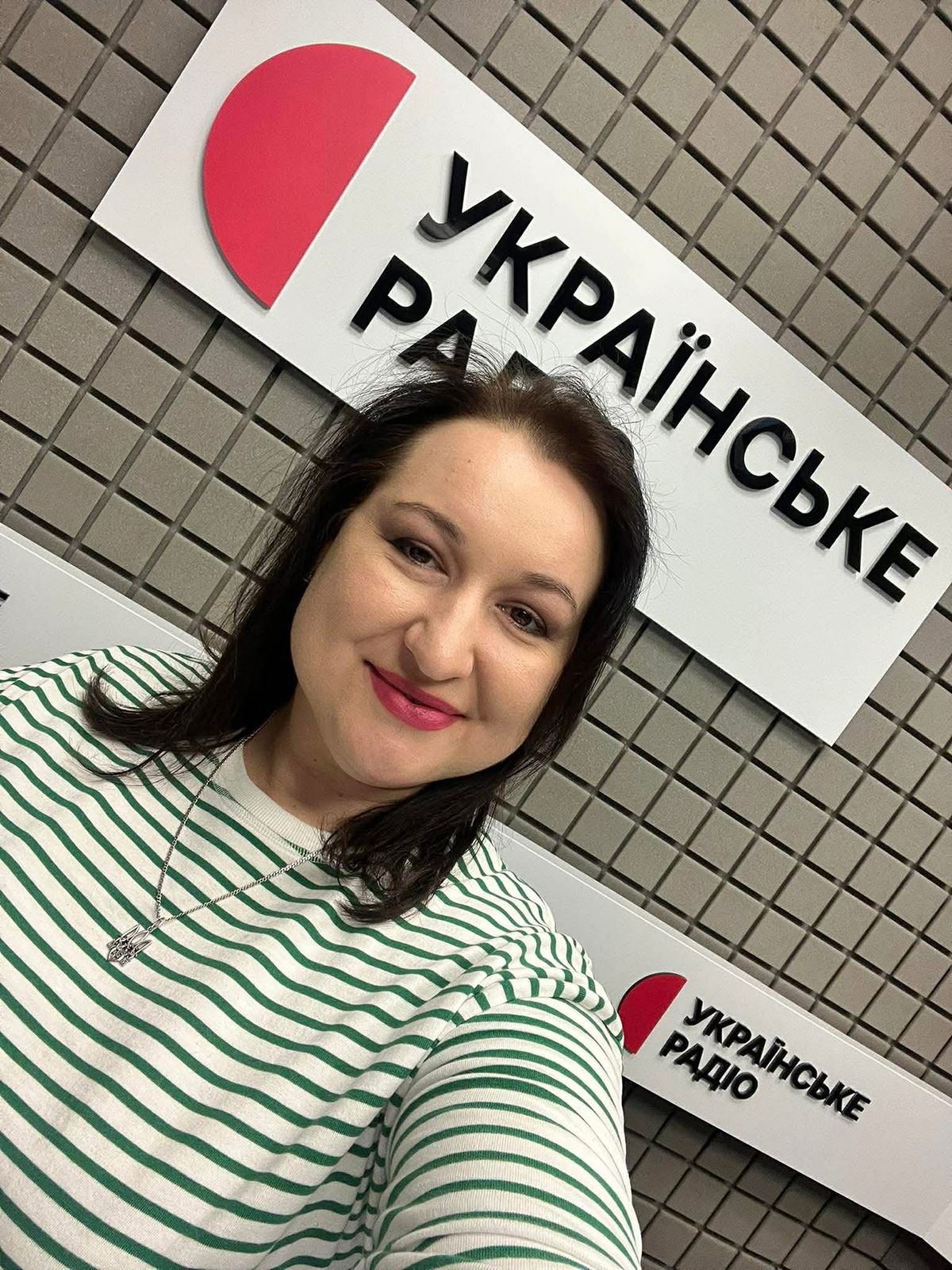
Viktoriia Marchenko
Viktoriia Marchenko, the head of the editorial office, is from the Luhansk region. Before the full-scale invasion, she worked at the Luhansk Regional State Television and Radio Company — on the regional radio station “Puls.” In 2014, after the occupation of Luhansk, she and her team moved to Sievierodonetsk, where they rebuilt the broadcaster from scratch, which later became the Suspilne Donbas branch. After the start of the full-scale invasion, she moved to Kyiv.
“With the beginning of the full-scale invasion, the management of Ukrainian Radio decided to create a separate editorial office that would broadcast to temporarily occupied frontline territories. Later, de-occupied territories were added, and we began covering topics relevant to these areas. Everyone understands what information warfare is and that it is essential to talk about temporarily occupied territories and what is happening there. We have no physical possibility to go there — not to mention that it is dangerous — and if we do not talk about it, these territories will very quickly disappear from Ukraine’s information space. We must speak about it because it is important,” says Viktoriia Marchenko.
She believes this is important both for people who remain in temporarily occupied territories and for those living in areas controlled by Ukraine.
“People with a pro-Ukrainian position remain in temporarily occupied territories, waiting for liberation. Each of them has their own reason for staying. It may be elderly parents, or financial reasons. Moreover, leaving now is a very complicated process. As journalists, we must talk about these territories so that people in Ukraine know what is happening there, that occupation is something truly terrifying,” Marchenko explains.
The journalist says they receive information about life in occupied territories from several sources. They use open sources — occupation media and Telegram channels. They also communicate with people living in occupied territories, and here the priority is their safety and never revealing identities, as if such communication is discovered, occupiers may imprison a person or, worse, they may simply disappear.
“The safety of our sources is extremely important to me. We never use voice messages — usually it is text messages they can send us. Everything is quickly deleted on both their side and ours. I will honestly say that the further it goes, the harder it becomes to obtain information. Each time, the risks are enormous. We all remember the case when the occupiers sentenced the Ryzhov couple from Novoaidar in the Luhansk region simply because they wrote to relatives that their hospital was no longer for civilians but had become a military hospital. These are always very high risks, and for me, the safety of our people comes first. No report, no piece of information is worth a life or health, so we are very careful in obtaining this information. We will never force them, never pressure them,” says Viktoriia Marchenko.
According to her, obtaining information from occupied territories becomes harder every year, as occupiers apply increasingly harsh measures and tighten control.
“Our sources have phones. They leave them at home and go outside with basic push-button phones. The situation in territories occupied from 2014 to 2022 has deteriorated significantly — it is like 1937… People with pro-Ukrainian views are afraid; it is scary even to talk to neighbors. Getting any information is difficult because people no longer trust anyone. In general, it is very hard to obtain information because Telegram is blocked, and WhatsApp has long been blocked there. VPNs still work somehow, but there are constant issues. Another frightening thing is that providers can track this information,” the journalist explains.
Despite these dangers, people with pro-Ukrainian views remain in occupied territories — and try to pass on information.
“We even argue with some of our sources when they send us greetings for Independence Day or Ukrainian Language Day. I understand they are waiting for liberation and are in pain. They send us postcards. I tell them: ‘My God, please don’t do this, because it is very dangerous and scary,’” says Marchenko.
The editorial team covers social and humanitarian topics in “Territory of Struggle,” including limited access to medical services in occupied territories and the militarization of Ukrainian children.
“What the occupiers are doing to Ukrainian children is an extremely important topic. They are rapidly opening so-called ‘cadet classes,’ various movements like ‘Yunarmiya,’ and introducing the subject ‘Conversations about Important Things’ in schools. Children are required to attend, where they are told about Russian policy and how to be Russians. Every Monday begins with the Russian anthem; they are forced to sing it aloud, pronouncing every word. The worst part is that children cannot refuse. What is happening to them is very painful for me. We see it, we monitor it. Ukrainian identity is being destroyed — they are raising future soldiers for the Russian army,” says Marchenko.
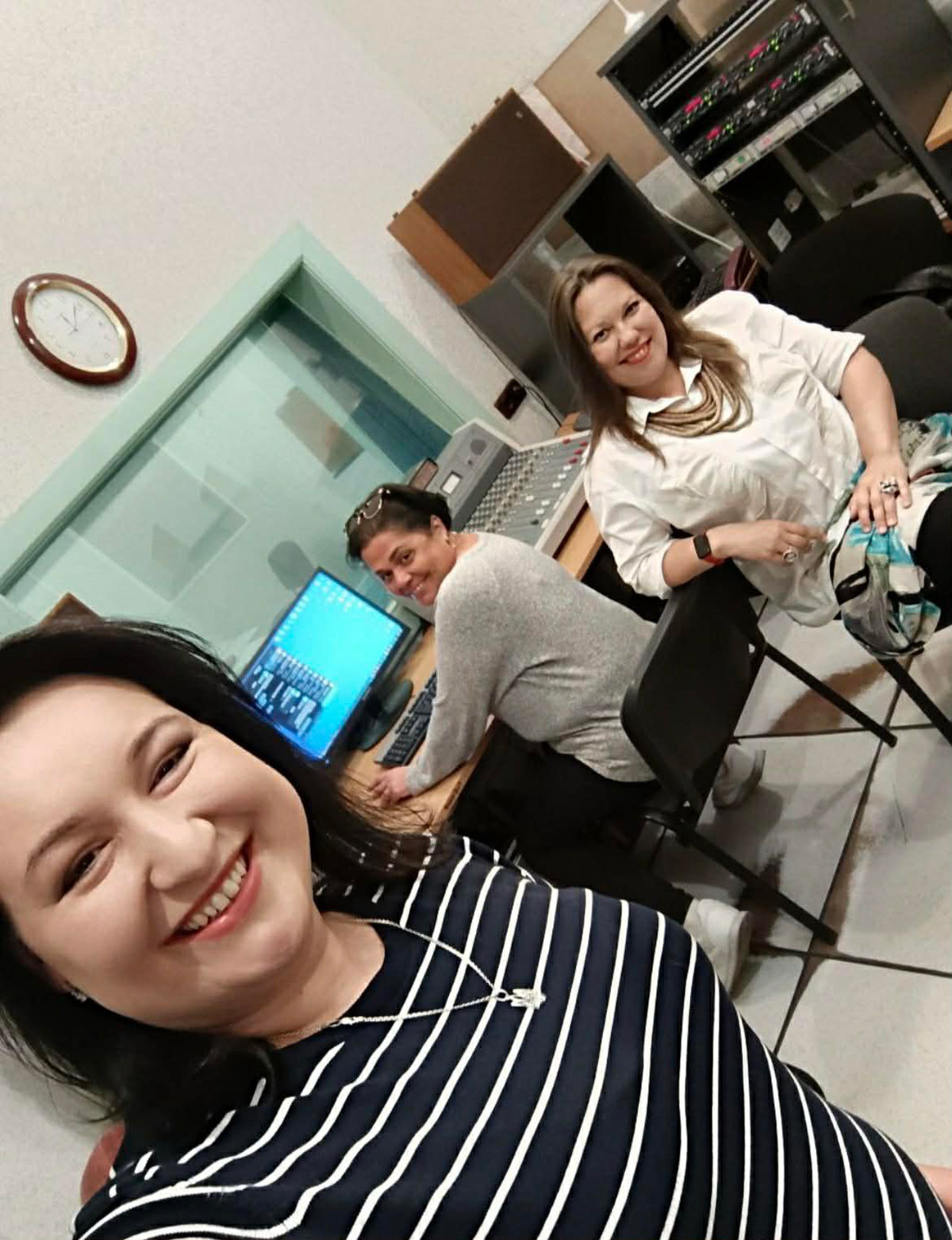
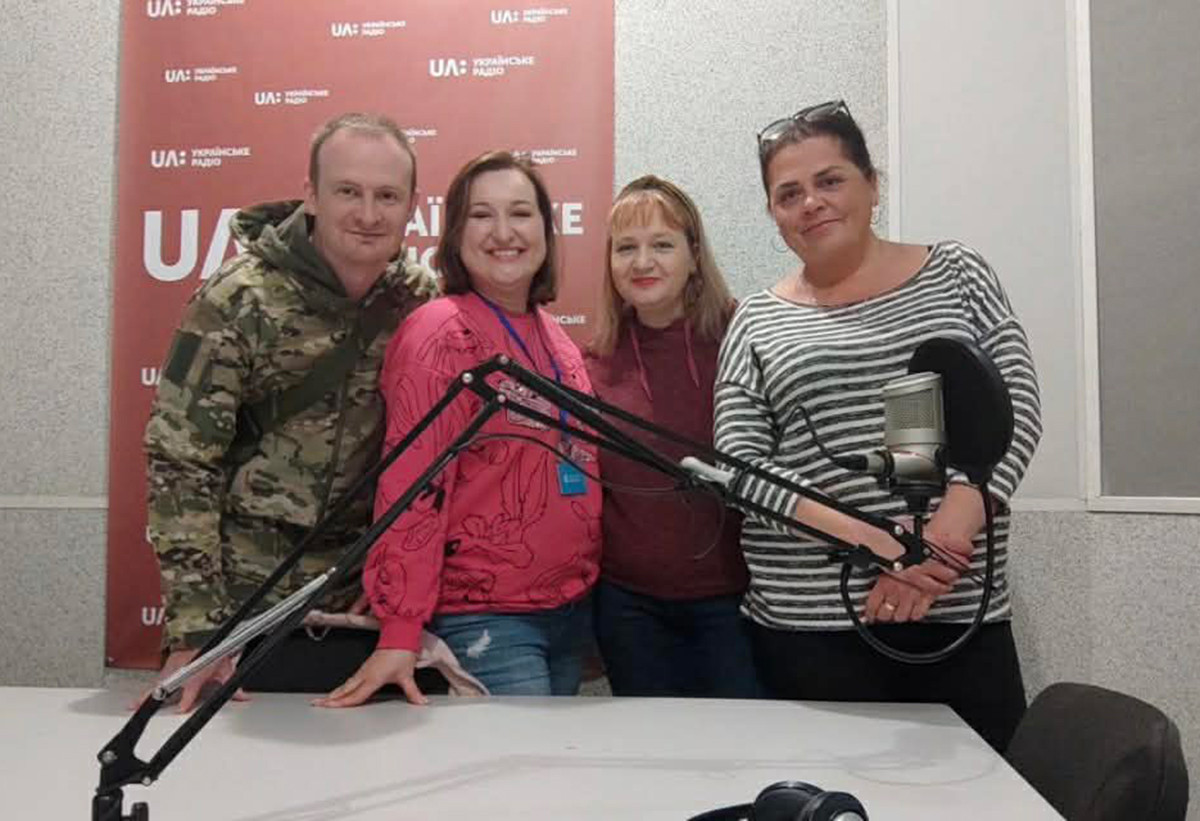
Viktoriia Marchenko, Mariia Petrychenko, Marharyta Laznyk
Another topic the journalists cover is leaving the occupied territories. Marchenko notes cases where people who evacuated in 2022 from Donetsk or Luhansk regions want to return because occupiers have introduced their own laws, and those who did not re-register their property risk losing it.
“People are now returning or want to return — especially older people. They evacuated in 2022. Of course, they do not have Russian documents. And even getting to the occupied territories is a question. They must travel via Sheremetyevo and go through filtration in Moscow airports. Many simply do not pass it. That is why we always urge people not to do this. Some acquaintances ask me: ‘Vika, can my mother go and handle this paperwork?’ I say: ‘No, under no circumstances.’ It is good if she simply fails the filtration and is sent back. But it can be dangerous — she could be taken somewhere,” says Marchenko.
According to her, the audience is most interested in materials about deportation or the return of children, as well as leaving the occupation. However, she notes with regret that interest in topics related to occupied territories is declining.
“I cannot judge people, but sometimes they say they are no longer interested in what is happening in the occupied territories. And you tell them that to maintain our internal resistance, we must know this information. And also so that no one ever thinks: ‘Maybe we can negotiate?’ No, we cannot,” says the journalist.
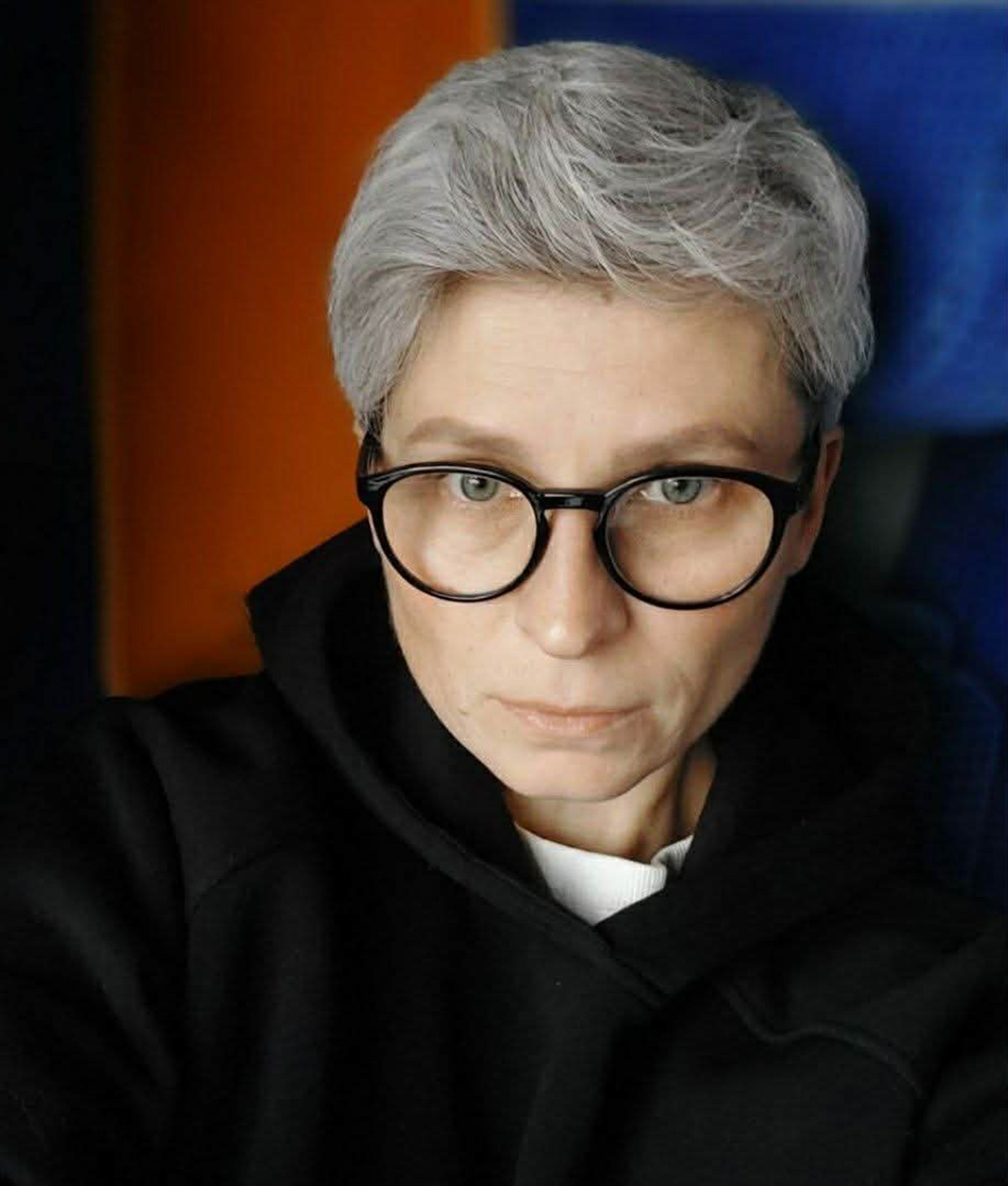
Iryna Sandulyak
In her opinion, the national media do not pay enough attention to this topic. The issue is not a lack of information, but a loss of interest.
“I am in my own bubble, and it seems to me that everyone talks about it. But in reality — no. Sometimes I hear journalists say, ‘We measure metrics, and the topic of occupied territories lowers ratings, so we drop it.’ I believe materials about occupied territories are essential. People must know what is happening there; the world must know. Occupied territories are not just places where flags have changed — it is people’s suffering and the destruction of everything. We must see what they are doing, how they change children’s consciousness by banning the Ukrainian language. This must be seen so that no one ever thinks about giving away part of the territory to end this tomorrow. It will not end. We saw what happened in 2014 and what it led to. It is important to talk about this a lot,” says Viktoriia Marchenko.
Marharyta Laznyk: Ukrainian Radio is heard on the left bank of the Kherson region
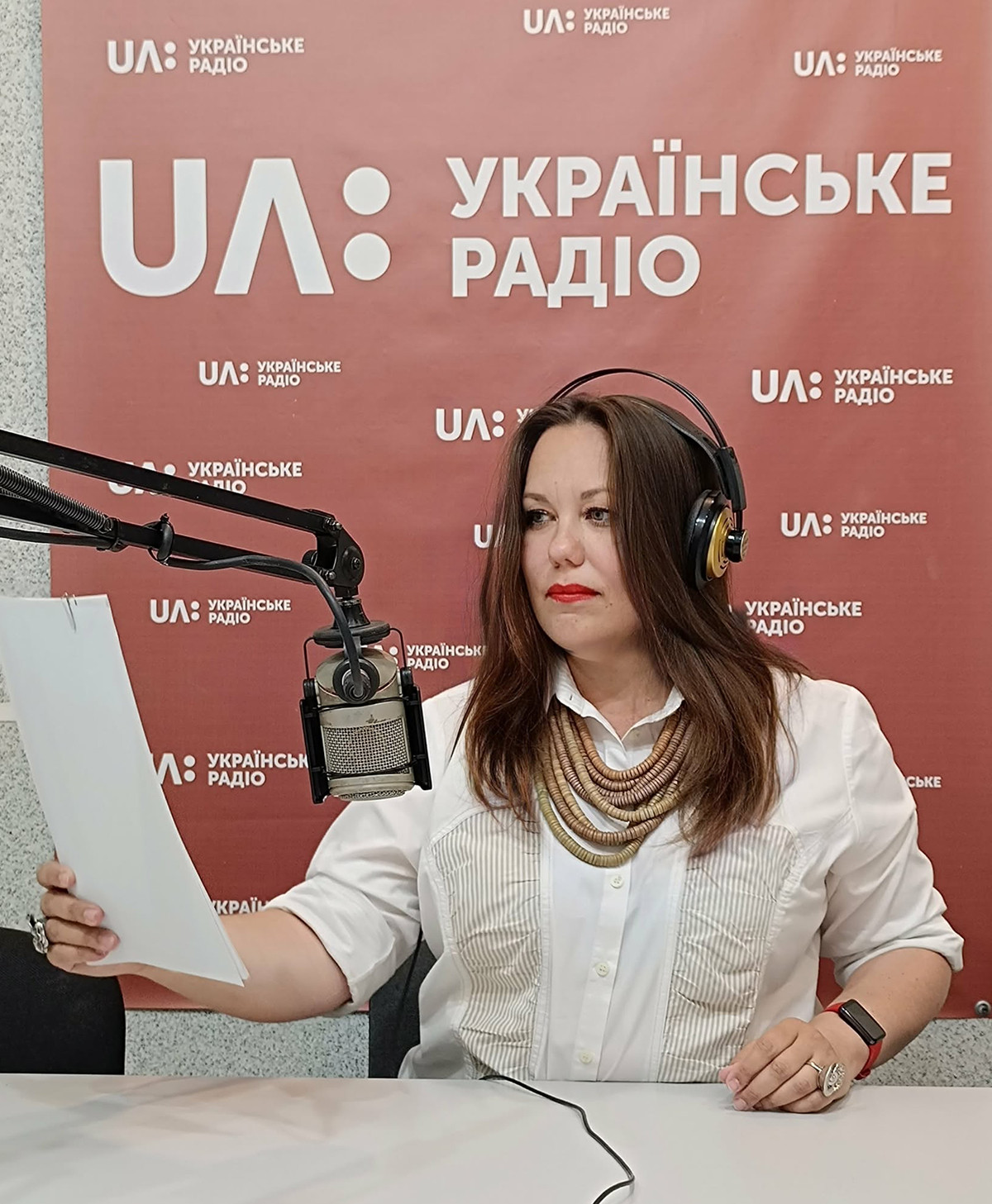
Marharyta Laznyk
Journalist Marharyta Laznyk has worked at Ukrainian Radio Kherson since 2018. She remained in the city when it was seized by Russian forces and continued working throughout the occupation of Kherson. She joined live broadcasts to report on the situation, the crimes of Russian occupiers, and the resistance of local residents.
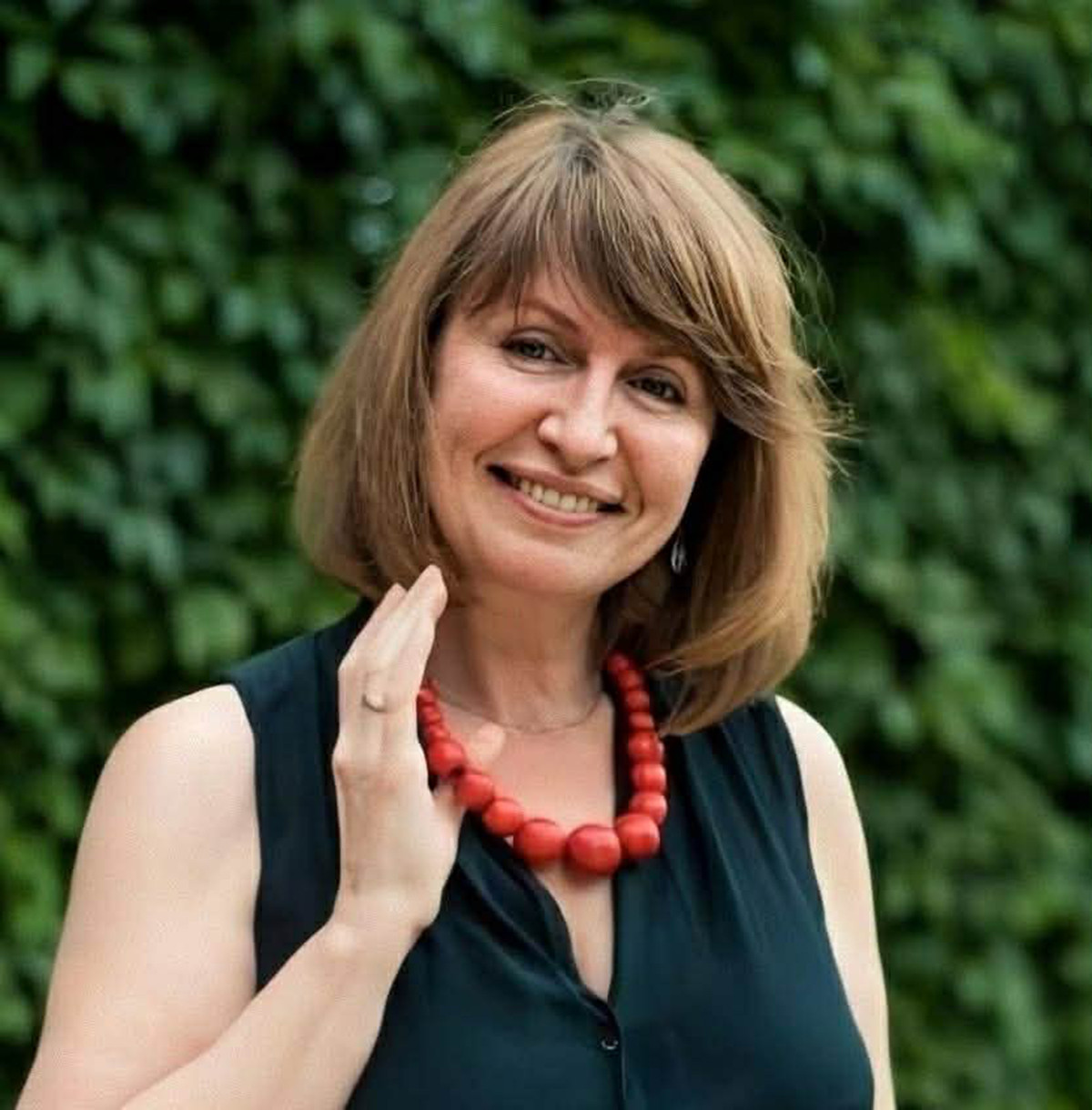
Larysa Bilozerova
One of the happiest moments for her was the day she was able to announce on air that Kherson was free. Now she dreams of the day she will announce the liberation of the entire Kherson region. That is why in 2022 she joined the editorial team broadcasting to de-occupied and temporarily occupied territories and continues reporting on life in the occupied left bank of the Kherson region.
“Since most of my materials are about temporarily occupied territories of the Kherson region and I am from Kherson myself, I have many acquaintances on the left bank. Most of them have left, of course, but some remain for various reasons. I manage to stay in touch with them. We agree that once a week or once every two weeks, they can take a hidden phone — because safety is the priority — and contact me to tell what is happening,” says Laznyk.
She emphasizes that this is not just information — behind every testimony is a human life, someone taking great risks. Therefore, safety measures are essential.
“People there are incredibly brave. I am proud to know such people who remain under occupation and still try to report what the occupiers are doing. They check mobile phones, monitor social media activity. For any contact, you can be taken ‘to the basement.’ If you are lucky, you are released — maybe beaten. But you can also be killed or sentenced for supporting the Ukrainian army or on fabricated charges,” she says.
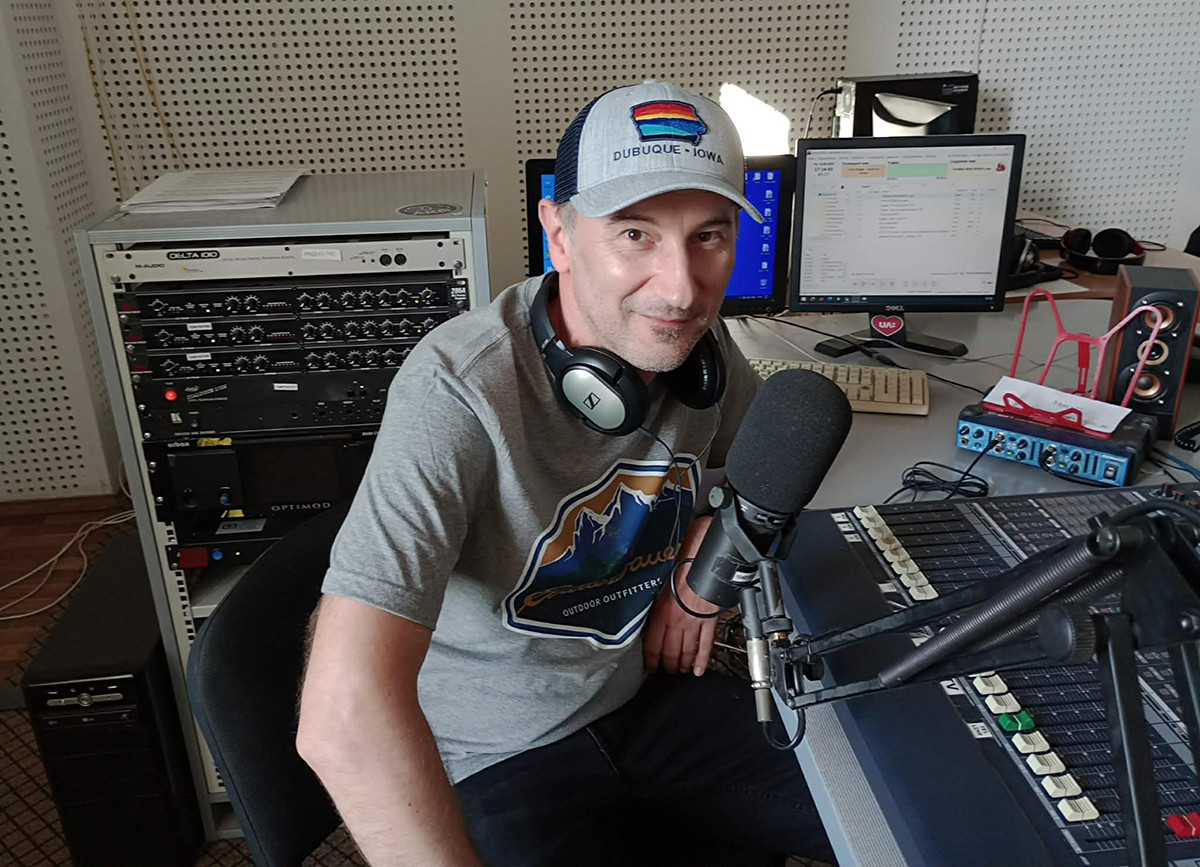
Serhii Tkachuk
According to Marharyta Laznyk, her work with people from the temporarily occupied territories is a sign of their trust, and therefore, the task of the editorial team’s journalists is to do everything possible not to betray that trust and to preserve the anonymity of their testimonies.
“We do not name them on air, do not use direct quotes. We take the information and have colleagues read it for broadcast, or we rewrite it into text. It is important that words are not taken out of context. I try to preserve their tone, to speak as if in their voices. We do not name people, not even their settlements. It is extremely dangerous,” she explains.
She knows that Ukrainian Radio is heard on the left bank of the Kherson region. People tell her this — it is important for them to be heard and to hear information from Ukraine.
“They hear us. There are several ways. They ask when the broadcast will air to tune their receivers. They listen on AM frequencies, medium wave. Some try to listen online via VPN, but it is much harder now due to internet and VPN restrictions. Russian authorities constantly block it, and Ukrainian Radio is on ‘blacklists,’” Laznyk says.
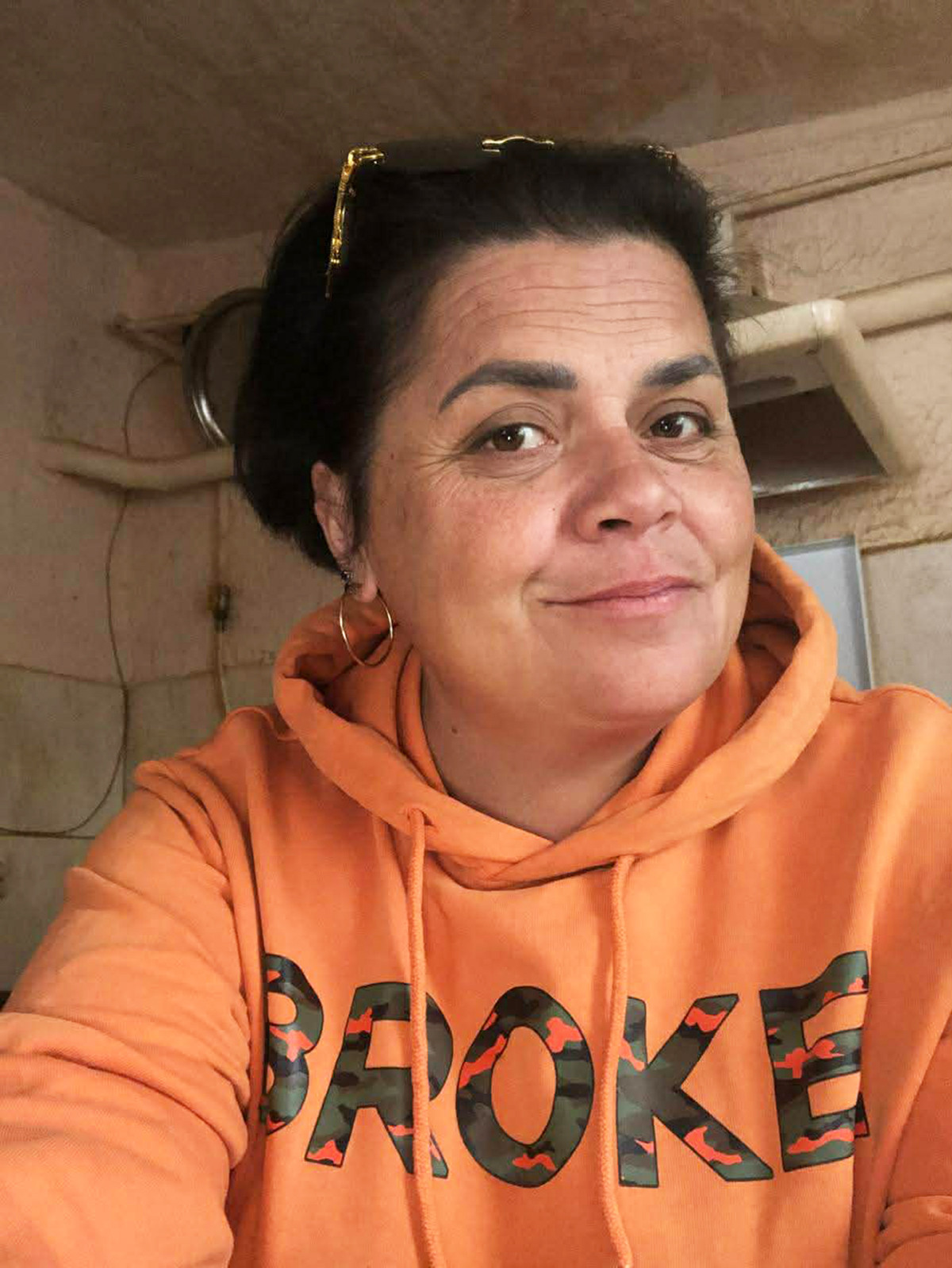
Mariia Petrychenko
She adds that people try to maintain a connection with Ukraine through news and programs. “It is very important for them to hear that they are not forgotten, that we talk about them,” she explains.
Marharyta Laznyk adds that, in addition to direct communication with people under occupation, to obtain information about the temporarily occupied territories, she also has to monitor Russian propaganda channels. There, she has found confirmation of what she hears from her sources — that in the occupied territories of the Kherson region, people are waiting for liberation and continue to live with Ukraine in their hearts.
“I saw an interview with Saldo, where he said that in four years of occupation, they failed to break local resistance. He complained that residents listen to Ukrainian news via satellite dishes and radio, and they cannot influence them. Then I realized we are heard not only in my bubble. If even that despicable traitor says this, then our work is not in vain,” she says.
Having lived through occupation herself, Laznyk understands those who remain.
“I am from Kherson, and part of my home is still there. When I work on these topics, it is not abstract — it is about me, my home, people I may have known. I feel their pain,” she says.
She believes the topic of occupied territories is underrepresented in the media, and she tries to cover it as much as possible. “People there want to be heard, to be known, to be talked about. It matters to them — just as it mattered to us when we were under occupation, that Kherson was not forgotten,” she says.
At the same time, she understands the challenges — lack of information and sometimes the impossibility of obtaining it.
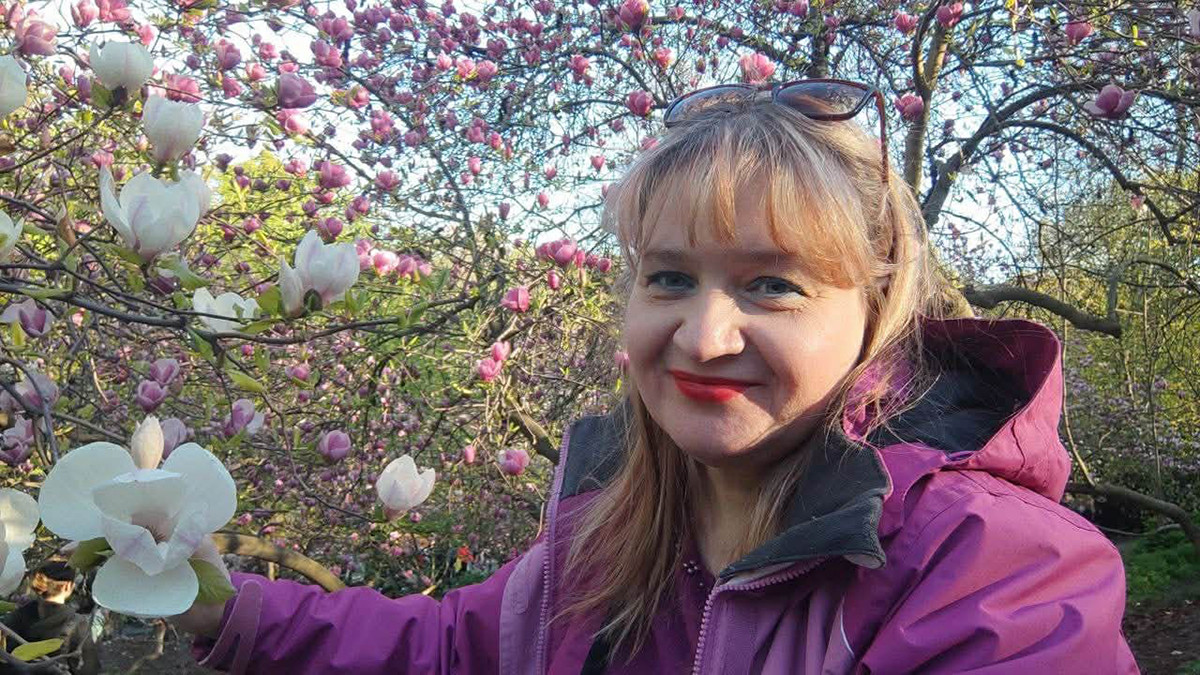
Anna Shevchenko
“Not everyone wants to talk — it is deadly dangerous. For any word, they can be taken ‘to the basement’ or killed. But many journalists and organizations continue to monitor the situation and raise the issue. What is happening there is truly horrific,” Marharyta Laznyk concludes.
This material was created with the support of the Partnership Fund for a Resilient Ukraine, funded by the governments of the United Kingdom, Estonia, Canada, Norway, Finland, Switzerland, and Sweden.
Photos provided by Viktoriia Marchenko and Marharyta Laznyk.