
Українською читайте тут.
No matter how important the creation of cultural content is, it does not eliminate the need for sustainable, long-term strategic development of the cultural sector.
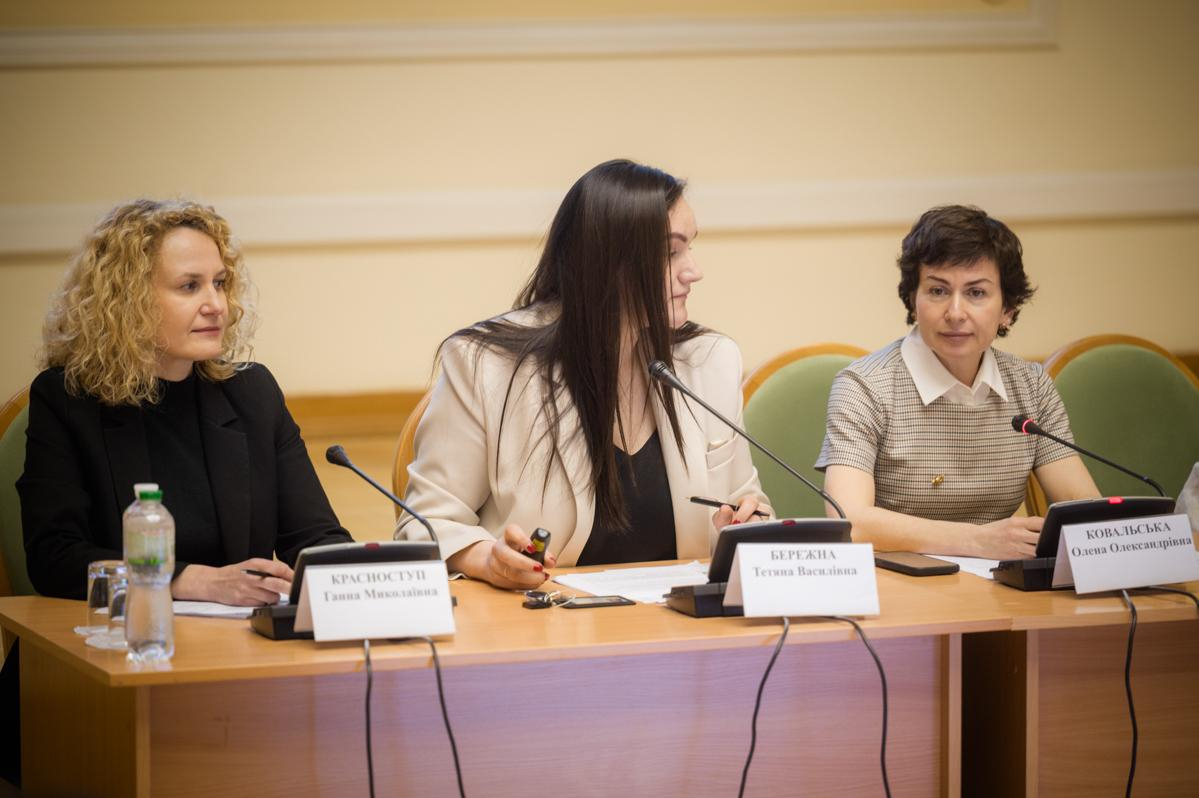
Among several other steps taken by the renewed team of the Ministry of Culture, led by Tetiana Berezhna—such as drafting a Cabinet resolution on the evacuation of museum collections or developing the Ukrainian Cultural Heritage Fund—one of the most discussed initiatives in the cultural community remains the program to support Ukrainian culture initiated by President Volodymyr Zelenskyy. Initially titled “1,000 Hours of Ukrainian Content,” it was officially launched by the Ministry of Culture on April 3 under its new name, “Thousand Spring.”
Detector Media has analyzed the architecture, logic, and key components of this program, its strengths and pain points, and how it may affect the current state of Ukraine’s cultural sector.
Idea, goals, and project architecture
The state program “Thousand Spring” is intended to become the largest national project for the creation of cultural content and will be implemented by the Ministry of Culture in cooperation with the Office of the President.
“The goal of this program can be formulated as follows: through modern cultural products, to shape a generation that feels a sense of belonging to its country, thinks in Ukrainian meanings, and is resilient to external informational influences,” said Minister of Culture and Deputy Prime Minister for Humanitarian Policy Tetiana Berezhna during the launch briefing.
“In addition, we very much want every Ukrainian child to grow up with Ukrainian songs, Ukrainian fairy tales, and stories about real people who defended Ukrainian land. This is precisely the mission of this initiative,” she added.
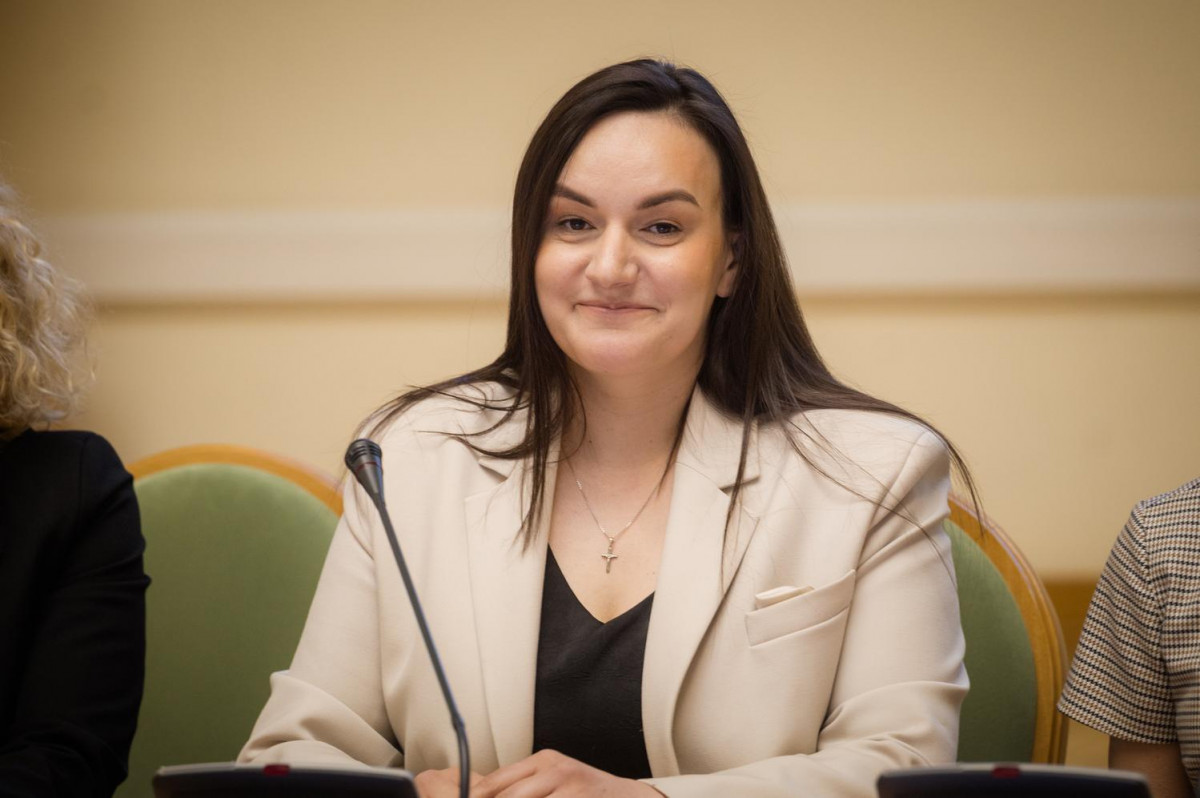
According to the program’s website, the goals of “Thousand Spring” are to:
- increase the production of Ukrainian cultural content;
- make it competitive for mass consumption;
- ensure access to audiences;
- strengthen the presence of Ukrainian content.
Over the past few months, since the first official announcement, the Ministry of Culture has significantly refined the program, including conducting a study on cultural content consumption together with the research company Gradus and holding a strategic session with representatives of the cultural sector.
Among other findings, the Gradus study shows that 71% of respondents still regularly consume Russian-language content. At the same time, 59% of teenagers aged 14–17 (one of the program’s key target audiences) do so at least once a week, and 15–25% of respondents across different age groups do so daily. Another insight is that the relatively high level of Russian content consumption is partly due to a lack of high-quality Ukrainian alternatives (although it must be acknowledged that their number has increased significantly in recent years).
The study also indicates a fairly high level of bilingual content consumption (24–39%, depending on the topic). Accordingly, the state aims to reduce the share of Russian-language content consumption by increasing the availability of Ukrainian-language content.
“High-quality Ukrainian cultural content should become a natural choice that will logically displace Russian content from Ukrainians’ consumption,” Berezhna explained.
At the core of this issue lies not only the availability but also the quality of Ukrainian-language content. While a strategy of “flooding the sector with money” may yield some results, it is doubtful that they will be quick. Moreover, achieving noticeable outcomes may require such substantial funding that it raises questions about cost-effectiveness.
Content areas, budget structure, and project themes
The program plans to support the production of:
- feature films and series;
- documentary films and series;
- animated films and series, as well as children’s content;
- contemporary music;
- performing arts;
- visual arts;
- audiovisual shows and social media video content.
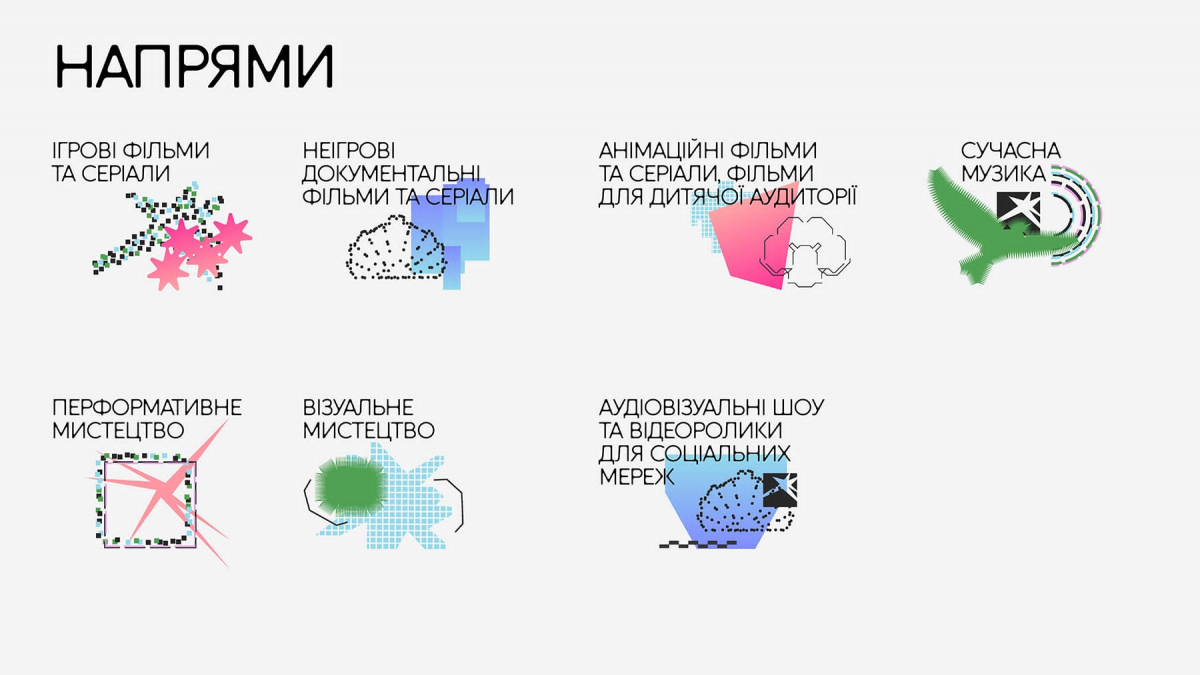
It is clear that audiovisual content dominates the structure, accounting for four out of seven categories.
Visual and performing arts, as well as music, receive comparatively less attention, each confined to a single category. Literature, meanwhile, is entirely absent from the program—surprising given the ambition to “shape a new generation through stories rooted in Ukrainian meaning.”
The budget distribution further highlights the dominance of audiovisual content. Out of the total ₴4 billion:
- ₴1.9 billion is allocated for feature films and series;
- ₴240 million for documentaries;
- ₴490 million for animation and children’s content;
- ₴400 million for performing arts;
- ₴300 million each for visual arts and contemporary music;
- ₴260 million for audiovisual shows and social media content.
While allocating around 12% of the budget to children’s content is encouraging, the fact that audiovisual production will consume about 75% of the total budget creates a noticeable imbalance.
In addition to the main content areas, there is a whole range of key project topics that applicants can use as a guide, as these are considered important by the government (though they are not mandatory). These include:
- Ukrainian history;
- the security and defense forces;
- life during war;
- universal human values;
- preservation and development of the Ukrainian language;
- socially important professions;
- responsible citizenship;
- the future of Ukraine;
- accessibility;
- prominent figures;
- folklore heritage;
- stolen art;
- natural heritage;
- mental health.
This list, developed by experts as part of the IDEM.DAY conference—a national expert dialogue on the affirmation of Ukrainian identity—currently appears somewhat disjointed. Topics relevant to the country, areas important to the state, and markers of a developed democratic society—such as accessibility—have all been mixed together, and, unfortunately, in this form, it is unlikely to help potential applicants find their way.
However, Tetyana Berezhna, while presenting the program, repeatedly emphasized that the ministry is open to adjustments and improvements to various aspects of “Tysiachovesna,” which can be considered a positive sign.
Timeline, selection process, and evaluation criteria
The program timeline includes:
1. The program officially launched on April 3. On that same date, the project website went live, where you can find all the information about the program, download the application guidelines, and submit your application.
2. The application period will run through May 28. Following that, the selection process for submitted applications will begin, which will take place in three stages.
3. From May 29 to June 5—technical screening of submitted documents. This task will be carried out by the State Film Agency, the State Agency for Arts, and the Ministry of Culture.
4. The ministry has also announced that a mandatory check of applicants’ business reputation will be conducted during this stage.
5. From June 10 to July 21 — evaluation of applications by experts according to key criteria (more on these criteria below).
6. In August, a pitching session is scheduled, where applicants who have passed the two previous selection rounds will present their projects in person.
7. The signing of contracts with the winners and the start of content production are scheduled for September through December.
In addition to a schedule with specific dates, another clear advantage here is the Ministry of Culture’s promise to publish lists of applicants at each stage of the selection process (let’s hope that, besides the registers of submitted applications, the results of the technical and expert screenings, and the pitching sessions, lists of contracts signed with the selection winners will also eventually be made publicly available).
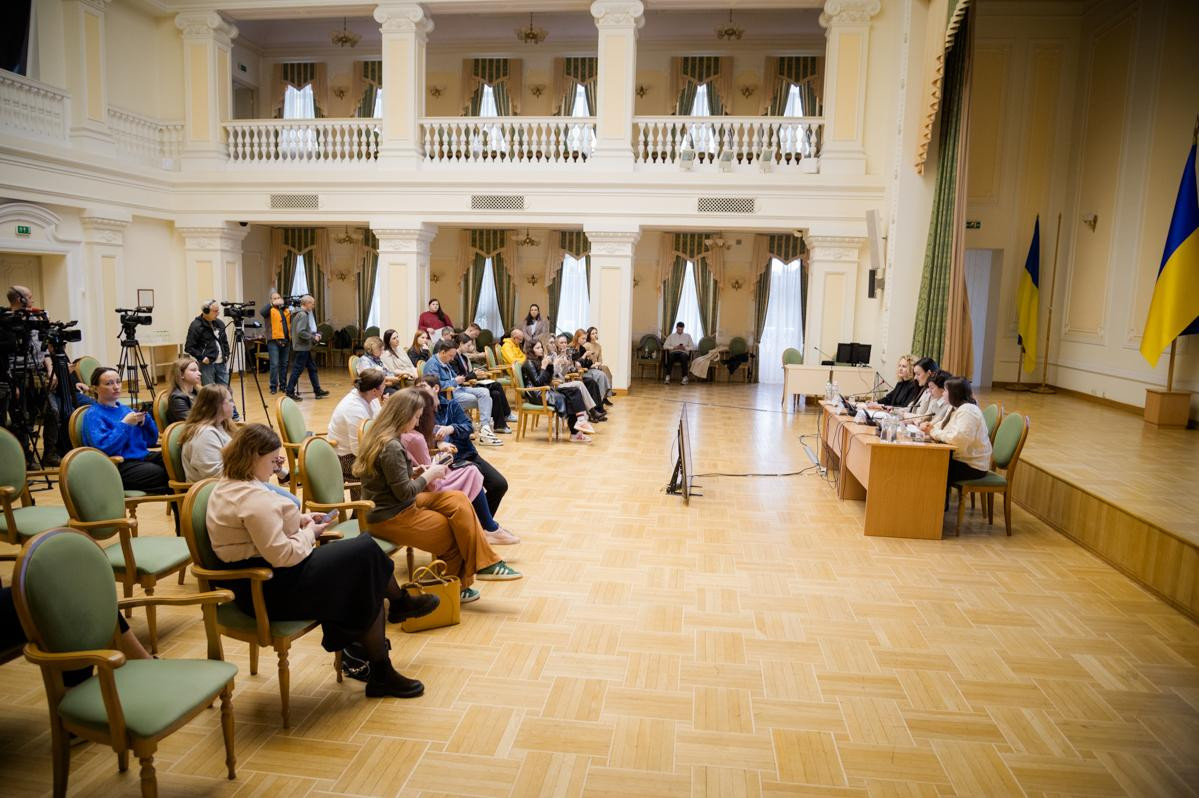
However, several aspects of the selection procedure still raise concerns.
First of all, there is the issue of the experts who will evaluate the applications that pass the initial technical screening. The mechanism will work as follows: different experts will be assigned to each content category, and every application will be evaluated by five specialists. These specialists will be randomly selected from the pool of experts within the relevant category through a lottery process, which will be broadcast online. The experts will assess the project idea, the proposed team, the budget, the distribution plan, the potential impact of the project, as well as the feasibility of implementing the proposed idea within the stated timeline.
The experts themselves will be selected by the Ministry of Culture, but this selection will not take place through an open competition. Instead, individuals will be invited directly. When asked about the criteria for this selection during a briefing, Tetiana Berezhna stated that the main focus would be on the professional achievements of the experts.
At the briefing on April 3, Ms. Berezhna mentioned several names who will be part of the program’s expert pool. Among them are documentary filmmaker Mstyslav Chernov, television producer Volodymyr Zavadyuk, film producer Volodymyr Yatsenko, Director of the Ukrainian House Olha Viieru, choreographer Olena Koliadenko, Head of the Ukrainian Institute of National Memory Oleksandr Alforov, and the head of the media platform Ukraïner, Yuliia Tymoshenko.
The mechanism of selecting experts “manually,” without a competitive procedure, appears rather controversial, at least considering how small the Ukrainian cultural community is. In a situation where experts and applicants (or members of their project teams) may have either competitive relationships or, conversely, professional or personal connections, the impartiality of a particular expert can always be called into question—even if their evaluation is justified according to the official selection criteria.
Another aspect that raises concerns in terms of the project timeline is the limited time allocated for several of its key stages. First, only 55 days are provided for submitting applications. For some larger-scale projects, it is practically impossible to develop a project framework and assemble a team within such a timeframe. As a result, projects that have already developed ideas, budgets, and teams are likely to have an advantage. Moreover, representatives of the Ministry of Culture have confirmed during meetings with the professional community that preliminary consultations with audiovisual content producers took place during the planning stage.
Second, less than 40 days are allocated for the expert evaluation of applications. Of course, much will depend on both the number of submitted projects and whether there will be enough experts to review them thoroughly and on time. It is also currently unclear how much time participants will have to prepare for the August pitching session after the expert selection results are announced.
The criteria according to which experts will evaluate the applications also raise questions. Among them are:
- artistic value and originality;
- thematic relevance;
- team professionalism;
- feasibility;
- budget justification;
- audience reach potential;
- social significance;
- international potential (this criterion will be evaluated during the pitching sessions by international experts, who, like their Ukrainian counterparts, will be invited to participate by the Ministry of Culture—their role in the program is described as “advisory”);
- another priority is the ability to create a product and bring it to the audience.
While some of these criteria (such as budget, team, and audience reach) seem quite specific, the meaning of others appears less clearly defined (and therefore, they may be interpreted differently by applicants and experts). For example, what exactly is meant by the social significance of a project? Here, a clearer formulation of some criteria would help, reducing the risk of applicants “missing the mark” due to a simple misunderstanding of the requirements (though it is not too late to refine this).
Funding Models and Terms
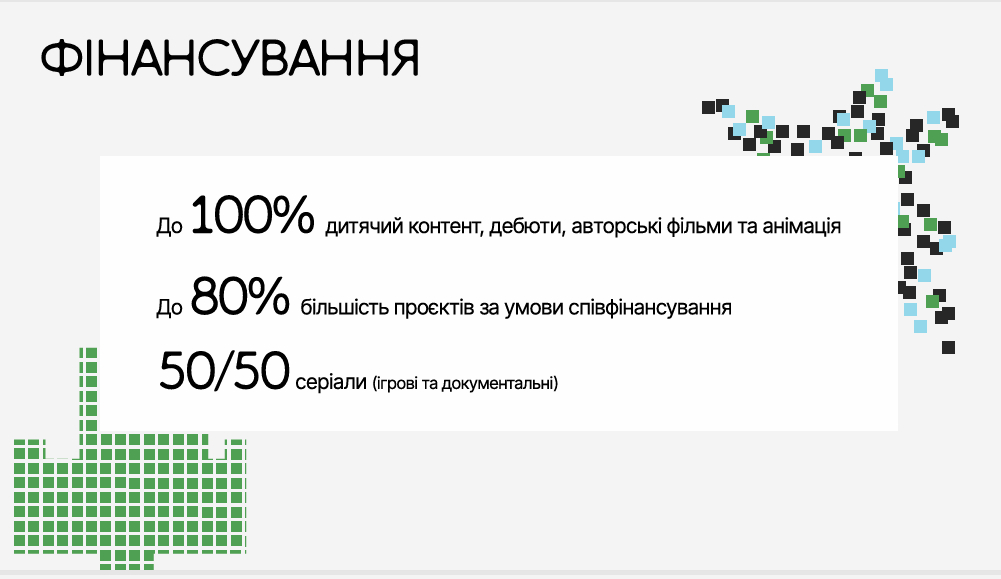
During the briefing announcing the launch of the “Thousand Spring” program, the Ministry of Culture also presented the main funding models that will apply to different categories of submitted applications. In total, there will be three:
Full funding (up to 100%) is provided for auteur and animated projects, as well as debut works and children’s content.
Partial funding (up to 80%) — allocated for fiction and non-fiction (documentary) projects. In this case, the applicant must cover or secure the remaining 20% of the project’s budget.
Equal co-financing (50/50) — will apply to fiction and non-fiction series (except for animated and auteur series, which may qualify for up to 100% funding within the program).
“Our logic here is simple: the lower the commercial potential of a particular format, the larger share of its budget the state is ready to finance,” Tetiana Berezhna explained during the presentation of the “Thousand Springs” program.
Another important point is that the program will not set an upper budget limit for projects.
Risks, Pain Points, and Bottlenecks
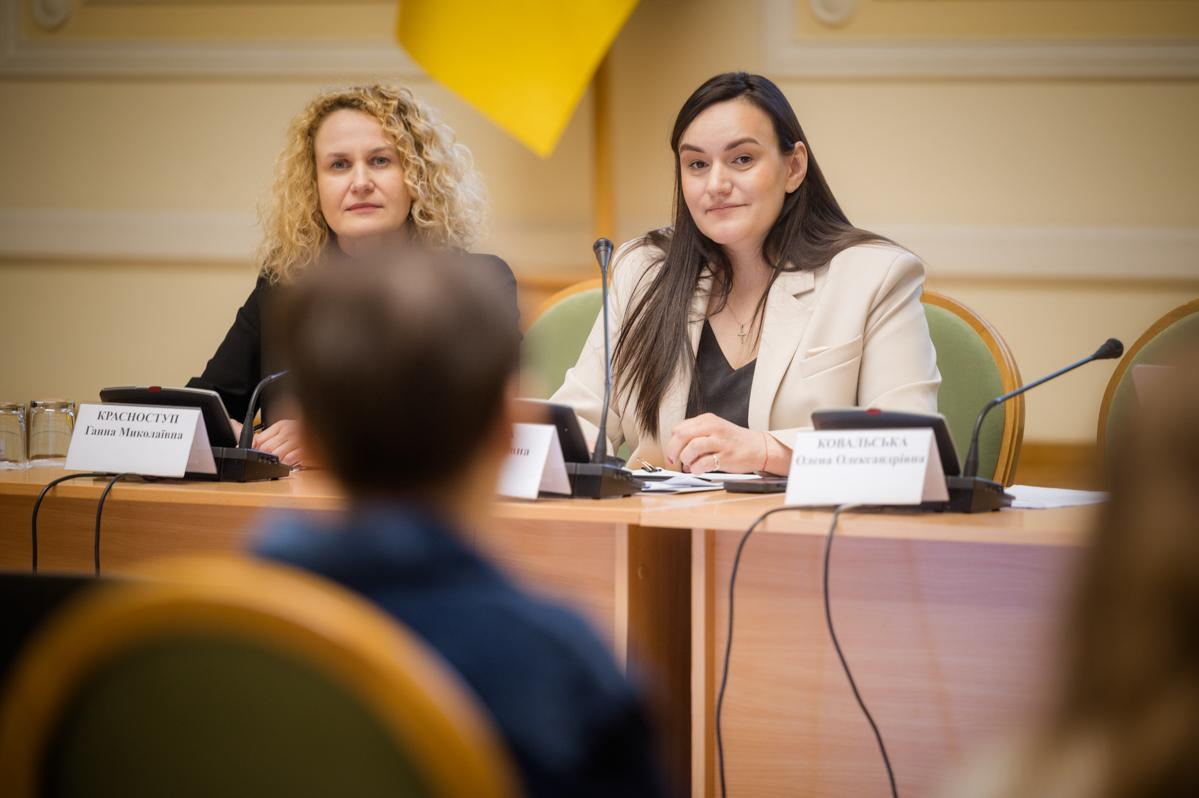
In addition to the potential pain points of the “Thousand Spring” program outlined above, one of the key risks—already evident at the program’s launch—is whether the cultural sector (and especially the audiovisual industry, which is about to experience a sudden influx of funding) is actually capable of absorbing this record-level budget and producing a large volume of cultural content within the specified timeframe—ideally without compromising quality.
At the moment, this seems doubtful. The state’s planned “boost for the cultural sector” could, in reality, result in a large amount of content of very uneven quality. This, in turn, could raise questions about the effectiveness of the “Thousand Spring” model—particularly since the government intends to make the program permanent, ideally running for many years. The positive news is that the Ministry of Culture acknowledges this risk and says it plans to address it.
However, beyond this first and fairly obvious layer of challenges lies another, much more fundamental issue.
According to its organizers, “Thousand Spring” is intended to become “the largest cultural funding program in the history of Ukraine.” Yet, however encouraging the phrase “funding Ukrainian culture” may sound, it is important to remember that no matter how important the creation of cultural content is, it does not replace the need for the sustainable and strategic development of the cultural sector as a whole.
And the issue is not only that, at a time when Ukraine’s cultural sector is literally fighting for each year of its survival—museum teams are preserving collections in threatened regions, institutions are struggling to stay afloat, and the sector is experiencing the most severe staffing crisis in years—such significant state investments in the production of new cultural content may be perceived rather ambiguously by parts of the professional community. This challenge could, in principle, be addressed through consistent and patient communication about the structure and logic of the program, as well as about what these public funds can—and unfortunately cannot—be used for.
The deeper issue is something else: projects like “Thousand Spring” once again highlight the destructive consequences of ineffective—and often absent—national cultural policies. Under this rather unforgiving spotlight, it becomes clear that the state sometimes tries to build a large and beautiful house without laying a proper foundation. And without such a foundation, the results of even useful and necessary initiatives can easily be washed away—like sandcastles—by the next wave of turbulence, or it may become extremely difficult for them to achieve a lasting impact.
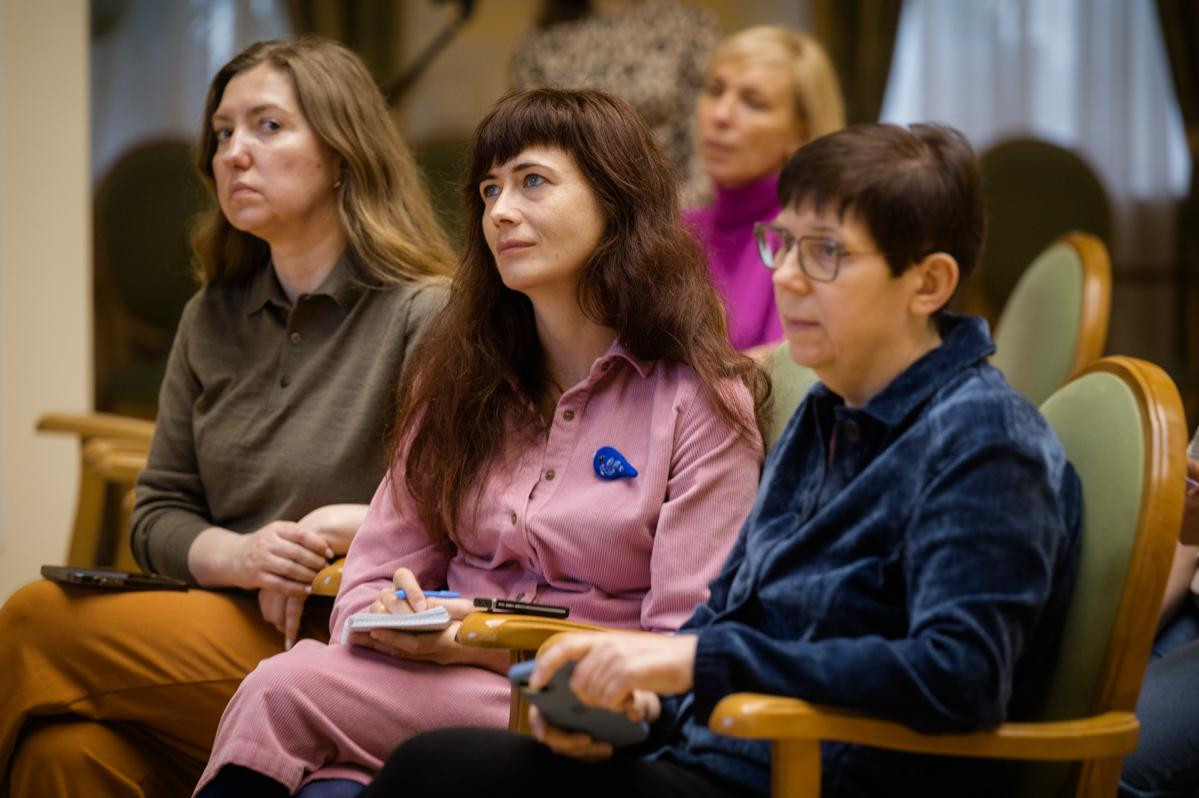
“Ukrainian culture has enormous potential — it can be strong, competitive, and visible globally, but it needs resources,” Tetiana Berezhna said during the April 3 briefing. “Just imagine how much our culture could achieve if it were provided with the necessary investment.”
If we apply this statement not only to the sphere of content production but to Ukrainian culture as a whole, everything quickly falls into place. Indeed, if consistent effort, funding, and attention were invested across the entire cultural sector, the results could exceed even the boldest expectations.
In fact, this is a universal formula that could help build almost everything — from cultural policies to a system of strong and capable institutions. The key principle is simple: invest effort, attention, and meaningful funding in what you consider important. The state has not only recognized this principle but has begun to put it into practice. Now, the only thing left is to refine the list of what exactly should be considered important.
This project has been prepared with the support of the Norwegian Helsinki Committee, funded by the Norwegian Agency for Development Cooperation (NORAD)
Photo: Ministry of Culture