Українською читайте тут.
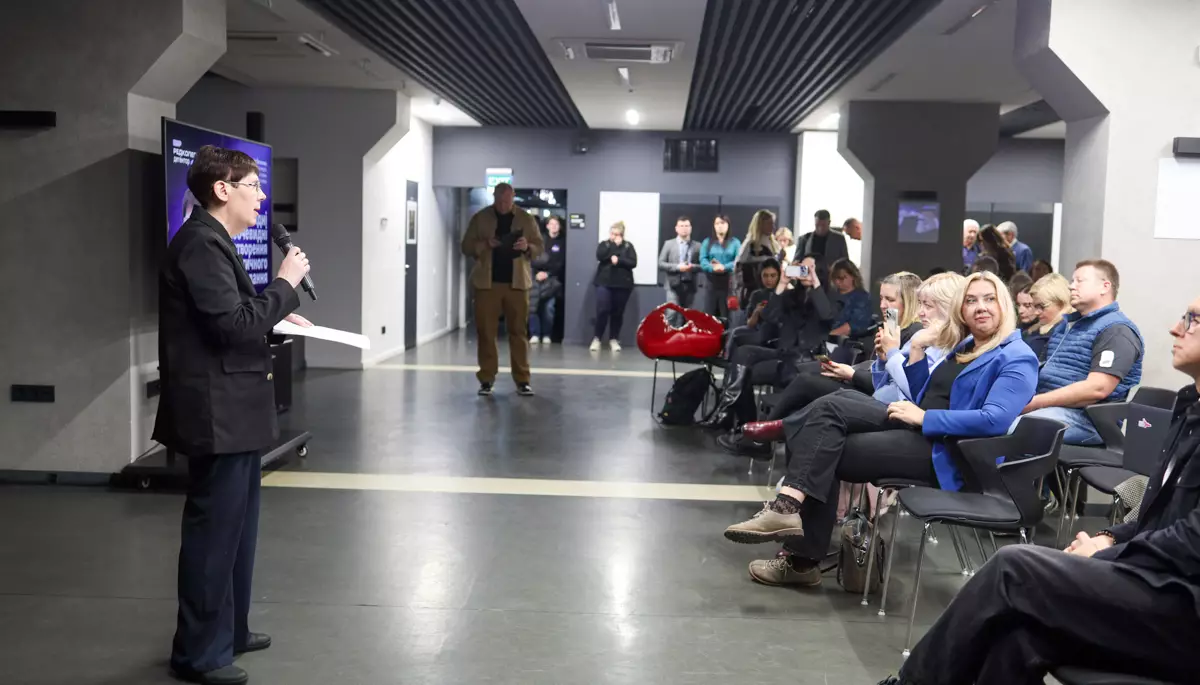
Nataliia Lygachova spoke about the lessons learned from creating Ukraine’s first “media about media”. Well-known media professionals took part in a discussion on current issues in the information environment, moderated by Andrii Shevchenko.
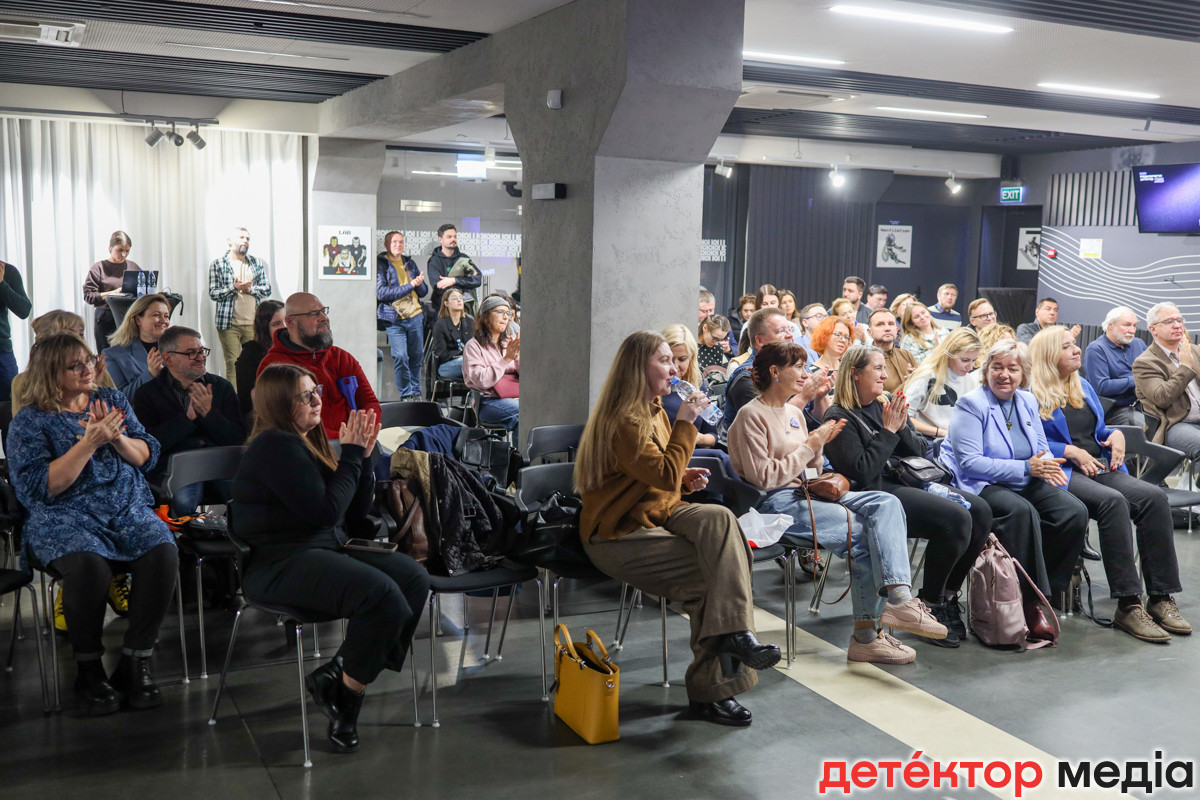
On November 3, a gathering of media professionals, Editorial Board. Detector Media 25, took place in Kyiv at UNIT.City innovation park, in partnership with Detector Media. This year’s meeting placed a special focus on the state, media and culture.
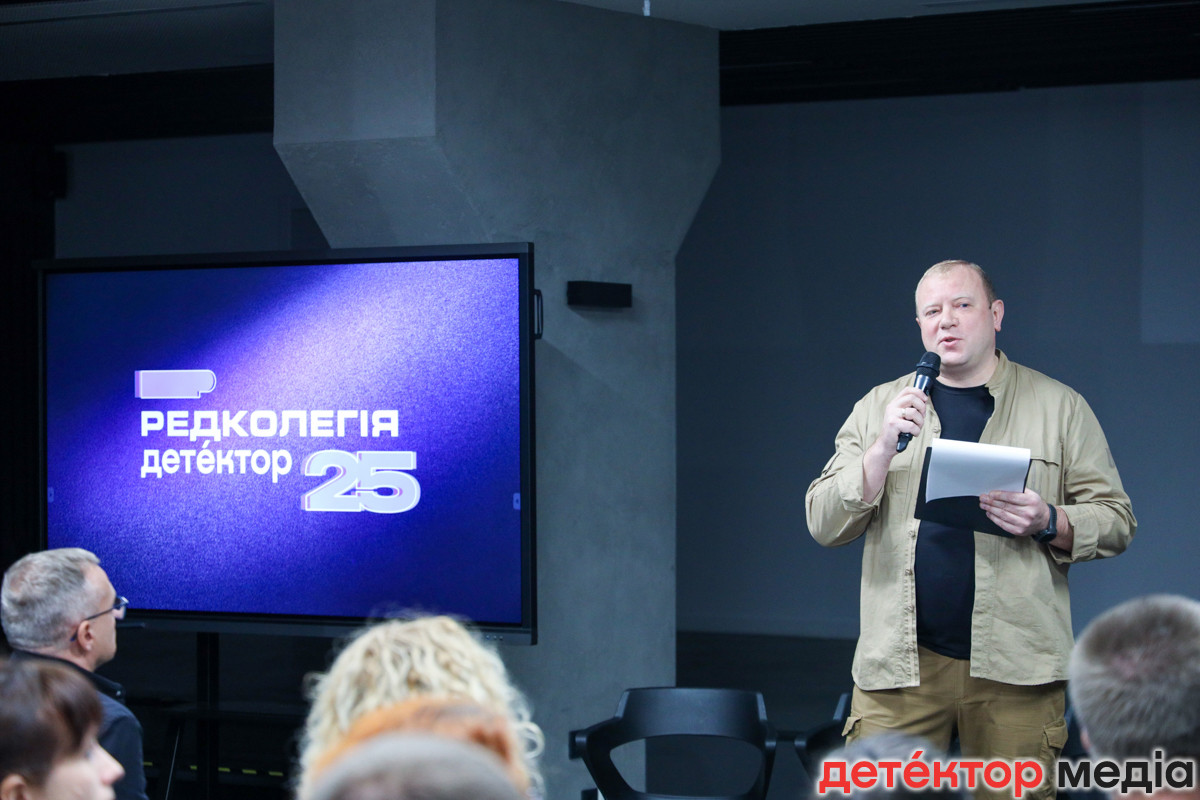
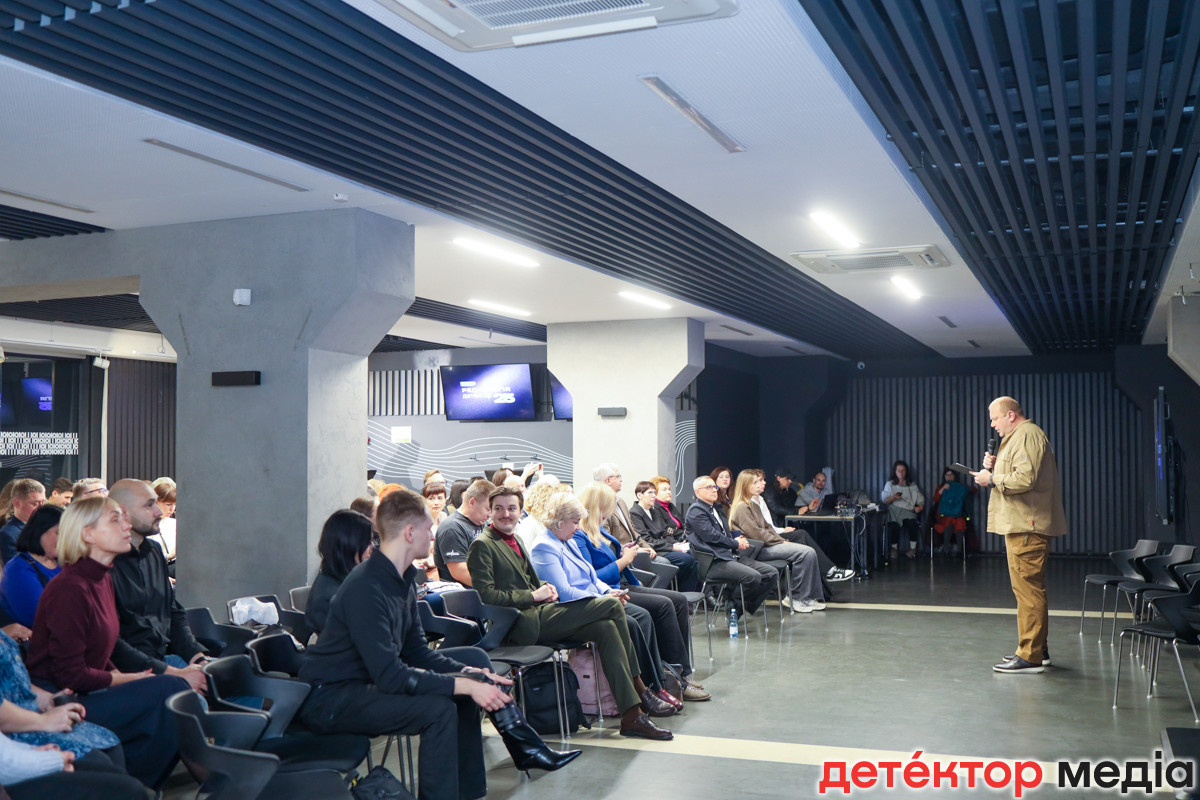
Andrii Shevchenko welcomes the guests
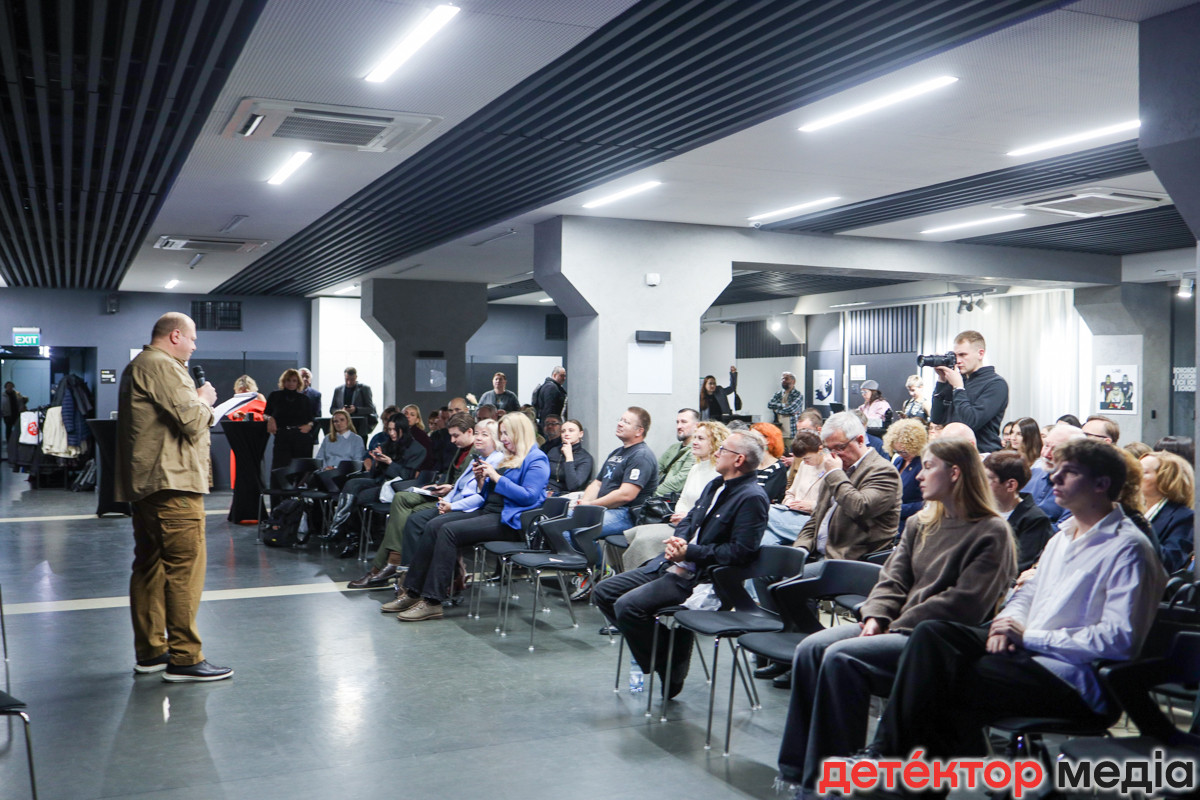
You can read about the panel discussion, “What should the state fund? Media, culture and the public interest”, here. The conversation between Lena Chychenina, editor of Antonina, a website belonging to the Detector Media group of publications, and Tetiana Berezhna, Deputy Prime Minister and Minister of Culture, is available here.
During the event’s traditional Roll Call session, participants had an opportunity to share their views on the latest high-profile developments, the state of Ukraine’s media market, countering information warfare, and the future of the journalistic profession.
The Roll Call began with a presentation of an appeal by Ukrainian journalists to their foreign colleagues, urging them to continue covering the war in Ukraine.
To talk about this initiative, published on the eve of the Editorial Board meeting, host Andrii Shevchenko invited Nataliia Nahorna, Volodymyr Runets and Yaroslav Zharienov onto the stage.
According to TSN special correspondent Nataliia Nahorna, changes in the headlines and rhetoric of international media indicate a gradual shift in attitudes towards Ukraine and sanctions against Russia. She urged those present to help distribute the appeal through their foreign colleagues in order to draw the world's attention to the situation in Ukraine.
“We would really like this to be an appeal not just from the 60 people featured in this video, but from all of us. Help us distribute it, reach out to the world, warn people and sound the alarm. I understand that many of you may think this won't change anything, but in fact, the group of people who worked on this was convinced that everything we do may eventually have an impact,” Nahorna said.
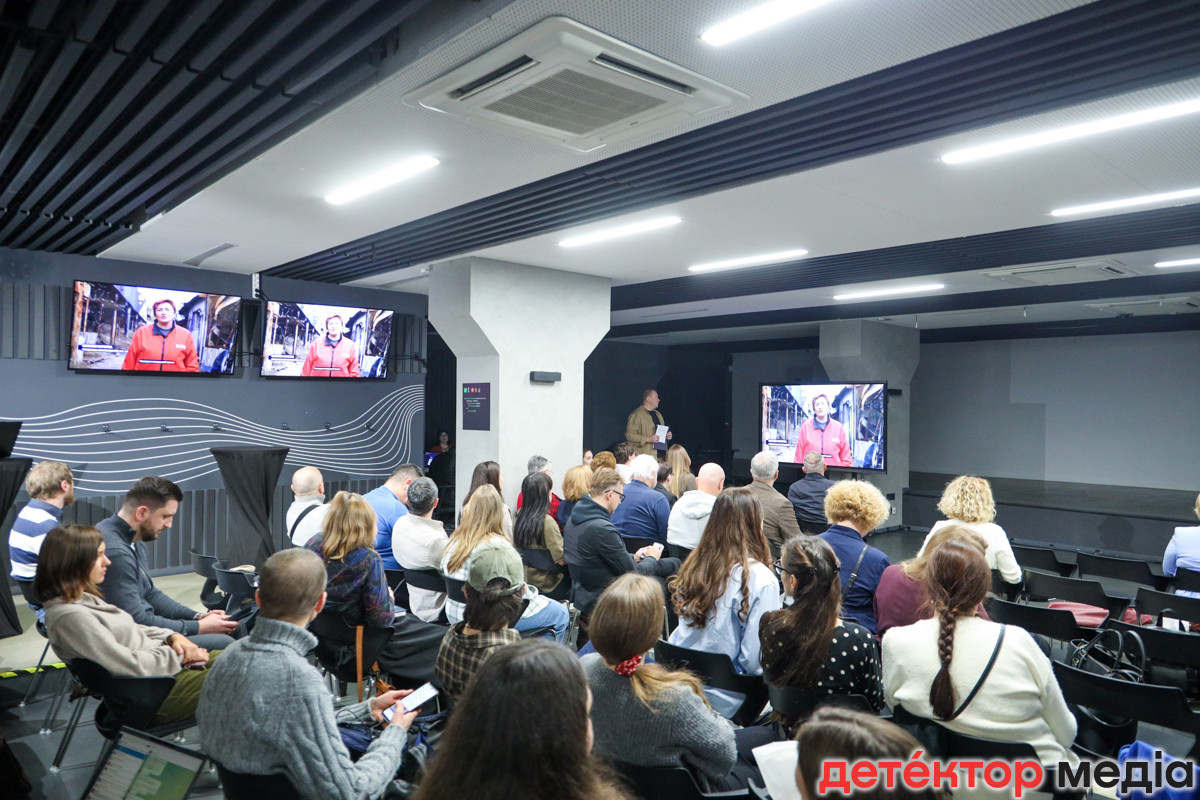
ICTV host Volodymyr Runets drew attention to how the principle of balance in international journalism sometimes works against Ukraine.
“This magical, wonderful word — balance — which I love so much, conceals everything. Since 2014, it has been hiding the war in Ukraine somewhere out of sight. In other words, we saw pro-Russian separatists; we even saw ‘militiamen’ in some reputable and influential publications. And today, when we see headlines saying that Ukraine doesn't want peace, or when Bloomberg recently reports that Ukrainian drones struck and gives the number of people killed... People who read Bloomberg, CNN, The New York Times and The Washington Post scroll through the headlines, and those headlines shape their impression of what is happening in Ukraine. So I wouldn't be surprised if the day after tomorrow someone says: ‘Let's impose sanctions on Ukraine because they're bad people who are killing Russians.’ We have to find a way to break this pattern,” he said.
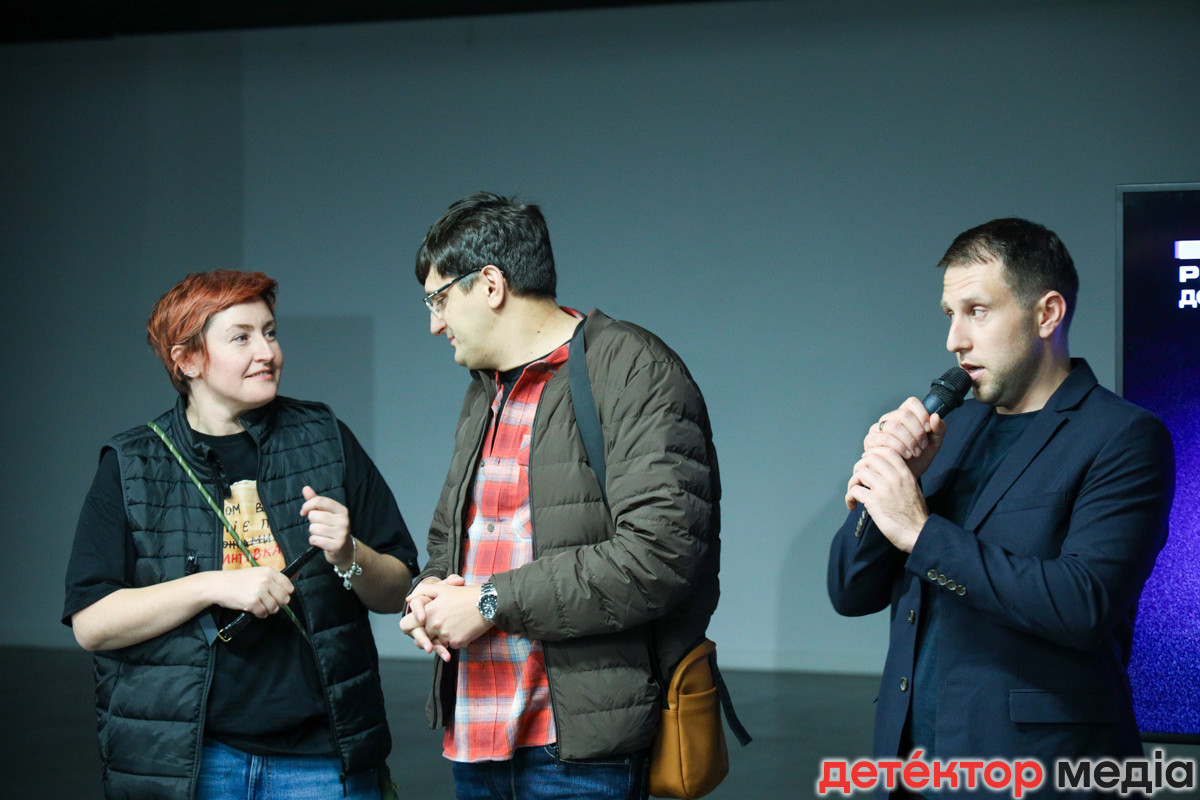
Nataliia Nahorna, Volodymyr Runets, Yaroslav Zharienov
Journalist Yaroslav Zharienov said that during broadcasts with international media, he is regularly asked how much longer Ukraine will continue resisting Russia: “That's great, of course, but you do understand that Russia is stronger. And ultimately, the point of that question is: ‘Aren't you tired of fighting over there yet?’”
In his view, international attention is gradually shifting towards other global issues, putting Ukraine at risk of falling outside the focus of the global audience. He believes that journalism and openness can become a force capable of drawing the international community's attention back to Ukraine.
Next, the meeting's moderator, Andrii Shevchenko, brought up the events in Petropavlivska Borshchahivka, which had become the focus of public and media attention shortly before the event. He turned to media expert and media manager Oleksii Mustafin, who had published several emotional posts about the incident on Facebook, and asked what exactly had prompted such a reaction.
Mustafin explained that he was outraged by the number of people and media outlets involved in spreading information that he considered an obvious provocation. He was particularly surprised by the involvement of outlets that had previously enjoyed a reputation for responsible journalism, as well as politicians and public figures. In his view, society had become too complacent and less attentive to situations of this kind.
“People are already sick and tired of hearing about standards. But sometimes we need to remind ourselves of them. Standards do not allow for (broadcasting without verification — Detector Media) what is happening now, even if it is the hottest topic of the moment. I have been told that standards don't apply during wartime. Standards matter even more in wartime than in peacetime,” the media expert said.
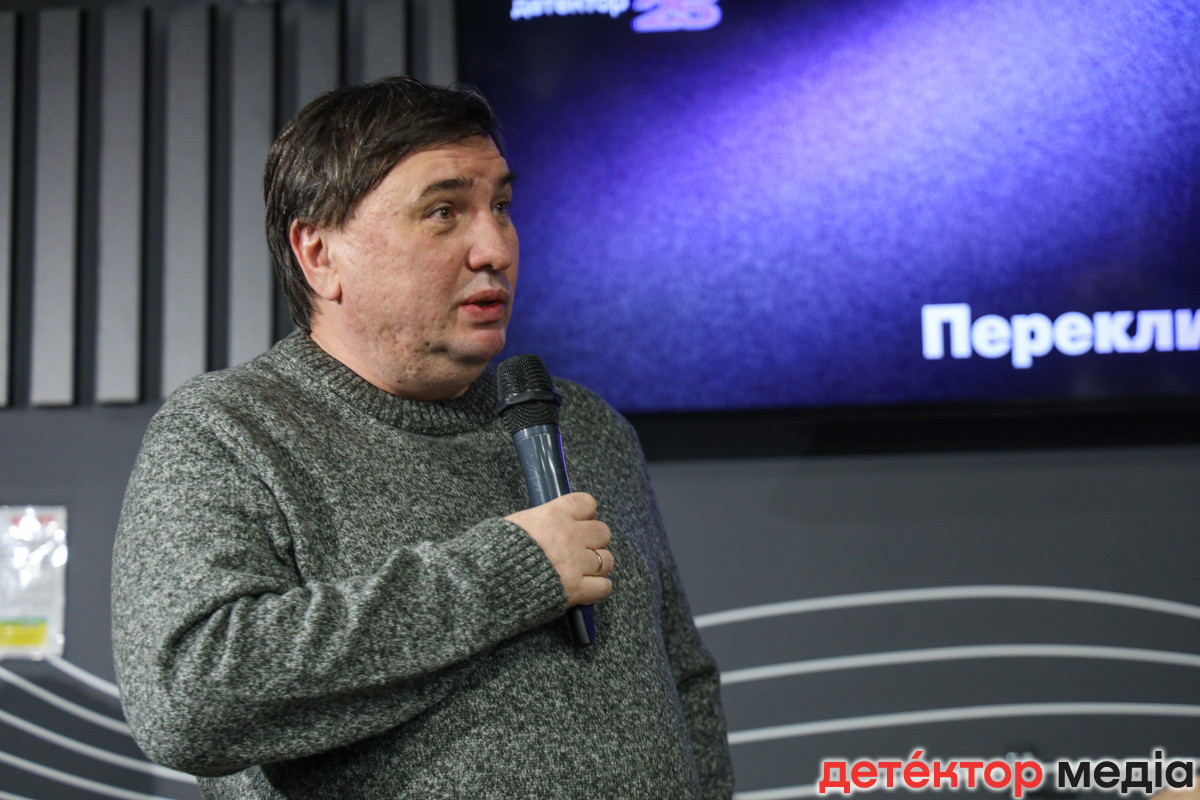
Oleksii Mustafin
In particular, he criticized reports about the “injured boy” and the “female medic”, whose stories, he said, had not been properly verified. In his opinion, there were clear signs of an organized provocation, and media platforms had immediately become active in spreading information about the events.
Andrii Shevchenko then turned to Oleksii Bratushchak, communications officer of the 425th Separate Assault Regiment Skelia, and asked what conclusions he had drawn from the conflict over threats against journalists following the publication of an investigation into torture in the regiment.
In Bratushchak's view, this story also showed that not all journalists adhere to professional standards. However, the regiment's command had thoroughly analyzed the situation: “My takeaway as a communications officer is that there is an enormous gap between the military and society. I often compare it to football, where the whole country knows how to play the game. Everyone knows how newly mobilized people who have been unwilling to serve for four years should be lined up and trained. Everyone knows except those at Skelia.
My second takeaway: at the Donbas Media Forum, I heard criticism directed at us about how terrible our communications had been. In my opinion, poor communications really are a problem in the units of the Defense Forces. But we set a completely different example. We were open to all contacts. We spoke with Babel journalists for an hour and a half before publication. We continued communicating extensively afterwards. We invited everyone to come and see for themselves. If you want to tackle a difficult subject, you shouldn't be afraid to go to the place you are writing about.”
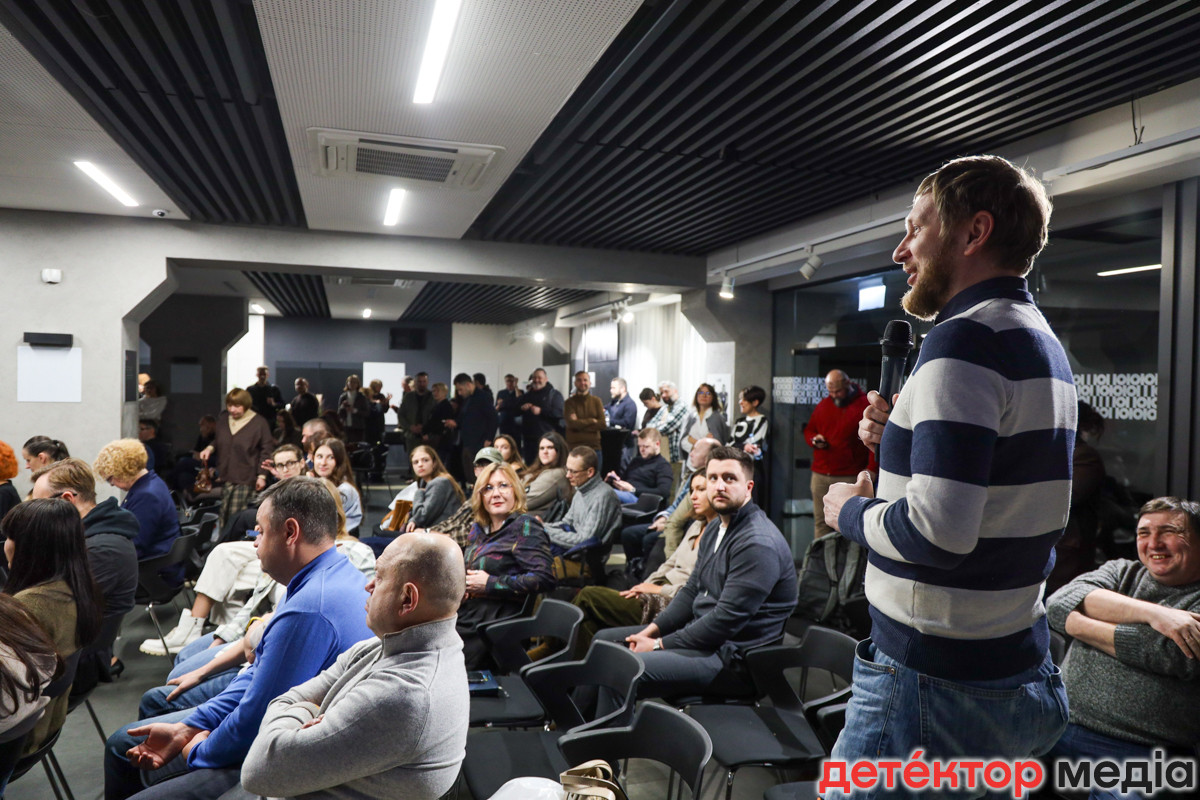
Oleksii Bratushchak
As an example, Bratushchak cited the journalists' trip to Oleshky. According to him, not everyone agreed to go there. Only two media professionals showed how local Ukrainians welcomed the Ukrainian flag and brought this story to a wider audience.
Andrii Shevchenko also mentioned the Donbas Media Forum, particularly the debate in which the audience was asked to choose between national security interests and anti-corruption transparency. According to Shevchenko, the outcome surprised him: the majority of participants supported anti-corruption transparency.
Dmytro Zolotukhin, executive director of the Institute of the Post-Information Society, who had taken part in the debate as a member of the team defending national security, believes that one cannot expect the state to provide effective and capable services if it is constantly being “trashed”.
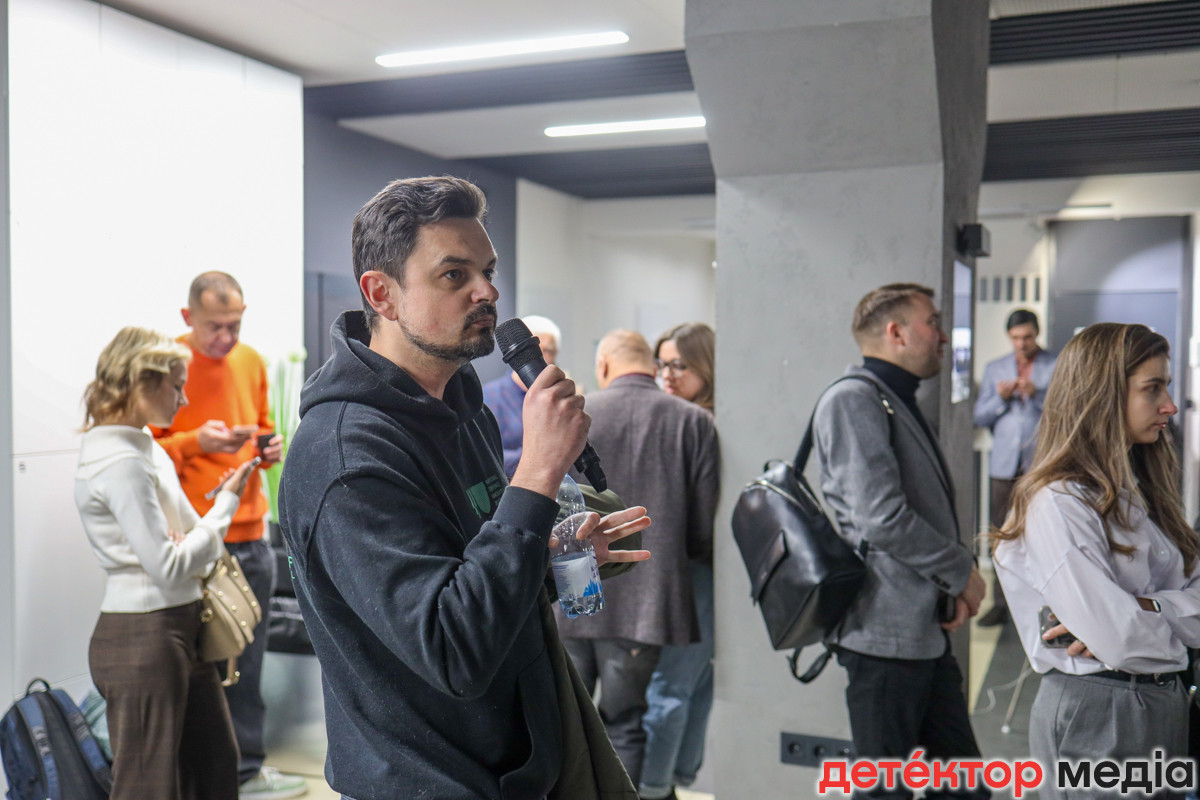
Dmytro Zolotukhin
“If we choose to build state institutions and fill them with healthy, decent and honest people, we need to explain to them that they will be respected for working in the interests of the Ukrainian people. If that doesn't happen, and we keep ‘trashing’ these people, telling them how terrible they are and how they all steal, then we will simply be fighting this Minotaur forever, and it will never change,” he explained.
Alina Frolova, an expert in cognitive security, also joined the discussion. She said that in difficult situations, she tends to support the security and defense sector, since civilians do not always find it easy to assess the conditions in which military personnel operate.
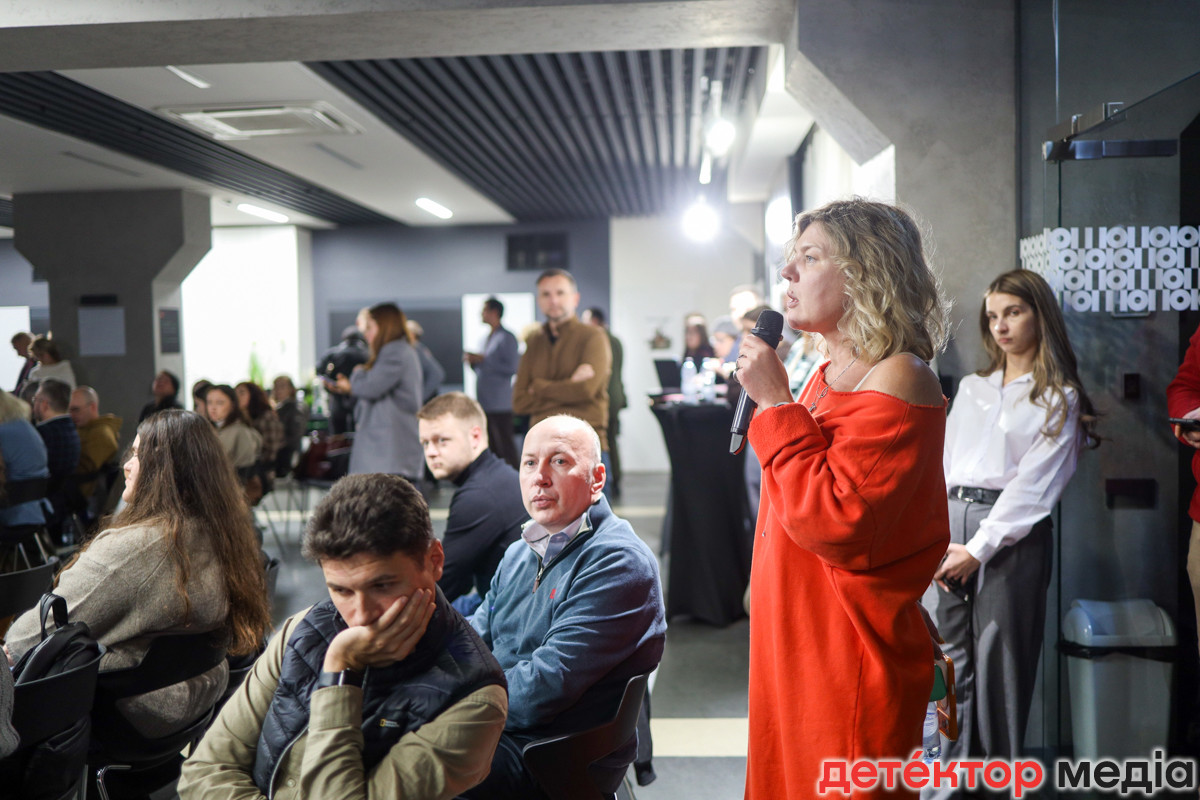
Alina Frolova
Commenting on the events in Petropavlivska Borshchahivka, she said that the actions of individual participants should not be generalized to society as a whole. In her opinion, the incident was carefully staged, and the publicity surrounding it created the impression that a very large number of people had been involved, when in fact this was not the case.
Nataliia Lygachova, editor-in-chief of Detector Media, cautioned against making categorical judgments about the events in Petropavlivska Borshchahivka: “So, it was definitely staged, and we have established that. And many thanks to Slidstvo.Info, which very quickly investigated who this so-called female medic was. But we need to tell the whole truth. We understand that there was some genuine element to this incident, and it is journalists' job not to conceal that, but to show how the Russians exploit it. They no longer usually make things up out of thin air. Instead, they take an actual existing problem and pile a heap of lies on top of it. I think that may have been the case here, at least to some extent. By the way, I hardly saw any categorical assessments in professional media, apart from Telegram channels and TikTok.”
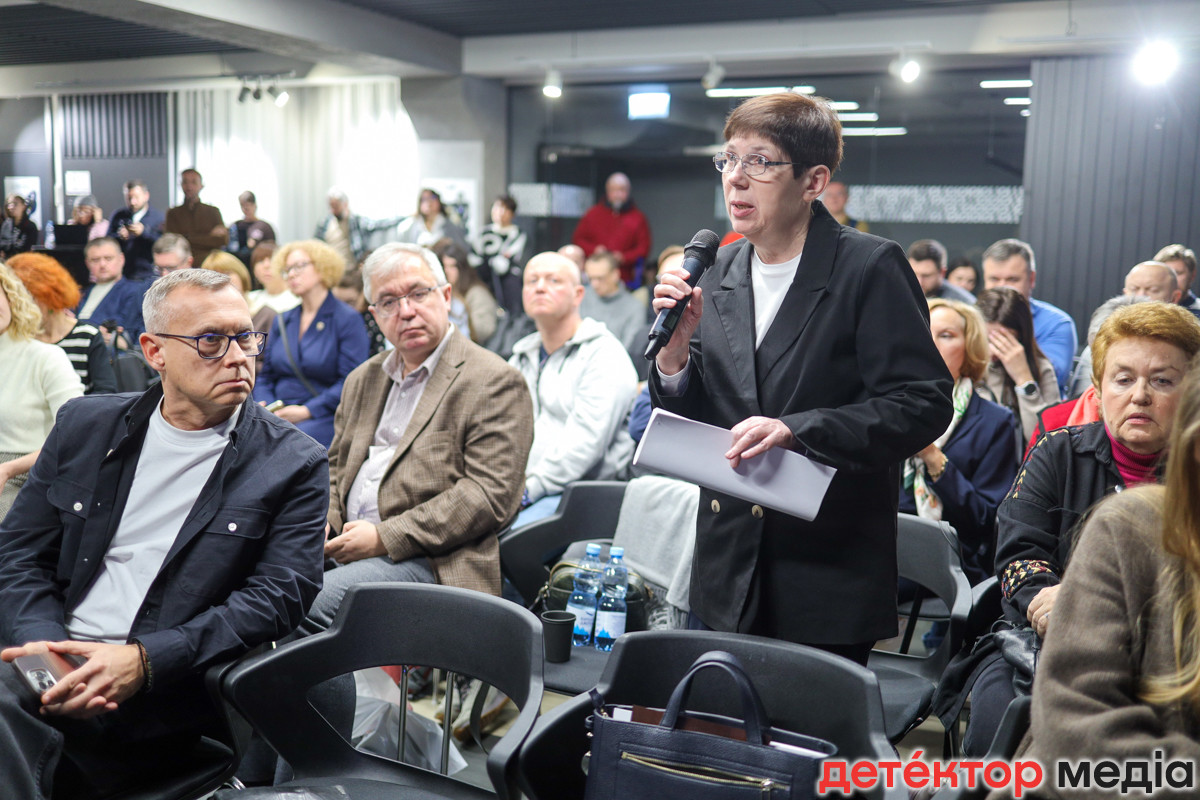
Regarding the trip to Oleshky, Nataliia Lygachova responded that the question was not who wanted or did not want to go there. Rather, it was about who from the Ukrainian side could be allowed into the city during the humanitarian mission, and how many Ukrainian journalists had been agreed upon during negotiations involving the Russians, Americans and Ukrainians.
Vasyl Samokhvalov, co-founder of Media Center Ukraine, joined the discussion. He reminded everyone that the Editorial Board meeting was taking place on the day of the US midterm elections and continued with an ironic remark: “Today is a great holiday of American democracy. We eagerly await the return of the Democrats, who will once again start teaching us about the institution of reputation, the institution of politics and other useful things that have proved so valuable in their own lives. They will tell us how to fight corruption properly. And, of course, we will thank them for it once again.”
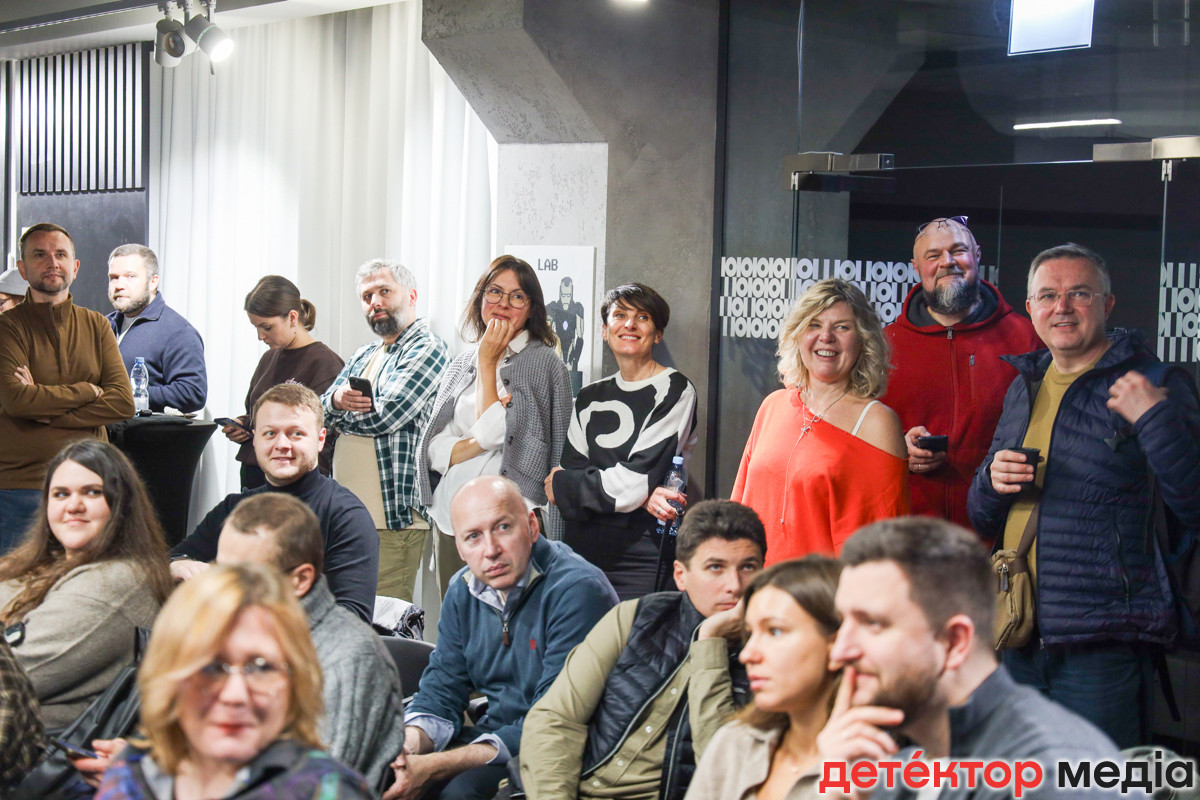
At the same time, Vasyl went on to make a more serious point: what worries him most is not only the erosion of journalistic standards, but also the loss of a shared understanding of what is good and what is evil. Meanwhile, in his view, all countries are interested in is money.
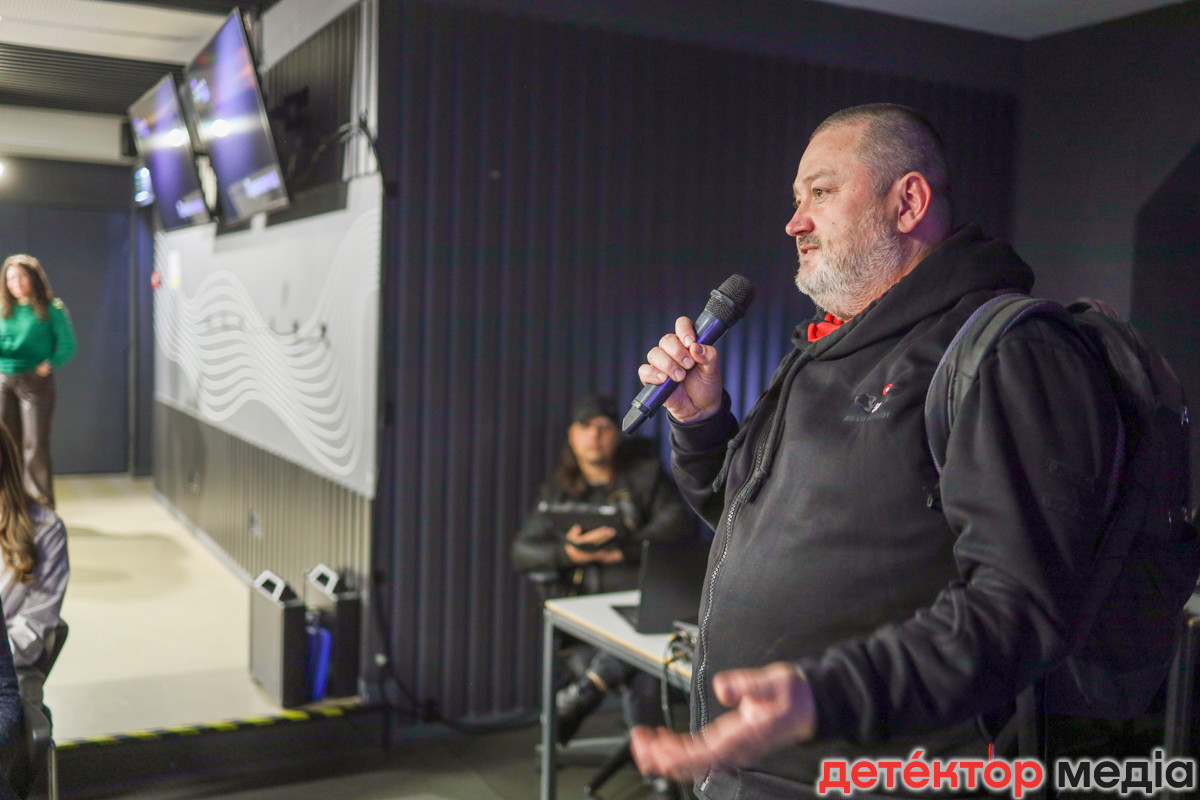
Vasyl Samokhvalov
Yevhen Buderatskyi, deputy editor-in-chief of Ukrainska Pravda, emphasized that journalists criticize not the state as such, but specific officials who make mistakes or take wrong decisions.
Returning to the events in Petropavlivska Borshchahivka, Buderatskyi mentioned Kyrylo Budanov's arrival, which, in his view, was intended to bring the situation to a political conclusion. At the same time, from a military perspective, he called such a move absurd, given how well known the location is to the military command.
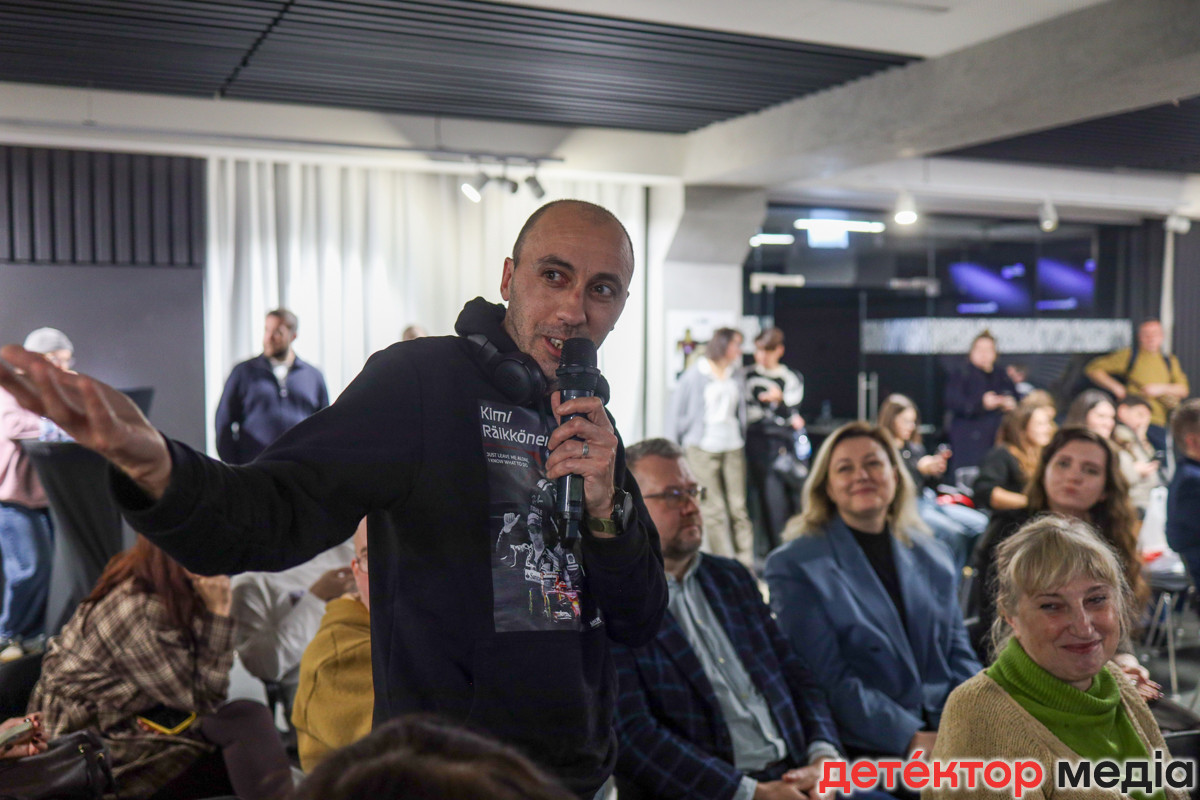
Yevhen Buderatskyi
“All these events clearly indicate that this whole contraption someone was trying to ride actually exists. This sector, this segment of people who are ready to come out and smash cars because they don't understand what the state is doing in the area of mobilization or something else — it exists. We need to recognize it and work with it too,” Buderatskyi said.
Andrii Shevchenko raised the issue of the advertising market and the financial situation of Ukrainian media. In particular, he pointed to cuts in television advertising budgets and asked whether there were any signs of a market recovery.
Volodymyr Mzhelskyi, CEO of Channel 5, replied that the decline in advertising revenue had been substantial. According to him, the country loses UAH 150 million every year because of the United News telethon.
“Listen, perhaps that money never reached the channels, the people or the media. Well, if at the very least we stop taking this money away from individual channels and media outlets for support, and also stop spending UAH 150 million on distribution, that money will find its way to people somehow. When we try to argue that there is no money, let's look at where it is being invested. It is simply being spent thoughtlessly, and that makes me very sad,” Volodymyr Mzhelskyi said.
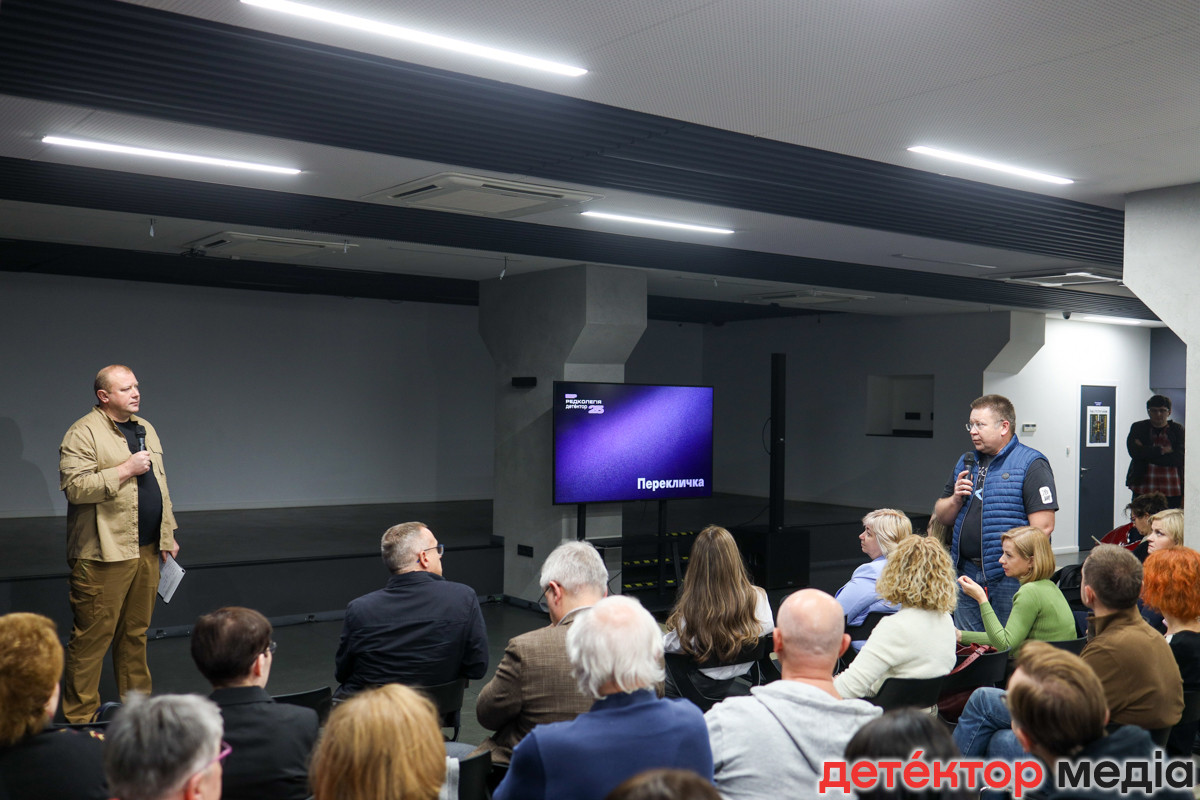
Andrii Shevchenko and Volodymyr Mzhelskyi
Andrii Shevchenko added that the advertising market was being affected not only by the situation surrounding the United News telethon, but also by the broader redistribution of advertising budgets: advertisers are increasingly choosing retail chains, online marketplaces and Telegram.
Mzhelskyi replied that some companies had already started cutting their advertising budgets in the autumn, while certain industries, particularly healthcare, were effectively leaving the market because, as a result of Russian attacks, they had nothing left to advertise and would have no products to offer. This is why media need support now, he said, as some outlets may simply cease to exist in the future. He also called for support for print publications, which remain an important source of information in areas without electricity or communications.
Moderator Andrii Shevchenko asked Oksana Maidan, director of the EU-funded FAIR Media Ukraine project, implemented by Informed (registered in France as Internews International), about changes in the donor market and opportunities for supporting the media.
According to Oksana Maidan, following the shutdown of the largest donor, USAID, the Ukrainian media market faced a shortage of long-term institutional grants. Large media outlets and national media service organizations were hit hardest. Regional and smaller newsrooms, she said, found themselves in a somewhat better position, but they too are feeling the changes: the number of donors, apart from American ones, has not changed significantly, but grants have become smaller and shorter in duration.
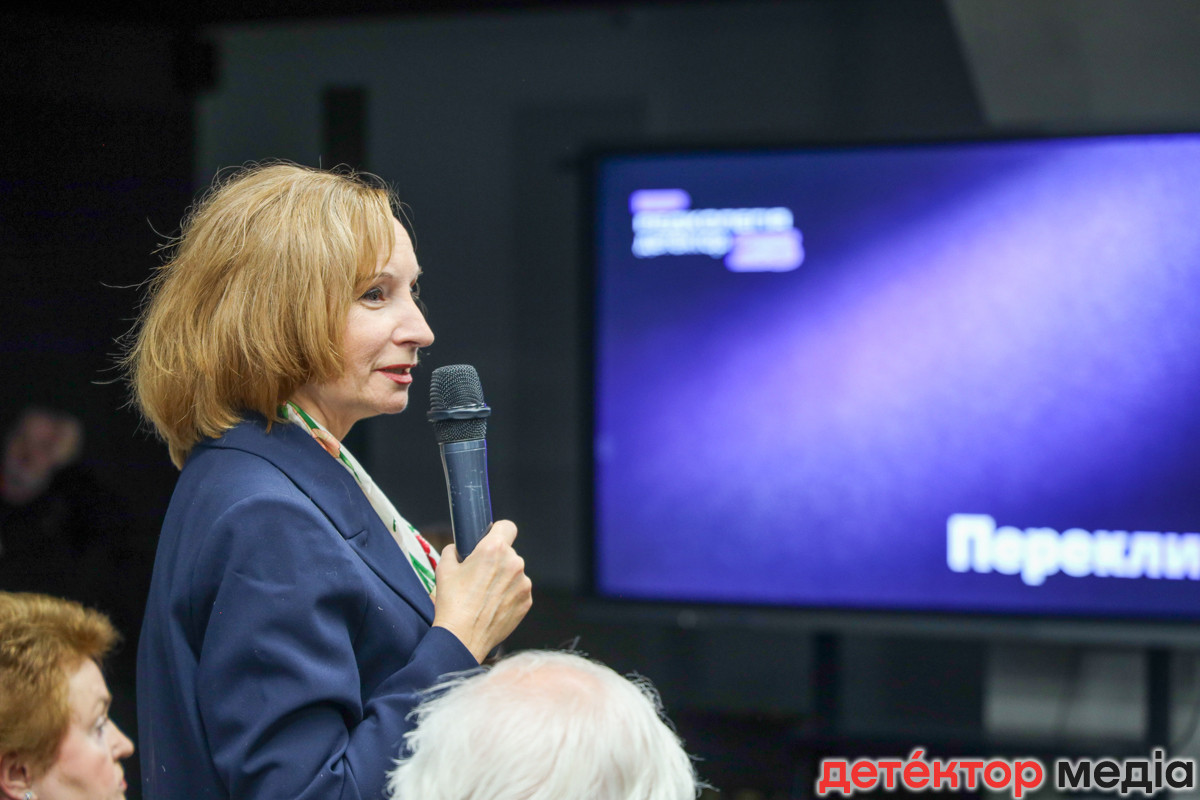
Oksana Maidan
Newsrooms now have to spend considerably more human, time and financial resources on fundraising, Oksana Maidan said. To sustain their operations, they need to apply to different donors and secure a larger number of grants.
Oleksandr Sushko, executive director of the International Renaissance Foundation, in turn, believes that the market lacks a shared consensus on how the media should be supported going forward: “Everyone acknowledges that the traditional model is no longer viable in many respects. Everyone recognizes that new players are effectively winning the battle for people's conscious and subconscious minds alike. And at best, what we are being offered is to play by the new rules and somehow try to influence them from within a trend that many see as destructive.”
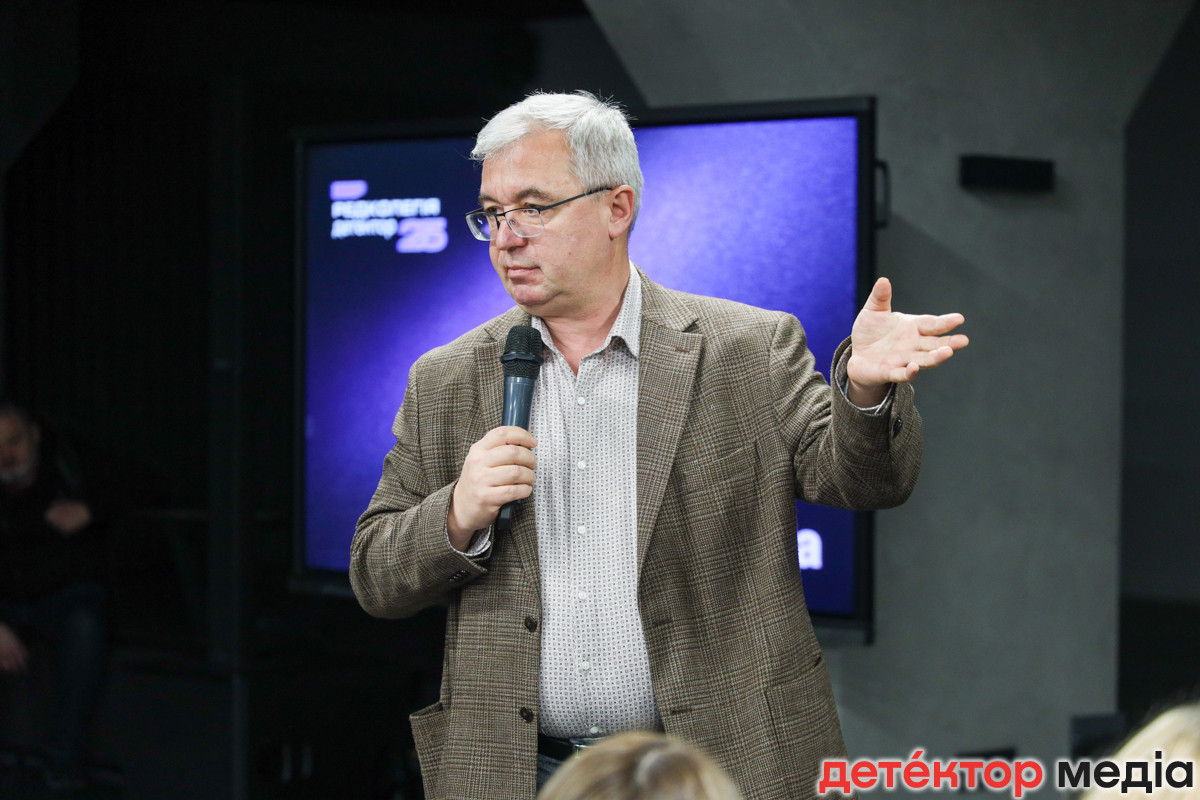
Oleksandr Sushko
Andrii Shevchenko drew attention to the global trend towards restricting children's and teenagers' access to social media and the internet, and asked Ihor Rozkladay, deputy director of CEDEM, how this might affect the media market.
Ihor Rozkladay expressed skepticism about the European approach to regulating the digital environment. In his view, Europe is lagging behind in this area and often introduces regulations that are overly naive. As an example, he cited the regulation on the transparency of political advertising, which was intended to govern its placement on social media. However, Meta and Alphabet refused to comply with these requirements and instead banned such advertising altogether. According to Rozkladay, this could also create problems for civil society organizations, since the definition of political advertising is not limited to election campaigns: even announcements of events organized, for example, in cooperation with government ministries could fall under the ban.
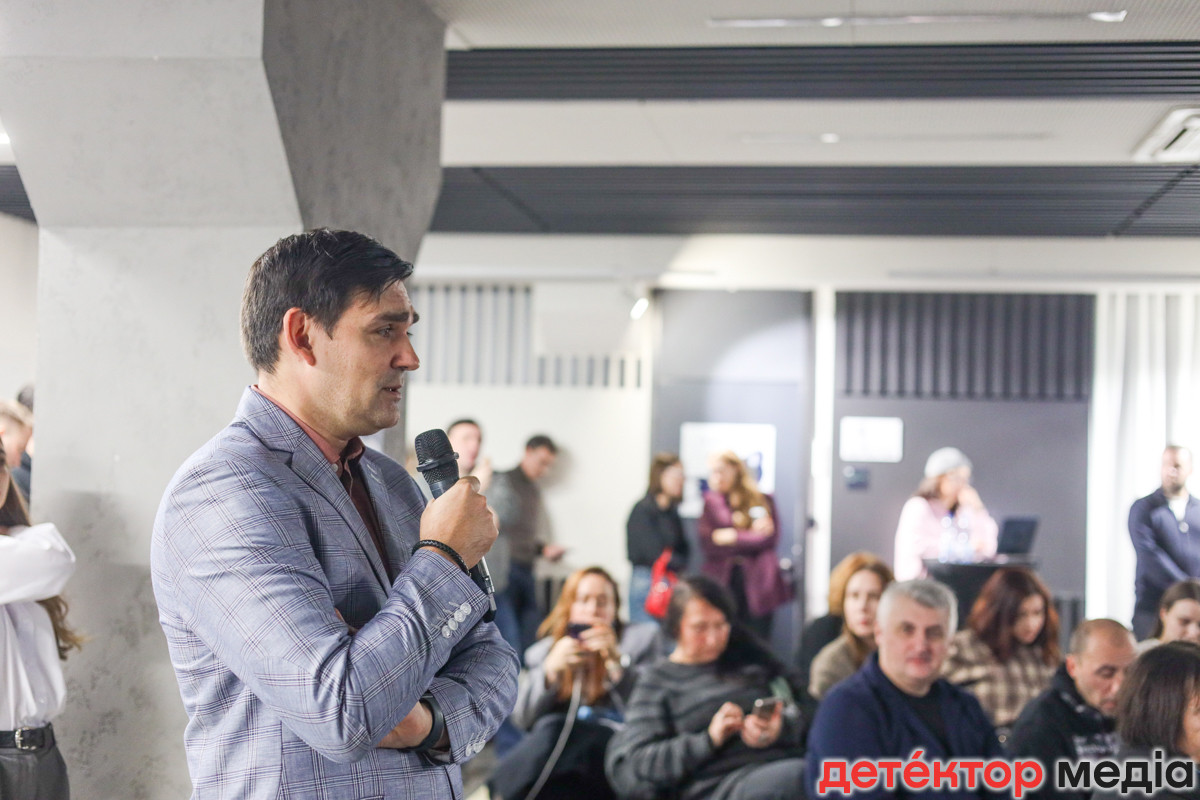
Ihor Rozkladay
Regarding restrictions on children's use of social media, Rozkladay doubts that bans can solve the problem. He pointed out that teenagers have always found ways to circumvent restrictions. In his view, banning access to social media could simply push some children towards the Darknet, Telegram and other dangerous online resources.
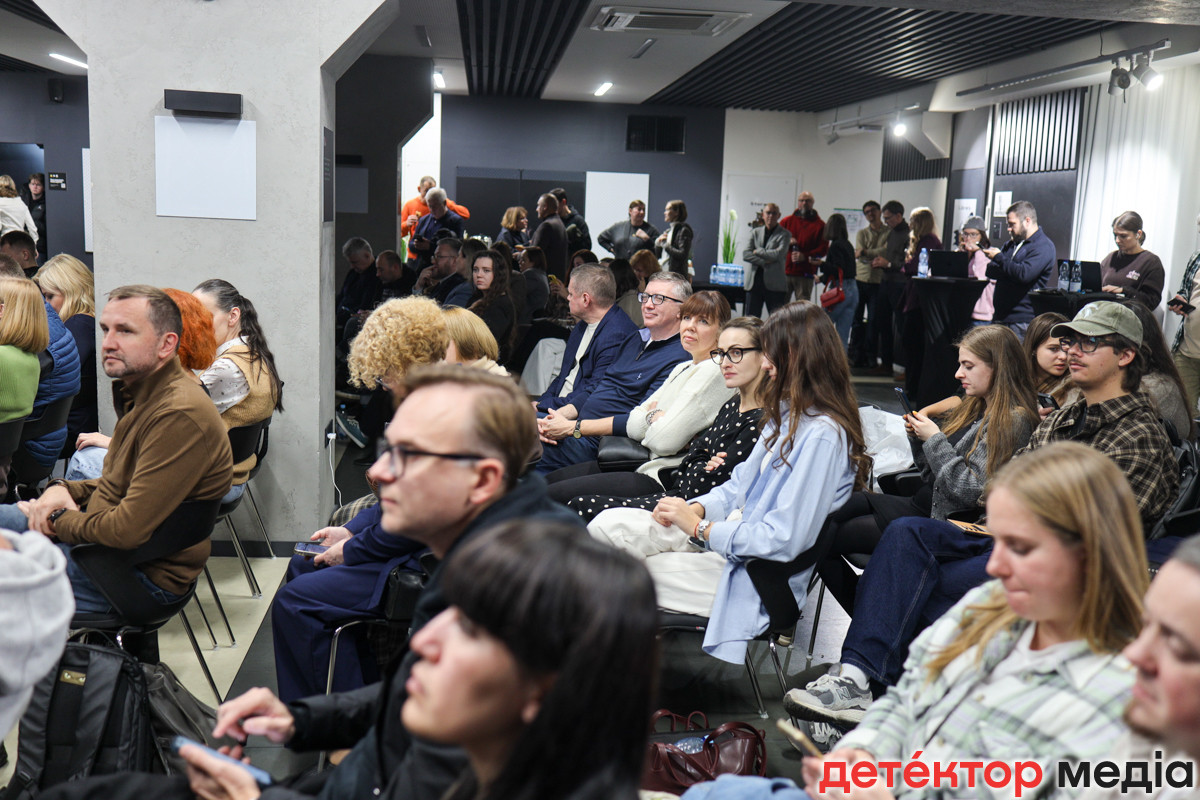
The next speaker was journalist and serviceman Vladyslav Holovin. The moderator asked how Ukrainian journalists could draw Western media's attention to difficult topics.
Holovin believes that the key is to find an angle that will be interesting specifically to foreign audiences. According to him, Ukrainians often assume that a war for the very survival of their nation must automatically be important to the whole world. However, people in other countries have their own lives and do not necessarily regard the war in Ukraine as the central issue.
“If we start from the assumption that nobody owes us anything, it becomes easier to establish communication. Unfortunately, this idea that they are obliged to help us comes both from the authorities and from many decision-makers here. If, instead, we try to understand what interests them, we may be able to get through to them. But if we approach them with the attitude that they are obliged to be participants in our war and to ‘smash the Russians’ just as we are trying to do here, whether militarily or through information, they won't hear us,” Holovin said.
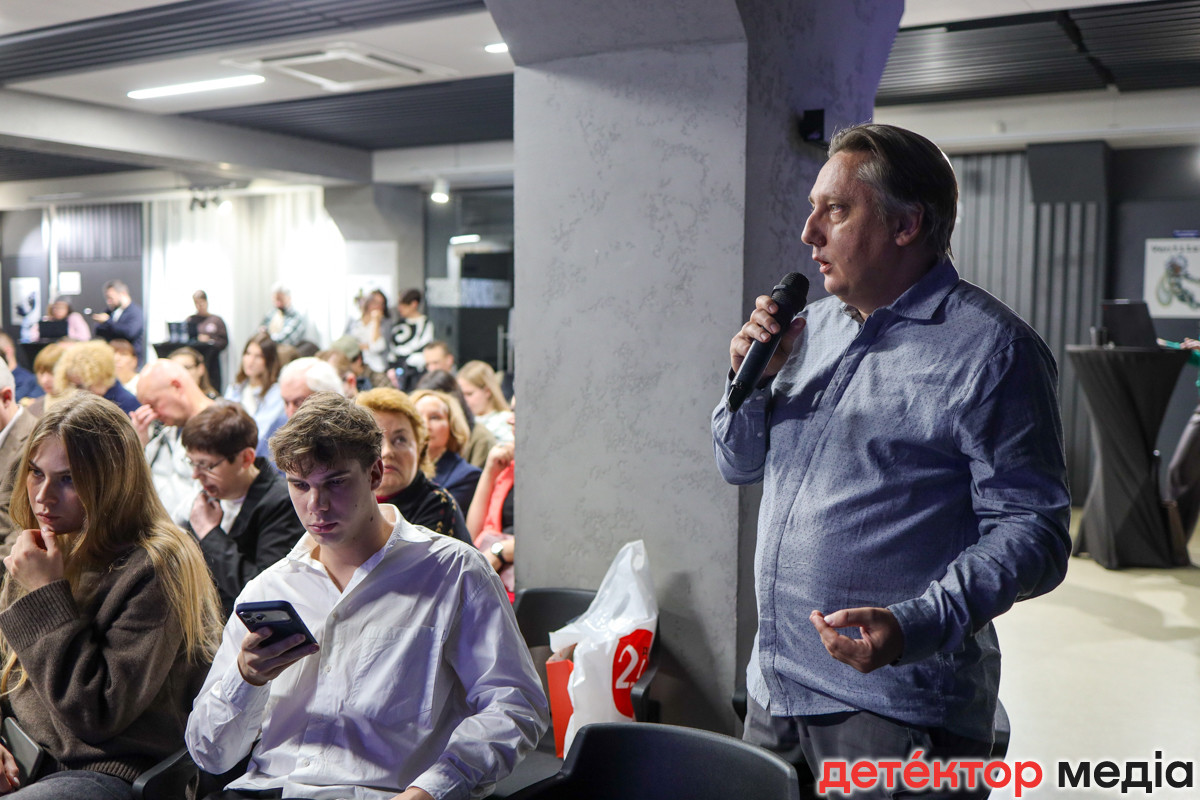
Vladyslav Holovin
Andrii Shevchenko raised the issue of returning the remains of prominent Ukrainian figures to their homeland and creating a national pantheon. He turned to Volodymyr Viatrovych, a member of parliament, recalling his role in the processes related to the reburial of Andrii Melnyk and Yevhen Konovalets. According to the moderator, the return of Konovalets was better received by the public than the case of Melnyk, which sparked considerable debate and questions about whether such a decision was appropriate.
Volodymyr Viatrovych agreed that the public needed more explanation of the significance of these initiatives. In the MP's view, there had been insufficient communication explaining why this mattered and why it was important to do it now.
He also addressed journalists regarding their coverage of conflicts between Ukraine and Poland over historical events and figures.
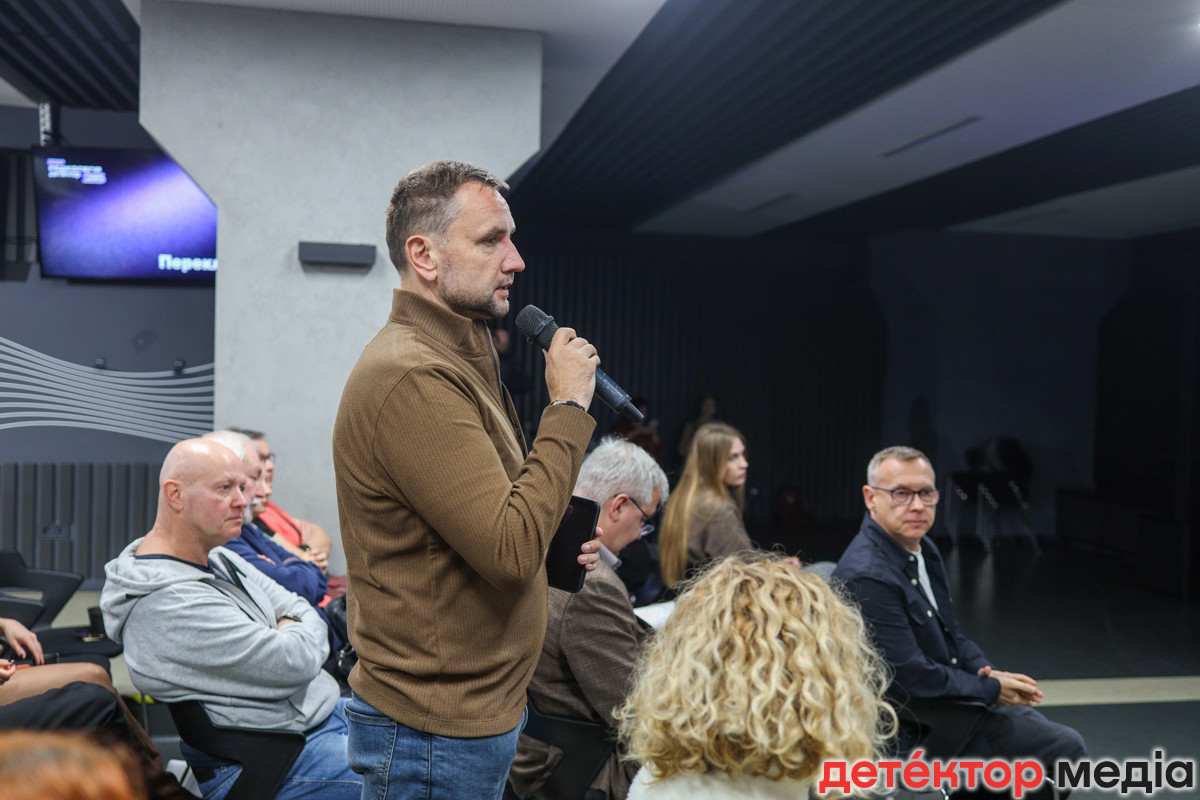
Volodymyr Viatrovych
“Sometimes this desire to find some kind of balance distorts the real situation, I think. Journalists often approach me to discuss what is happening between Ukraine and Poland. When I start explaining the escalation from the Polish side, they say: ‘Yes, but we also did something wrong, didn't we?’ And it is always the same. This is a normal position for a conscientious person. But in reality, it is reminiscent of a domestic violence victim trying to understand: what did I do wrong to get beaten again?” the MP said.
According to him, Poland has realized that this issue can be used to create a certain political “scandal” that brings political dividends. Thus, politics and history are closely intertwined.
Andrii Dikhtiarenko, editor-in-chief of Realna Hazeta and a host on Suspilne, joined the conversation. He responded to Volodymyr Viatrovych's remarks about journalists asking, “Perhaps we did something wrong?” In his view, the media must remain a platform for debate and represent different positions, both within Ukrainian society and beyond its borders.
“If the media stop doing this, the segment of society that disagrees with the position that ‘Shukhevych was a good person’ will simply stop paying attention to the media altogether and turn instead to the very sources from which the people in Petropavlivska Borshchahivka eventually emerge. Nobody can tell whether this is organic or not.
For someone who has lived under the influence of different propaganda in Ukraine for decades to listen to a discussion about problems with Poland, it cannot be enough to hear only the position that we consider Shukhevych a hero. This is precisely what allows that person to change their opinion in a more organic way.”
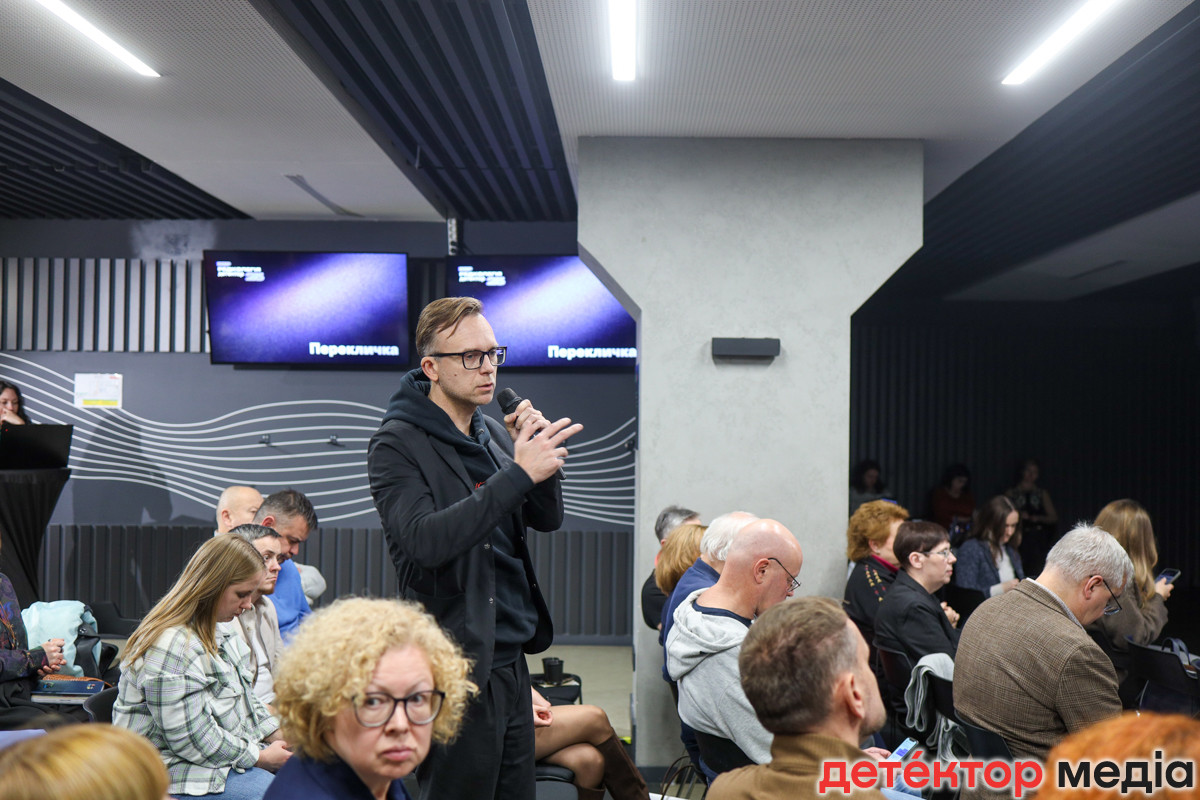
Andrii Dikhtiarenko
“And now let me speak as a representative of a regional media outlet. I think it may be a little too late for regional media to invest in business development, because the business model in general is dying as a result of the war. Attracting advertising will be extremely difficult now. We need to work with communities, donations and so on. That will probably be a more productive approach,” Andrii Dikhtiarenko said.
After the discussion, two traditional solo presentations took place as part of the Editorial Board meeting.
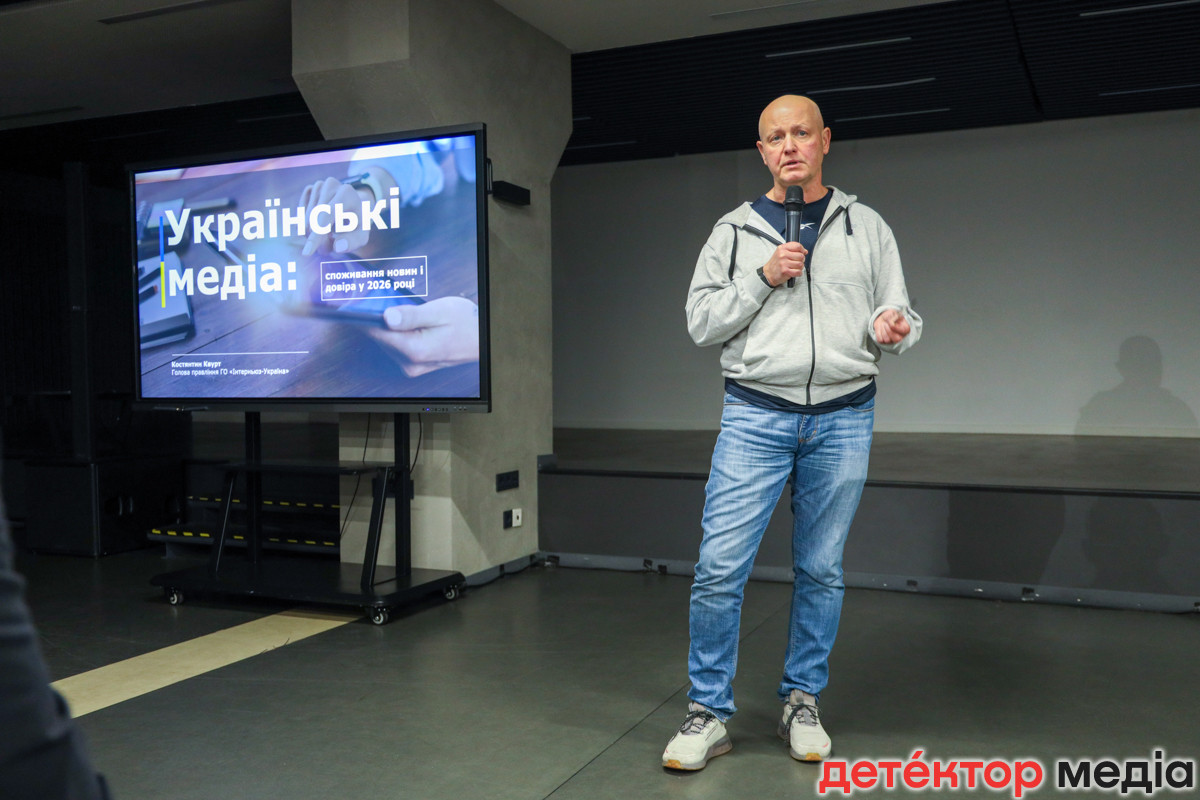
Kostiantyn Kvurt
Kostiantyn Kvurt, chairman of the board of Internews Ukraine, announced the upcoming publication of a national study titled Ukrainian media: news consumption and trust in 2026, which was presented the following day at Media Center Ukraine.
“For the second consecutive year, we at Internews Ukraine have been conducting this study. We took over the initiative from the Media Program in Ukraine, which was previously funded by the United States Agency for International Development (USAID). What did we notice this year? We asked our target audiences about Threads, and it turns out they use it quite a lot. YouTube usage has increased significantly,” Kvurt said. He also noted a decline in the number of people who would support regulating Telegram, as well as in the number of those who use fact-checking tools.
The moderator, Andrii Shevchenko, then gave the floor to Nataliia Lygachova, editor-in-chief of Detector Media, for a special session dedicated to the publication's 25th anniversary.
In her presentation, Nataliia Lygachova shared the lessons she had learned over the 25 years since the founding of Telekrytyka, now Detector Media.
- The audience comes not only for information, but also for an author’s perspective.
- A critic must be close enough to the media community to be trusted, yet independent enough to be able to criticise it.
- Criticism should aim to bring about change, not to derive satisfaction from humiliating others.
- A critic earns trust by being willing to criticise themselves.
- Independence begins with the ability to say “no” to owners, investors and donors.
- The true capital of a media outlet is not its brand, but its people, reputation and principles.
- Can watchdog media be commercially successful?
- Keep up with the spirit of the times, evolve, but never lose yourself.
An author’s perspective can become the foundation for an entire media outlet. Media-critical commentary is not simply a review of the media or an analysis of professional journalistic standards. It is an attempt to understand what exactly the media tell us about society, what processes they reflect, what they conceal, what meanings they create, and how they influence our perception of reality. Criticism requires expertise, the trust of the media audience and, at the same time, independence from that audience and its snobbery. Criticism should aim to bring about change, not to humiliate. The best pieces are born out of the feeling that “I cannot remain silent.” One must always acknowledge mistakes and be ready for discussion. The independence of editorial policy means being able to say “no” to owners, investors and donors.
Olha Yurkova
Can watchdog media be commercially successful under the conditions we face? Nataliia Lygachova does not yet have an optimistic answer. But in theory, there are various models. One option is a community of readers willing to pay regularly for independent content. Such media could be funded by professional associations, for example, advertisers’ associations or organisations such as the Industrial Television Committee (ITC). Other models of public funding are also possible. But putting them into practice requires a whole range of conditions, including specially trained people who know how to work with such models.
“Our current path is grant funding. We understand that this is not the best option for the long-term development of a media outlet. But for now, it allows us to implement a significant share of our projects that are important to society. At the same time, project-based donor funding has serious drawbacks. Instead of developing a coherent editorial concept, you start adapting to different projects, sometimes losing important elements of your own media ecosystem along the way. What you end up with is something like a ‘patchwork quilt’,” she says.
In her view, donor funding can help media outlets survive and develop, but it does not, in itself, create a sustainable media institution. That requires a long-term strategy, not merely successfully writing yet another grant application.
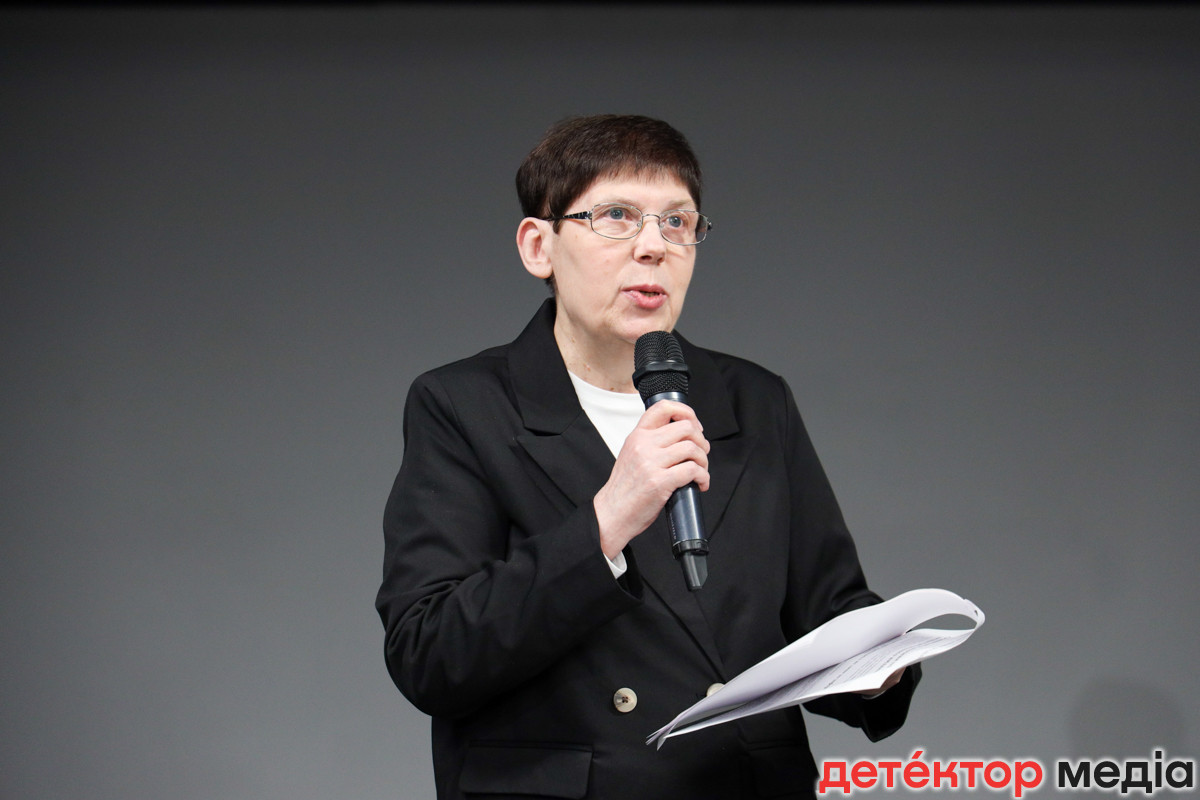
Nataliia Lygachova: “In 2016, we lost the Telekrytyka brand, which we had spent a decade and a half building. And we created Detector Media. This is a lesson that an organisation’s true value lies not in its name, website or recognisability, but in its people, reputation and the principles they are willing to defend.”
“Perhaps the main lesson I have learned from this whole story is that independent media do not begin with a business plan, a grant or even a newsroom. They begin with a position. With the desire to change something, the willingness to take responsibility for one’s own words, and the understanding that audience trust is capital that takes a very long time to accumulate and can be lost very quickly. And one more thing: no institution can exist solely on the strength of its history. It must constantly prove that it is needed today. Not ten or twenty years ago, but right now. That is why, for me, the story of Telekrytyka and Detector Media is not so much about how we created a particular publication. It is about how to preserve the meaning of what you do despite all the changes taking place around you,” Nataliia Lygachova concluded.
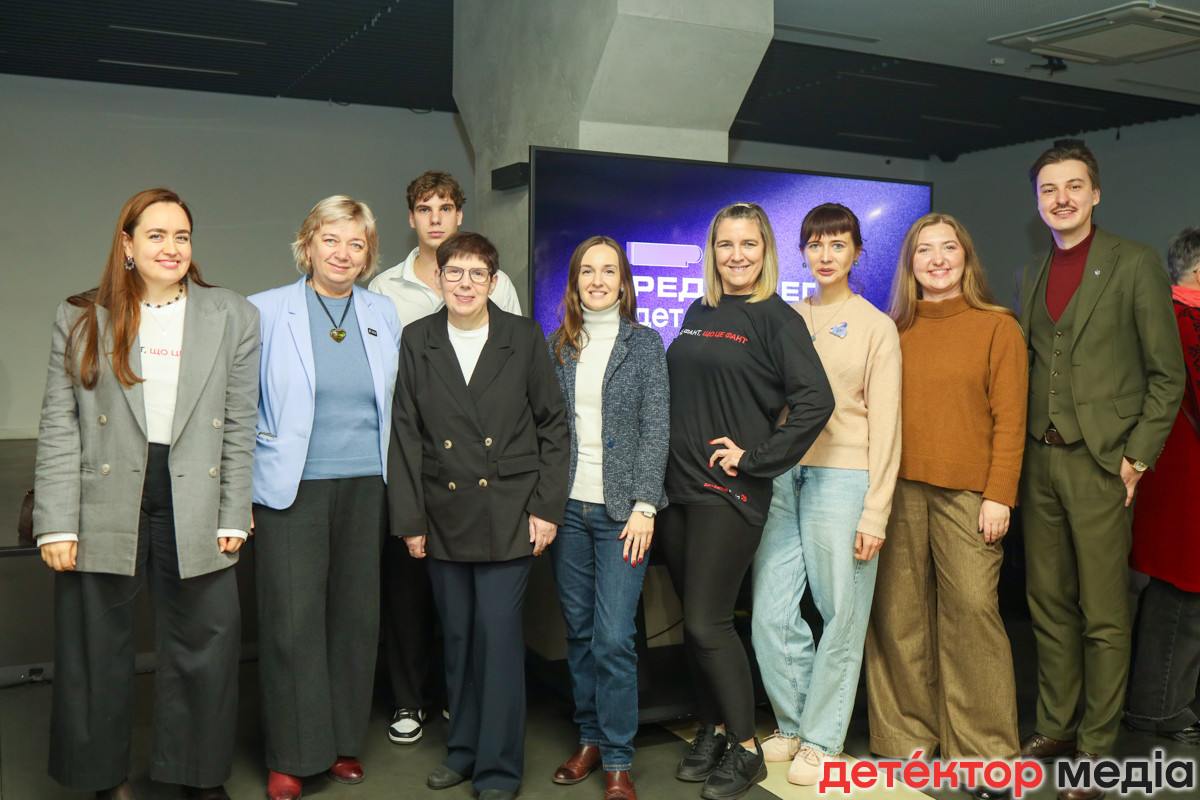
Nataliia Movshovych, Deputy Minister of Culture, and the Detector Media team
Photo: Ihor Vasyliev